

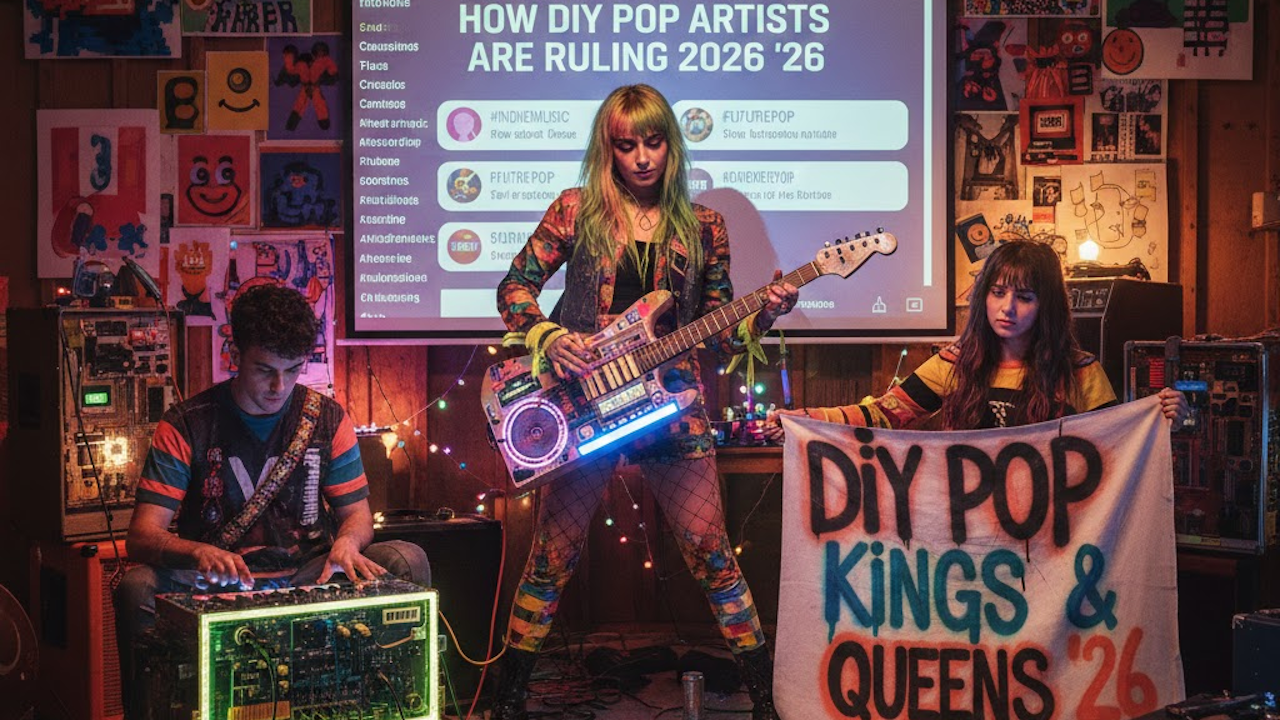
In 2026, pop music belongs to the do it yourself creators. These independent artists have taken charge of their careers through ingenuity, technology, and a direct bond with listeners. They no longer wait for label approval, radio adds, or industry gatekeepers. Instead, they record in home spaces, grow audiences on social platforms, and earn income on their own terms. The outcome is a pop world that feels fresher, more varied, and more alive than it has in decades.
Evidence of this shift appears across charts, stages, and cultural conversations. Many top streaming tracks come from artists who manage writing, production, visuals, and promotion themselves. Festival lineups highlight self made talents who built followings from scratch. Fans attend shows by performers whose journeys began with a laptop and a simple upload. This is no longer a fringe story. It is the central narrative of pop music right now.
Multiple forces converged to create this moment. Affordable technology removed old barriers to entry. Social platforms replaced traditional discovery systems. New economic models reward artists who connect straight to their communities. Together these changes allow creators to succeed without intermediaries. The result is a more democratic and dynamic pop landscape.
The Technological Revolution in Home Studios
Professional quality pop music no longer requires a costly recording facility. Digital audio workstations have grown powerful yet approachable. Artists compose, record, edit, and mix complete songs on ordinary laptops. Free or inexpensive plugins deliver effects, virtual instruments, and mastering capabilities once limited to big studios.
Microphones and audio interfaces cost only a few hundred dollars through online shops and flexible payment options. Small rooms can be treated with budget materials or household solutions like blankets and pillows for basic vocal isolation. Countless successful artists started exactly this way, in bedrooms, spare rooms, or even temporary setups.
Remote work expands possibilities further. Artists exchange audio files through cloud services and build tracks across continents. A singer in one region can add layers to a beat made elsewhere. This worldwide exchange speeds up the creative process and brings in influences from many cultures.
Artificial intelligence tools help with repetitive tasks such as audio cleanup, beat suggestions, or stem separation. Many creators treat these tools as assistants rather than replacements. The goal remains human emotion and intent. Technology removes friction so artists can focus on the music that matters to them.
These advances have flattened the starting line. A motivated person with internet access and basic gear can now produce tracks that stand beside major releases in sound quality. The gap between amateur and professional has narrowed significantly.
Viral Discovery Through Social Platforms
Finding new music has moved from controlled radio and television to algorithm powered feeds. TikTok leads as the main entry point for fresh pop talent. Its short video format highlights memorable hooks, clever lyrics, or striking visuals. A brief clip can trigger waves of user made videos that carry a song to millions.
The platform rewards real engagement more than existing fame. An unknown artist with a strong idea can reach vast audiences when people watch, react, and share. This system lets new voices surface quickly. Many current pop hits began as sounds on the app before moving to full streaming platforms.
Other services support the same ecosystem. Instagram supports visual storytelling and personal updates. YouTube hosts complete videos, live performances, and behind the scenes material. X enables quick conversation and trend participation. Artists who post across these spaces build wider awareness.
Content itself has become part of the work. Successful DIY artists share process clips, studio moments, and personal reflections. These posts create stronger ties with listeners. Fans feel involved in the story, which increases loyalty and natural promotion.
This kind of growth often starts without paid ads or major playlists. While some artists later add promotion budgets, the first breakthrough frequently comes from genuine audience response.
Direct Revenue and Career Sustainability
Independence gives artists greater financial oversight. Distribution services place music on every major streaming service while the creator keeps ownership. Royalties arrive directly, although rates per stream stay modest. High volume from viral attention can still produce meaningful earnings across global listeners.
Multiple income sources provide balance. Merchandise sold through personal sites or simple online stores carries strong margins. Limited vinyl runs, clothing drops, and themed accessories create items fans want to own. Many prefer buying straight from the artist to offer support.
Live shows form another key part of the picture. Artists often begin with intimate gatherings or local rooms to gain experience and tighten their community. As crowds grow, they move to larger venues and festivals. Ticket sales and special packages frequently deliver more reliable income than streaming.
Fan supported models add steadiness. Subscription options give supporters early music, private updates, or virtual events. Crowdfunding helps finance albums or tours with direct backing. This approach reduces dependence on advances that usually come with restrictive terms.
Publishing and licensing create extra options. Artists can handle their own publishing or choose selective partners. Placements in ads, shows, or online videos bring occasional larger payments. Some build steady relationships with music supervisors looking for authentic new material.
The DIY path encourages business skills alongside creative ones. Artists who learn these areas tend to build careers that last longer and feel more in their control.
Why Authenticity Wins in 2026 Pop
Audiences today respond to honesty. Many have grown tired of overly polished tracks shaped by committees and market testing. DIY artists offer personal stories, unfiltered feelings, and sonic choices that feel immediate and real.
Songwriting often reflects actual life. Subjects such as mental health, identity, relationships, and the pressures of constant connection land with force because they come from experience rather than calculation. Without layers of revision, the original voice stays intact.
Production styles range widely. Some tracks stay sparse to spotlight vocals and lyrics. Others build rich layers of synths, samples, and rhythms. Genre lines soften as artists combine pop with electronic textures, R and B grooves, folk elements, or sounds from around the world. This mix mirrors how young listeners actually experience culture.
Visual work matches the music. Many DIY artists shape or direct their own videos, photos, and artwork. The complete package feels consistent and personal. Fans connect with the world the artist has built, not just the songs.
This openness creates stronger loyalty. Supporters actively promote the music and defend the artist because the connection feels mutual. The story of building something from the ground up adds inspiration. In contrast to distant, heavily managed figures, DIY creators often share both struggles and progress.
Illustrative Journeys of DIY Pop Stars
Real examples show how these elements combine in practice. One artist from a quiet Midwestern town began by posting short vocal ideas over self made beats. The songs explored personal themes of uncertainty and hope. A single track about nighttime drives gained momentum through viewer videos that captured emotional responses. Streams climbed rapidly into the millions. The artist chose to stay independent for the first releases, handling production, artwork, and early promotion alone. By 2026 the project had grown into headline tours across several continents and prominent festival slots. Consistent sharing and direct replies to early fans helped turn casual listeners into a committed community.
A second story involves two friends in a northern English city who started making music while at university. They used basic software and shared gear to create upbeat yet thoughtful pop songs. Early tracks posted on smaller platforms attracted a modest audience. A lighthearted video using one of their songs sparked wider attention on a short form platform. They managed their own visuals, editing, and outreach. When outside interest grew, they negotiated terms that preserved important rights. In 2026 their follow up album performed strongly on independent charts, and they now organize stages at festivals to showcase other emerging independent acts.
A third path highlights reach beyond one region. An artist in Southeast Asia released tracks that blended local rhythmic influences with clear pop melodies and switched between languages. Emotional delivery and memorable hooks allowed the music to travel. Users from many countries created content around the songs, driving international streams without initial label support. The artist coordinated a small group of freelancers for visuals and planning while keeping final decisions in house. By the middle of 2026 several tracks ranked among global pop leaders. This case shows how digital tools let creators cross borders and languages on their own schedule.
These journeys share patterns. Early persistence through quiet periods, smart use of free platforms, and focus on real interaction with the first supporters all played roles. Each artist took creative chances because they controlled the process. Success arrived through adaptation rather than a single lucky break.
How Traditional Labels Are Responding
Major labels watch these developments and adjust their approaches. Many now look for artists who have already shown demand through streams and social activity. Offers frequently take the form of distribution support, marketing help, or collaborative arrangements that leave more ownership with the creator.
Some labels create lighter partnerships or work with independent focused divisions. Artists can gain access to wider promotion while keeping control of their recordings. This middle path reduces risk for the label and expands reach for the artist.
At the same time, many DIY acts continue without these deals. They assemble their own teams of independent publicists, managers, and advisors for specific projects. A growing network of small agencies and freelancers serves this market specifically. For artists who value full autonomy, this route remains viable and often preferable.
The relationship between artists and labels has changed. Creators now enter discussions with data on their audience and earnings. Attractive terms have become necessary to compete with the option of staying independent.
Navigating Challenges in the Independent Path
The DIY route brings real difficulties alongside its freedoms. Content volume is high, so standing out requires ongoing creativity and adaptation. Platform rules can shift suddenly and affect visibility. Artists must remain flexible and spread their presence across several spaces.
Constant output can lead to exhaustion. Producing both music and regular posts takes energy. Many creators set limits, plan content in batches, or step back periodically. Peer groups, mental health resources, and shared advice help ease the load.
Not every aspiring artist has equal starting conditions. Reliable internet, quiet recording space, and initial gear costs still create uneven access. Efforts to provide grants, shared equipment programs, and education aim to reduce these gaps, yet differences remain.
Business knowledge matters greatly. Contracts, royalties, taxes, and rights require attention or outside help. Artists often learn through experience or from mentors and online resources. Open discussion within the community spreads practical information.
Despite obstacles, the independent scene supports collective problem solving. Forums, group chats, and events allow creators to exchange tips on gear, promotion, and contracts. This shared knowledge strengthens everyone involved.
The Wider Influence on Pop Culture
The growth of DIY pop affects more than music alone. It changes expectations around authenticity in entertainment. Other fields see increased interest in creator led projects that feel personal rather than manufactured.
Representation expands as entry barriers drop. Artists from different regions, identities, and life experiences bring distinct viewpoints into the mainstream. Pop reflects a broader range of realities instead of a narrow template.
Songs often address topics that matter to listeners, including emotional struggles, identity, and shared global concerns. Because these tracks come from personal places, they can start conversations and build understanding across audiences.
Young people gain visible models of creative careers. Seeing others succeed by sharing work directly encourages more individuals to learn production, post music, and develop their own paths. Online learning communities and local scenes grow in response.
Economically, the model supports a larger number of working musicians. While massive stardom stays uncommon, more artists sustain themselves through varied income sources. This activity keeps the overall music culture active and varied.
Looking Forward in the DIY Pop Era
The direction ahead points to continued strength for independent creators. New tools will likely make production and distribution even more accessible. Yet the essentials of compelling songs, consistent effort, and genuine connection with listeners will stay central.
Pop in this period highlights individual voices supported by collective digital resources. It values experimentation and honesty. Listeners receive a steady supply of new sounds and perspectives.
For anyone hoping to participate, the steps are straightforward. Begin making music. Share it regularly. Respond to people who connect with it. Build relationships over time. The necessary tools are widely available. An audience exists for authentic work. The main requirement is the decision to start and keep going.
DIY pop artists are not simply occupying space in 2026. They are reshaping what pop music means. Their approach shows that creativity combined with direct effort can reach large audiences and build lasting careers. This model reflects a larger movement toward creator control in the digital world. As long as technology supports sharing and listeners value real expression, independent voices will continue to lead.