

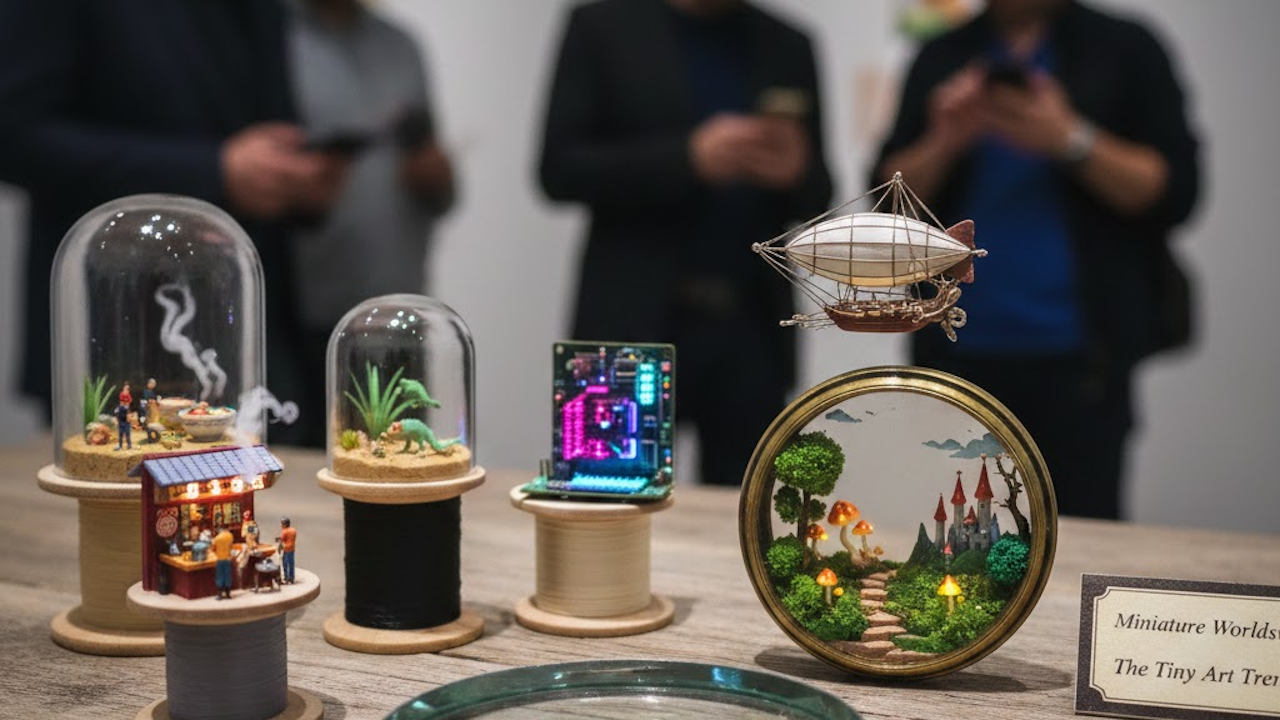
The Rise of Miniature Art
Miniature art has a rich history that can be traced back to ancient civilizations, where artisans meticulously created small-scale representations for both decorative and functional purposes. In cultures such as ancient Egypt and China, miniature objects were often made for religious rituals or as personal items, holding significant cultural importance. During the medieval period, miniature painting gained prominence, particularly in illuminated manuscripts. Skilled artists employed intricate techniques, utilizing finely ground pigments, gold leaf, and precise brushwork to create detailed, small-scale works that embodied both artistry and storytelling.
As we moved into the Renaissance, the appreciation for miniature art flourished further. Artists such as Hans Holbein the Younger produced exquisite miniature portraits that captured not only physical likeness but also the essence of the subject. These artworks became prized possessions among nobility, symbolizing status and sophistication. The 18th and 19th centuries also saw the proliferation of miniature art, especially through the popularity of portrait miniatures. This period marked significant advancements in techniques and materials, with the introduction of watercolor and ivory, allowing for greater detailing and a broader range of expressions.
In recent years, the advent of modern technology has revolutionized miniature art, making it more accessible to a wider audience. With the rise of digital tools, artists now explore innovative methods in creating miniatures, from 3D printing to intricate digital designs. Social media platforms have also played a crucial role in the resurgence of this art form, allowing artists to showcase their work to a global audience and connect with like-minded enthusiasts. Notable artists, such as miniature sculptor Willard Wigan and designer John Malkovich, have captivated audiences with their unique approaches, further embedding miniature art within contemporary culture. As this art form continues to evolve, its enduring appeal and significance are clearly evident, fostering a renewed interest and appreciation for the meticulous craftsmanship involved in miniature works.
Techniques and Materials for Miniature Art Creation
The creation of miniature art involves a meticulous selection of techniques and materials that enhance the intricate nature of these tiny worlds. Among the most popular mediums used by artists is polymer clay, renowned for its versatility and ease of molding. This material can be shaped and cured to create detailed miniature figures and landscapes, allowing artists to explore various textures and finishes. When properly baked, polymer clay retains its form and durability, making it ideal for miniature projects. Additionally, artists often use resin, a favorite for creating small-scale water features and glass-like elements in their dioramas. Resin casting enables the production of stunning clarity and depth, which contributes significantly to the realism of miniature settings.
Diorama construction is another crucial technique in miniature art, where artists assemble multi-dimensional scenes that tell a story or capture a moment in time. By combining different materials such as cardboard, wood, and natural elements like moss or pebbles, artists can create lifelike environments at a small scale. This interplay of various materials not only enhances the visual appeal but also allows for diverse artistic expressions.
Essential tools for miniature art creation include precision knives, sculpting tools, and fine paintbrushes, which aid in achieving the detailed features characteristic of small-scale works. Techniques such as dry brushing and layering can be employed to add depth and texture to miniatures. However, the process does come with its challenges; working in a confined space often requires immense patience and concentration. Artists must develop fine motor skills and a keen eye for detail to overcome the difficulties posed by the miniature scale. Through practice and innovative approaches, artists continue to push the boundaries of what can be achieved in this captivating art form.
Thematic Explorations in Miniature Worlds
Miniature art provides a unique canvas for artists to express diverse themes that resonate with audiences. One prevalent theme is the depiction of everyday life scenarios, where artists recreate familiar settings that evoke a sense of nostalgia. These tiny environments often reflect mundane activities, such as cooking in a miniature kitchen or children playing in a small park. Through intricate details, these creations allow viewers to connect with their own experiences, prompting reflection on the simplicity and beauty of daily life.
In contrast, miniature art also ventures into the realm of fantasy and the imaginative. Artists design whimsical worlds filled with mythical creatures, enchanted forests, and surreal landscapes. This thematic exploration transports viewers to places far removed from reality, igniting curiosity and wonder. Exhibitions showcasing such fantastical creations often invite audiences to engage with the art on a personal level, encouraging them to interpret narratives and construct their own stories within the tiny realms.
The emotional impact of these miniature worlds cannot be overlooked. Many artists utilize such environments to comment on social issues, addressing themes like isolation, consumerism, or environmental degradation. Through their intimate portrayals, artists prompt discussions surrounding these pressing topics, challenging viewers to reflect on societal norms and behaviors. For example, a diorama showcasing the impact of pollution on a miniature ecosystem can evoke strong feelings about real-world environmental challenges.
Furthermore, themed miniature exhibitions serve as a platform for shared experiences and collective imagination. By presenting art that aligns with specific themes, these exhibitions foster a deeper connection among attendees and encourage engagement through storytelling. The stories conveyed within these miniature landscapes not only captivate audiences but also inspire them to consider their place in the larger narrative of life.
The Future of Miniature Art: Trends and Innovations
The miniature art scene is poised for a transformative evolution, influenced by advances in technology and the creative spirit of contemporary artists. As digital technology, particularly 3D printing and virtual reality (VR), becomes more accessible, its integration into the miniature art realm prompts exciting new possibilities. Artists can now utilize 3D printing to create intricate pieces that were previously labor-intensive or nearly impossible to craft by hand. This technology allows for precise details that elevate the quality of miniature works. Furthermore, VR offers a platform for showcasing these creations in immersive environments, inviting audiences to experience miniature worlds in innovative ways.
Emerging artists are also redefining the boundaries of what miniature art entails. Their works often incorporate diverse themes and mediums, pushing traditional norms. The fusion of miniature art with larger artistic concepts—such as installation and interactive exhibits—has ignited a fresh fascination among art enthusiasts. This dynamic approach not only captivates audiences but also engages them in new narratives that challenge their perceptions of scale and detail. Furthermore, the rise of digital platforms empowers these artists to reach wider audiences, creating online communities focused on miniature artistry.
Social media has proven instrumental in expanding the appreciation of miniature art. Platforms like Instagram and Pinterest provide artists with a means to showcase their work and connect with fellow enthusiasts. These channels have fostered collaborations, leading to projects that blend ideas from various artistic perspectives. As a result, a new generation of miniature art aficionados is emerging, characterized by their desire for community engagement and shared creative experiences. The collective enthusiasm surrounding these miniature worlds encourages innovation, ensuring that the art form continues to evolve.