

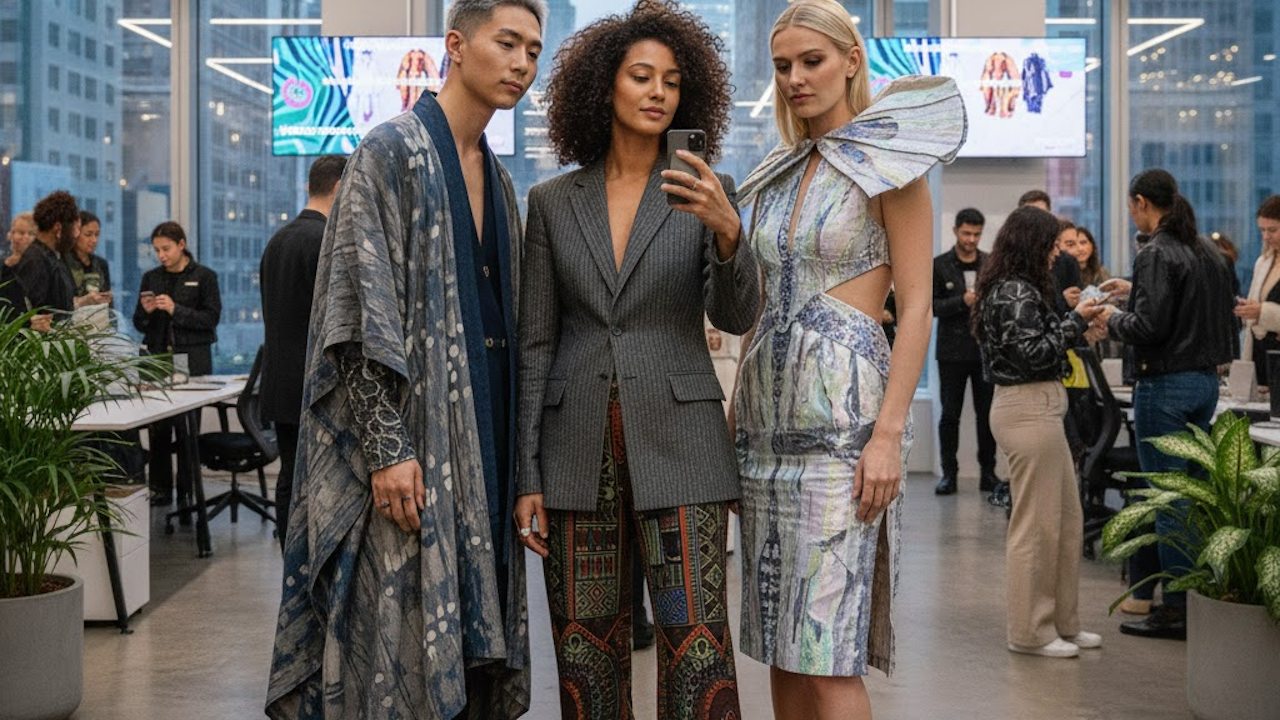
Influencers have become central figures in shaping global fashion trends, transforming how style is created, communicated, and consumed. In the past, designers, magazines, and fashion houses largely dictated what people wore. Today, influencers operating on digital platforms play a decisive role in setting trends that travel instantly across borders. Their impact reaches beyond clothing choices, affecting consumer behavior, brand strategy, and cultural expression worldwide.
One reason influencers hold such power is their accessibility. Unlike traditional fashion icons who often appeared distant and unrelatable, influencers present themselves as ordinary individuals with personal style journeys. Through daily posts, videos, and stories, they invite audiences into their lives and wardrobes. This sense of intimacy builds trust, making followers more receptive to their fashion choices. When an influencer showcases a new outfit or styling technique, it often feels like advice from a friend rather than a marketing message.
Social media platforms have amplified this influence on a global scale. Instagram, TikTok, YouTube, and similar platforms allow fashion content to circulate instantly, reaching millions of viewers regardless of geography. A trend that begins in Seoul, Paris, or Lagos can be adopted worldwide within days. Influencers act as cultural bridges, blending local aesthetics with global appeal. This rapid exchange has led to a more diverse and dynamic fashion landscape, where regional styles gain international visibility.
Influencers also play a key role in democratizing fashion. High fashion was once limited to elite audiences, but influencers reinterpret luxury looks in accessible ways. By mixing designer items with affordable pieces, they show followers how to adapt trends to different budgets. This approach encourages creativity and personal expression rather than strict adherence to runway rules. As a result, fashion becomes more inclusive, allowing individuals from various backgrounds to participate in trend formation.
Brand relationships further strengthen influencer impact. Fashion labels increasingly collaborate with influencers to promote collections and launch new products. These partnerships are effective because influencers understand their audiences and know how to present items authentically. A successful collaboration can elevate a brand’s image and drive sales while also shaping seasonal trends. In some cases, influencers even co design collections, directly contributing to the creative process and blurring the line between consumer and creator.
Another important aspect of influencer driven fashion is the shift toward niche communities. Instead of one dominant trend, multiple micro trends now coexist. Influencers often specialize in specific aesthetics such as minimalism, streetwear, vintage fashion, or sustainable style. These focused identities attract dedicated followings and allow trends to flourish within distinct communities. Over time, popular micro trends can break into mainstream fashion, demonstrating how influence flows from smaller groups to the broader market.
Sustainability and ethics have also gained prominence through influencer advocacy. Many fashion influencers use their platforms to promote responsible consumption, second hand shopping, and eco friendly brands. By highlighting the environmental and social impact of fashion, they encourage followers to think more critically about their purchases. This has pressured brands to adopt more transparent and sustainable practices, showing that influencer power can extend beyond aesthetics to meaningful change.
Despite their positive impact, influencers also face criticism. The fast pace of trend cycles can contribute to overconsumption and waste. Some followers may feel pressure to constantly update their wardrobes to keep up with new looks. Additionally, the commercial nature of influencer content can blur authenticity when sponsorships are not clearly disclosed. These challenges highlight the need for ethical responsibility from both influencers and brands.
Looking ahead, influencers are likely to remain key players in global fashion. As technology evolves, new platforms and formats will offer fresh ways to showcase style. Virtual influencers, digital fashion, and augmented reality experiences are already emerging, expanding the definition of influence. What remains constant is the human desire for inspiration and connection, which influencers continue to provide through storytelling and visual creativity.
In conclusion, influencers have reshaped the global fashion industry by making trends more accessible, diverse, and interactive. They connect cultures, democratize style, and influence both consumer choices and brand strategies. While challenges exist, their role in shaping modern fashion is undeniable. In a world driven by digital connection, influencers stand at the forefront of how fashion trends are created and shared across the globe.