

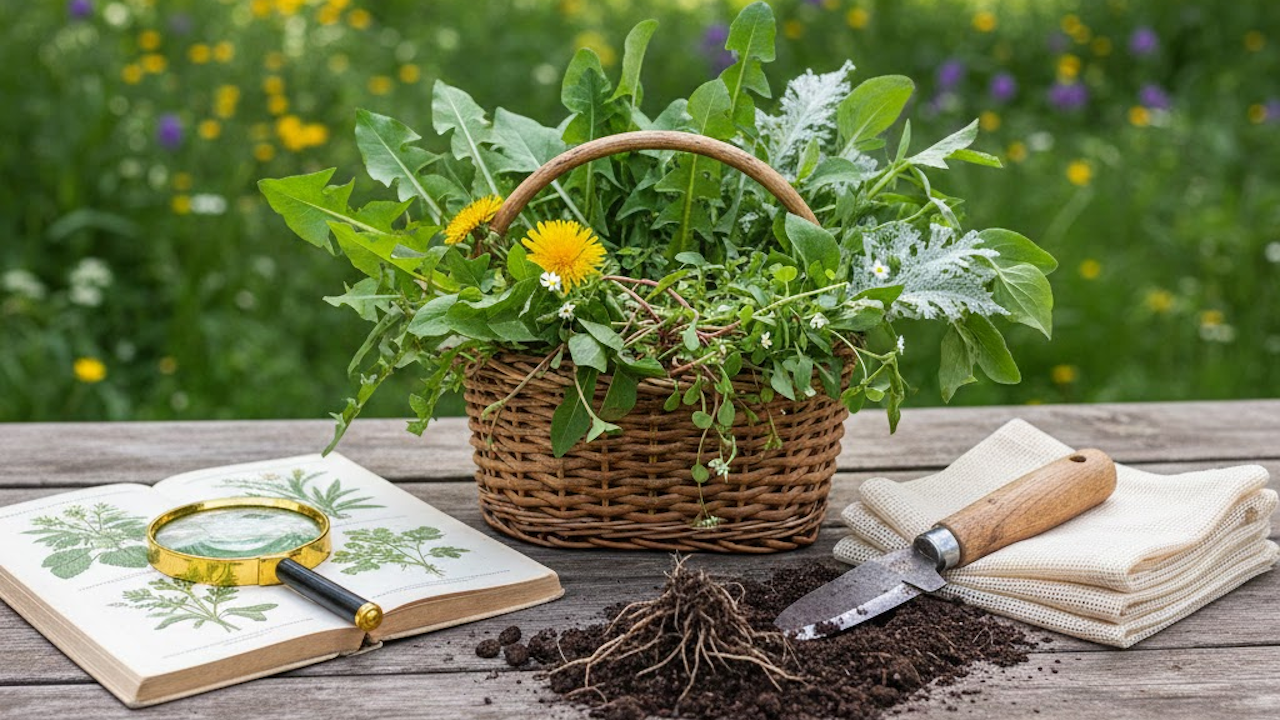
In a time of rising grocery prices and growing interest in fresh, chemical-free food, many homeowners are discovering an unexpected resource just steps from their kitchen. Your backyard, lawn edges, garden borders, and even compacted soil patches often host a surprising variety of edible plants. These plants, frequently labeled as weeds, grow without any effort on your part. They offer vitamins, minerals, and flavors that rival or exceed many store-bought vegetables.
This guide provides a thorough look at how to safely and sustainably find, identify, harvest, and prepare free food from your own property. It covers the most common and reliable edible plants found in temperate backyards across much of North America and similar climates, along with practical tips, seasonal timing, simple recipes, and important precautions. Backyard foraging connects you to the land, reduces food waste, helps manage invasive species, and delivers some of the freshest produce possible.
Important Disclaimer This article is for educational and informational purposes only. Positive identification of any plant is essential before consumption. Many edible plants have toxic lookalikes, and individual reactions vary. Always consult a qualified expert, local foraging group, or reliable field guide for confirmation in your specific area. Start with very small amounts of any new plant to check for allergies or sensitivities. If you are pregnant, nursing, taking medications, or have health conditions, consult a healthcare professional before eating wild plants. Never consume plants from areas treated with pesticides, herbicides, fertilizers, or near roadsides, septic systems, or pet waste zones. The author and publisher assume no responsibility for any adverse effects from the use of this information.
Why Forage in Your Own Backyard? Backyard foraging turns routine weeding or yard maintenance into productive harvesting. Many common “weeds” are actually highly nutritious. For example, lamb’s quarters often contains three times the calcium and at least twice the other key nutrients found in spinach. Purslane stands out as one of the highest vegetable sources of heart-healthy omega-3 fatty acids. Dandelion greens deliver generous amounts of vitamins A, C, and K along with minerals and antioxidants.
These plants grow naturally in disturbed soil, require no watering or fertilizing once established, and often appear in abundance. Harvesting them reduces the need for store-bought greens, cuts down on food miles, and helps control aggressive species like garlic mustard that can crowd out other plants. Children and adults alike enjoy the hands-on learning experience of identifying and tasting what nature provides for free. Many foragers report improved digestion and a deeper appreciation for seasonal eating after incorporating wild greens regularly.
Safety Rules You Must Follow Safety comes first in any foraging activity. Follow these non-negotiable guidelines every time:
Only harvest plants you can identify with 100 percent certainty. If there is any doubt, do not eat it. Use multiple identification features including leaf shape and arrangement, stem characteristics, flower structure, smell, and growth habit. Cross-reference at least two reliable sources.
Harvest only from clean, untreated areas on your own property. Avoid spots where chemicals may have been used, where dogs or wildlife frequent, or near driveways and foundations that might collect runoff. Wash all harvested material thoroughly in several changes of cold water.
Begin slowly. Taste a tiny piece of a new plant and wait at least 15 to 30 minutes before consuming more. Increase quantities gradually over several days. Some plants contain oxalic acid or other compounds that are best eaten in moderation, especially for people with kidney concerns.
Harvest sustainably. Take only what you need and leave enough plants to continue growing and providing for local wildlife and pollinators. Perennial plants like dandelion and dock regrow from roots, while annuals like chickweed benefit from early harvesting before they set seed excessively.
Learn about lookalikes in your region. For instance, true dandelions have smooth, hairless leaves and hollow stems, while similar-looking plants like cat’s ear have rougher leaves and solid stems. Positive identification prevents mistakes.
Consider joining a local foraging walk, master gardener program, or native plant society for hands-on learning. Apps can help with initial suggestions but should never be the sole source of identification.
Getting Started in Your Backyard Walk your property at different times of day and across seasons. Note where plants appear: sunny lawn edges, shady garden corners, along fences, or in compacted soil near paths. Disturbed ground often hosts the greatest variety.
Invest in a few good resources. Field guides specific to your region, such as those by Sam Thayer or local extension service publications, provide detailed photos and descriptions. A simple basket, sharp scissors or a knife, and a notebook for recording observations are useful basic tools. Gloves help with prickly or sap-producing plants.
Observe growth patterns. Many edibles thrive in the cooler months of spring and fall when they are most tender. Summer heat often makes leaves tougher or more bitter. Regular observation teaches you the best harvest windows without guesswork.
Common Edible Plants Found in Most Backyards
Dandelion (Taraxacum officinale) This familiar plant with bright yellow flowers and deeply lobed leaves is one of the most widespread and useful backyard edibles. Every part is edible. Young leaves picked from the center of the rosette offer a tangy, slightly bitter flavor excellent in salads or cooked dishes. The sunny flowers add color and mild sweetness when eaten raw or battered. The long taproot can be dug, cleaned, chopped, roasted, and ground as a coffee substitute with a rich, earthy taste.
Dandelions appear early in spring and continue into fall. They prefer full sun and tolerate poor soil. Harvest leaves before the plant flowers for the mildest flavor. Flowers are best when fully open but not yet going to seed. Roots are easiest to dig after rain softens the ground.
Nutrition is impressive, with high levels of vitamins and minerals plus traditional use supporting liver and digestive health. Cooking or blanching reduces bitterness. Lookalikes such as cat’s ear are also edible but have different leaf texture. Avoid plants near treated lawns.
Purslane (Portulaca oleracea) This low-growing succulent with thick, reddish stems and small, paddle-shaped leaves thrives in hot, sunny spots and moist garden soil during summer. It has a pleasant, slightly lemony or nutty taste reminiscent of spinach mixed with okra. Both leaves and stems are edible raw or cooked.
Purslane spreads quickly in warm weather and is often pulled as a weed. Harvest young, tender tips for best texture and flavor. It is loaded with iron, vitamins B, C, and E, beta-carotene, and stands out for its high omega-3 content. Use it in salads, stir-fries, soups, or even pickle it for longer storage. It wilts quickly after picking, so use it fresh or refrigerate promptly. No major toxic lookalikes exist in most backyards, making it beginner-friendly.
Chickweed (Stellaria media) Chickweed forms low, bright green mats with tiny white star-shaped flowers and paired leaves along thin stems. It appears in cool, moist, shady areas during spring and fall. The flavor is mild and slightly sweet, making it an excellent salad green or addition to sandwiches and smoothies.
Harvest the top few inches of stems and leaves while plants are young and lush. Chickweed is rich in phosphorus, calcium, and iron. It also has traditional topical uses for minor skin irritations when made into a poultice or salve. A close relative, mouse-eared chickweed, has fuzzier leaves and is best cooked. Chickweed pesto is a popular preparation that preserves its fresh taste.
Lamb’s Quarters (Chenopodium album) Also known as goosefoot or fat hen, this upright plant has triangular to diamond-shaped leaves with a white, powdery coating on the undersides, especially when young. It tastes similar to spinach but often more tender and mild. Young leaves and shoots can be eaten raw in salads, while older leaves are best lightly cooked.
Lamb’s quarters grows abundantly in sunny, disturbed soil throughout the growing season. It is exceptionally nutritious, often surpassing spinach in calcium and other minerals. The seeds can be harvested later in the season, winnowed, and cooked like a grain similar to quinoa. Dry and burn the leaves for a mineral-rich ash sometimes used as a salt substitute. This plant bio-accumulates minerals from the soil, which contributes to its nutritional density.
Common Plantain (Plantago major) Broad, oval leaves with prominent parallel veins grow in low rosettes, often in compacted soil along paths or lawn edges. Young leaves are edible raw or cooked and have a mild, slightly bitter flavor that works well as a spinach substitute. Older leaves become tough and stringy but can still be used in cooked dishes or made into chips.
Plantain appears from spring through fall. It is very common and easy to identify by its leaf veins and the tall seed stalks that develop later. It has a long history of medicinal use for minor wounds and insect bites when crushed and applied topically. Nutritionally it provides vitamins and minerals typical of dark leafy greens.
Curly Dock (Rumex crispus) and Related Docks These plants feature long, wavy-edged leaves and tall seed stalks. Young leaves have a pleasant sour or lemony tang similar to sorrel. They can be eaten raw in small quantities or cooked to mellow the flavor. The seeds can be ground into flour for baking.
Dock prefers moist to average soil and full to partial sun. It is a perennial with a deep taproot, so harvesting leaves does not kill the plant. Oxalic acid content means moderation is wise, especially for those prone to kidney stones. Leaves are best in spring and early summer before they become too tough.
Clover (Trifolium species, especially white and red clover) Clover carpets many lawns with its characteristic three-leaflets and rounded flower heads. Both leaves and flowers are edible. Young leaves add mild flavor to salads, while the flowers make a sweet, pleasant tea or can be battered and fried. Dried and ground flowers add subtle flavor and color to baked goods.
Clover fixes nitrogen in the soil, benefiting surrounding plants. It blooms from spring into fall and attracts pollinators. Harvest flowers when fully open for tea or culinary use. It is generally safe and widely available in backyards.
Garlic Mustard (Alliaria petiolata) This biennial invasive plant has heart-shaped, toothed leaves and a distinct garlic-and-mustard scent when crushed. First-year rosettes and second-year leaves before flowering are edible and add pungent flavor to pestos, salads, and cooked dishes. It is highly invasive in many regions, so harvesting it helps control its spread.
Garlic mustard appears in shady to partially sunny areas. Cook it to improve flavor and reduce certain compounds. Some sources note varying levels of natural compounds, so eat in moderation and confirm current guidance. Its strong aroma makes identification straightforward once you learn the smell test.
Seasonal Foraging Calendar Spring brings the first tender dandelion leaves and flowers, chickweed mats, garlic mustard rosettes, and violets. These cool-season greens are at their sweetest before summer heat.
Summer shifts focus to heat-loving plants like purslane, lamb’s quarters, plantain, and dock. Many become stronger flavored, so cooking or mixing with milder ingredients helps. Watch for any wild berries or fruit from neglected trees or brambles on your property.
Fall offers second flushes of many greens after cooler weather returns, plus roots that can be dug for storage or roasting. Seed heads from dock or lamb’s quarters become harvestable.
Winter foraging is limited in cold climates but may include evergreen needles for tea (with proper identification and caution) or stored roots and preserved items from earlier harvests.
Simple Recipes to Get You Started
Mixed Wild Greens Salad Collect a handful each of young dandelion leaves, chickweed, purslane, and lamb’s quarters. Wash thoroughly. Tear larger leaves into bite-sized pieces. Add sliced cucumber, tomato, or whatever garden vegetables you have. Dress with olive oil, lemon juice or vinegar, a pinch of salt, and optional garlic or herbs. The variety of textures and flavors creates a vibrant, nutrient-dense salad. Start with smaller portions if trying multiple new plants at once.
Sauteed Backyard Greens Heat a little oil or butter in a pan. Add minced garlic or onion if desired. Toss in a generous amount of washed mixed greens (dandelion, dock, lamb’s quarters, plantain). Cook over medium heat just until wilted, a few minutes. Season with salt, pepper, or a splash of soy sauce or vinegar. Serve as a side dish or mix into pasta, eggs, or rice. Cooking mellows bitterness and makes larger quantities easier to eat.
Dandelion Root Coffee Substitute Dig several dandelion roots. Scrub clean, chop into small pieces, and spread on a baking sheet. Roast at 350°F (175°C) until dark brown and fragrant, about 20 to 30 minutes, stirring occasionally. Grind the cooled pieces in a coffee grinder or blender. Brew like regular coffee. The result has a robust, slightly bitter, coffee-like flavor without caffeine. Sweeten or add milk as preferred.
Chickweed or Purslane Pesto In a food processor, combine a large handful of chickweed or purslane, a clove of garlic, a handful of nuts or seeds (walnuts, sunflower seeds), grated hard cheese or nutritional yeast, and olive oil. Blend until smooth, adding more oil as needed for consistency. Season with salt and lemon juice. Use on pasta, sandwiches, eggs, or as a dip. This preserves the fresh flavor and allows you to use abundant summer greens.
Clover or Dandelion Flower Fritters Pick fresh, open flowers and remove any green bases. Make a simple batter with flour, milk or water, egg, salt, and optional herbs or spices. Dip flowers in batter and fry in hot oil until golden. Drain and serve warm with a dipping sauce or as a sweet treat with powdered sugar. The flowers become tender and mildly sweet inside the crispy coating.
Preserving Your Harvest Dry greens like lamb’s quarters or dock for later use in soups or teas by hanging small bundles or using a dehydrator on low heat. Make and freeze pestos in ice cube trays for convenient portions. Pickle purslane stems or unopened dandelion buds in vinegar brine for a tangy condiment. Roots like dandelion or burdock store well in a cool, dark place after cleaning and drying. Experiment with small batches to find what works for your kitchen.
Other Free Foods and Creative Ideas If your backyard includes neglected fruit trees, berry brambles, or nut trees, these can provide additional harvests with minimal care. Pruning and basic maintenance often increase yields dramatically. Some foragers also explore edible flowers from safe plants like violets or clover. Pine or spruce needle tea (properly identified) offers vitamin C in winter, though pregnant individuals should avoid it.
Creative uses extend beyond eating. Plantain leaves make soothing poultices. Many greens can be juiced or added to smoothies for concentrated nutrition. Burning dried mineral-rich leaves produces ash that some traditional cooks use sparingly as a seasoning.
Challenges and Solutions Bitterness in some greens is easily managed by harvesting young growth, mixing with milder plants, or cooking. Tough texture improves with chopping and proper preparation. Limited space is overcome by focusing on edges and paths where plants naturally appear. Lack of confidence grows with practice and repeated positive experiences with easy plants like dandelion and purslane.
Overharvesting is avoided by rotating spots and leaving seed producers. Weather extremes may reduce availability one season but increase it the next as plants adapt. Urban or suburban yards may have fewer species than rural properties, but the common ones discussed here appear almost everywhere.
Transforming Your Backyard Instead of fighting every plant, consider designating certain areas as “wild zones” where edibles can thrive. Reduce or eliminate chemical use to encourage natural growth. Plant additional beneficial species like more clover or edible flowers if desired. Over time, your yard can become a productive, low-maintenance food system that supports biodiversity. Many people find that allowing some “weeds” actually reduces overall maintenance because healthy plant communities crowd out less desirable species.
Conclusion Your backyard holds more free, nutritious food than most people realize. By learning to recognize and responsibly harvest common edible plants such as dandelion, purslane, chickweed, lamb’s quarters, plantain, dock, and clover, you gain access to fresh greens, roots, and flowers throughout much of the year. The process rewards patience and observation with savings, better nutrition, and a satisfying connection to the natural cycles right outside your door.
Begin with one or two easy plants this season. Observe, identify carefully, harvest sustainably, and experiment in the kitchen. Over time you may discover that the line between “weed” and “dinner” is much thinner than you once thought. Responsible backyard foraging offers both practical benefits and a deeper enjoyment of the abundance already growing around you. Start exploring today, and see what delicious discoveries await in your own yard.
Remember to always prioritize safety, verify identifications locally, and enjoy the journey of learning what nature freely provides.