

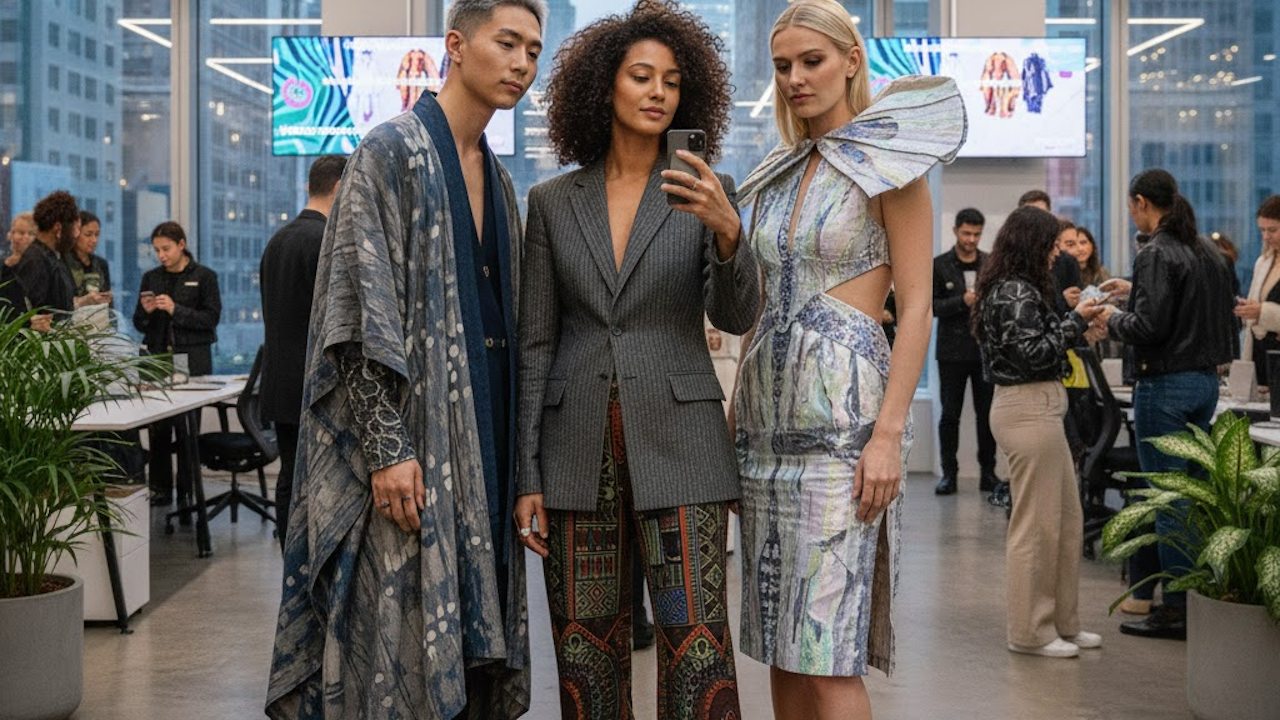
Fashion once flowed from elite runways in Paris, Milan, and New York, filtered through glossy magazines and a handful of celebrities. Today, that hierarchy has flattened dramatically. A single post, reel, or video from an influencer can ignite a worldwide trend within hours, reshaping wardrobes from Lagos to Seoul, São Paulo to Sydney. Social media creators have become the primary drivers of what people wear, how they shop, and what values they associate with clothing. Their combined reach exceeds hundreds of millions, and their influence extends far beyond aesthetics into commerce, culture, and even sustainability debates.
This shift represents a profound democratization of style. Platforms reward authenticity, relatability, and speed over polished perfection. Algorithms amplify content that resonates, allowing trends to spread virally across borders without traditional gatekeepers. By 2025, the broader influencer marketing industry had grown to approximately $32.55 billion, with fashion and beauty consistently ranking among the top niches. Projections for the dedicated fashion influencer marketing segment point to explosive expansion, potentially reaching over $100 billion globally by the early 2030s at compound annual growth rates exceeding 30 percent in some forecasts.
Influencers do not merely reflect trends. They create them, accelerate them, and globalize them at a pace the industry has never seen.
The Evolution from Runway to Real-Time
Traditional fashion influence relied on seasonal collections, celebrity endorsements, and editorial spreads. Designers dictated silhouettes, colors, and themes months in advance. Consumers waited for magazines or store arrivals to adopt looks. Social media dismantled this timeline.
Instagram emerged in the early 2010s as a visual diary platform where everyday users and aspiring creators shared outfits. Early influencers built followings through consistent posting and personal storytelling. By the mid-2010s, brands recognized the commercial power and began formal partnerships. The arrival of TikTok around 2018 supercharged everything. Short-form video, duets, stitches, and algorithm-driven discovery turned passive scrolling into active trend participation. Users no longer just viewed fashion. They recreated it, remixed it, and shared their versions instantly.
This evolution brought measurable commercial impact. Brands now allocate significant budgets to creator partnerships because the return on investment often outperforms traditional advertising. One analysis found an average return of $6.50 for every dollar spent on influencer marketing. Fashion consumers, particularly younger generations, trust peer recommendations and creator content more than polished brand campaigns. Studies have shown that a substantial portion of shoppers, sometimes cited around 74 percent in broader surveys, have made purchases directly because an influencer they followed recommended the item.
The result is a compressed trend cycle. What once took seasons now unfolds in weeks or days. Y2K aesthetics, quiet luxury, clean girl minimalism, and bold color revivals have all surged and receded through influencer amplification rather than top-down decree.
Platforms That Power Global Style Diffusion
Instagram remains a cornerstone for fashion influencers. Its visual-first design, Stories for behind-the-scenes access, Reels for quick inspiration, and shoppable tags create seamless paths from discovery to purchase. Many creators use it for aspirational lifestyle content, high-production photoshoots, and long-term brand storytelling. Engagement here often favors polished aesthetics and aspirational lifestyles.
TikTok, however, has become the primary engine for rapid trend ignition. Its algorithm prioritizes content quality and viewer interest over follower count, enabling nano and micro creators to achieve massive reach. Formats like Get Ready With Me (GRWM), clothing hauls, styling challenges, and dance videos with outfit reveals drive immediate virality. Live shopping features and in-app commerce further blur the line between entertainment and retail. A trend that starts in one country can reach global audiences the same day through localized For You pages.
YouTube supports deeper dives through long-form hauls, tutorials, and seasonal lookbooks. Pinterest serves as an endless mood board for inspiration, while emerging social commerce tools on various platforms enable direct purchases. The combination creates an ecosystem where trends migrate fluidly across borders. A silhouette popularized by a Korean creator on Douyin or TikTok can appear in Latin American styling videos within days, then influence European street style.
Social commerce integration has proven especially powerful. Livestream shopping, affiliate links, and tagged products turn passive viewers into active buyers. This infrastructure rewards influencers who build trust through consistent, transparent content.
The Influencer Spectrum: From Mega Stars to Niche Voices
Not all influencers wield influence the same way. The ecosystem spans tiers defined largely by follower count and engagement dynamics.
Mega influencers, typically those with over one million followers, command enormous reach. Examples include Kylie Jenner, whose posts have historically driven immediate sell-outs across beauty and fashion categories, and Kim Kardashian, whose shapewear empire SKIMS and personal style choices have normalized body-con silhouettes and specific aesthetics on a mass scale. Zendaya brings red-carpet authority and narrative depth, often using fashion as cultural commentary through conceptual styling. These creators set mainstream agendas and attract major brand collaborations, including capsule collections that sell out rapidly.
Macro and mid-tier influencers offer strong engagement and targeted audiences. They frequently bridge aspirational and accessible styles. Micro and nano influencers, with smaller but highly engaged communities, deliver the highest engagement rates, sometimes exceeding 7 percent compared to around 1.5 percent for mega accounts. Their content feels more personal and authentic, making them ideal for niche trends, inclusive sizing, sustainable practices, and regional cultural expressions. Brands increasingly value them for precise audience matching and higher conversion rates.
Niches within fashion influencer culture have proliferated. Streetwear and menswear creators emphasize fit, layering, and cultural fusion. Sustainable and secondhand advocates promote thrifting, upcycling, and conscious consumption. Plus-size and body-positive voices expand representation. Gender-fluid and maximalist creators challenge traditional binaries. Fitness-lifestyle crossovers blend performance apparel with everyday style. This diversity allows trends to emerge from multiple directions rather than a single cultural center.
Data from influencer analysis platforms shows that pure outfit-of-the-day posts are losing relative dominance. Shopping-focused content, retailer spotlights, and lifestyle-integrated styling now perform strongly, especially in lower tiers where creators act as trusted shopping guides.
Standout Creators and the Trends They Catalyzed
Specific individuals illustrate the mechanism of influence. Kylie Jenner helped popularize lip-focused beauty that crossed into fashion statements and contributed to athleisure and Y2K revivals through her aesthetic choices and business ventures. Kim Kardashian’s embrace of body-con and corsetry, amplified by high-profile moments, revived interest in certain silhouettes while her SKIMS line created an entire mass-market category.
Emma Chamberlain played a significant role in mainstreaming thrifting and vintage mixing. Her layered, intentionally imperfect “normcore” approach encouraged Gen Z audiences to embrace secondhand and mismatched styling over pristine new purchases. Bretman Rock advanced gender-fluid expression through bold, unapologetic mixing of traditionally coded elements, influencing conversations around identity and self-expression years before broader industry adoption.
Khaby Lame, with his massive global TikTok following, popularized clean, logo-lite streetwear and minimalist confidence in menswear. His approachable, reaction-based content made simplicity aspirational across diverse cultural contexts. Creators like Charli D’Amelio and Addison Rae embedded casual, teen-accessible layers, crop tops, and early 2000s references into viral dance and lifestyle content, accelerating Y2K cycles.
These examples show how influence operates through repetition, relatability, and platform mechanics rather than formal authority. A look worn repeatedly in context becomes normalized. Followers recreate it, brands respond with similar offerings, and the cycle reinforces itself.
Global voices add further texture. Filipino-American creator Bretman Rock brought visibility to identity-driven maximalism. Senegalese-Italian Khaby Lame demonstrated how universal appeal can emerge from understated style. Regional creators in Asia, Africa, and Latin America increasingly export local aesthetics, prints, and tailoring traditions to worldwide audiences through the same platforms.
Accelerating Cycles and Cultural Exchange
Influencers compress time. A trend spotted on one continent can dominate another within a single season or less. This speed benefits brands that move quickly but pressures traditional designers and retailers. It also enables genuine cultural exchange. African prints, Asian tailoring details, and Latin American color palettes gain visibility when local creators share them authentically and global audiences engage.
However, rapid diffusion carries risks. Fast fashion brands often replicate influencer-driven looks at low cost, contributing to overconsumption and waste. Some creators face accusations of cultural appropriation when they adopt elements without context or credit. The same mechanisms that spread positive trends like body positivity or sustainability messaging can also amplify unrealistic body standards or fleeting fads that encourage disposable purchasing.
Authenticity remains the currency that sustains influence. Audiences increasingly scrutinize disclosures, with regulations in various regions requiring clear labeling of sponsored content. Transparency builds trust, while perceived inauthenticity erodes it quickly.
Industry Transformation and Commercial Realities
Fashion brands have reallocated resources dramatically toward influencer partnerships. Collaborations range from one-off posts to long-term ambassadorships and co-designed collections. Sell-out success often depends more on the creator’s endorsement than traditional advertising. Livestream commerce and affiliate models provide measurable attribution that legacy channels sometimes lack.
Designers and buyers now monitor social platforms for emerging signals. Some invite influencers to shows or incorporate their feedback. Retailers use creator content for product development and marketing. The rise of social commerce has turned platforms into direct sales channels, reducing friction between inspiration and transaction.
Sustainability messaging has gained traction alongside commercial goals. Many influencers highlight secondhand finds, capsule wardrobes, or eco-friendly materials. Gen Z consumers show willingness to pay premiums for perceived ethical options in some segments. Yet critics note that some promotions amount to greenwashing when high-volume hauls from fast fashion contradict the message.
Diversity and inclusion have advanced through influencer visibility. Greater representation across body types, skin tones, genders, and cultural backgrounds appears in campaigns and organic content. This shift reflects audience demand and commercial logic. Brands that embrace inclusivity often see stronger engagement from younger demographics.
Challenges, Criticisms, and Responsibilities
The influencer model is not without flaws. Constant trend churn can fuel anxiety and comparison. Mental health impacts on both creators and audiences have drawn attention. Burnout among creators who must produce daily content is common. Algorithm dependence creates precarious careers where visibility can vanish overnight.
Overconsumption remains a core tension. Many successful formats center on frequent new purchases, contributing to textile waste and environmental strain. The push for sustainability coexists uneasily with the volume-driven economics of many influencer businesses.
Regulatory scrutiny around disclosures, data privacy, and advertising claims continues to evolve. Brands and creators must navigate these requirements carefully to maintain credibility.
Virtual and AI-generated influencers represent an emerging frontier. These entities can produce consistent content without human limitations, but they raise questions about authenticity, job displacement, and the human element that audiences often value most.
Looking Ahead: Values, Technology, and Global Voices
The trajectory points toward greater integration of technology and values. AI tools will assist content creation, trend forecasting, and personalization. Augmented reality try-on features and virtual fitting rooms will further close the gap between online inspiration and real-world adoption. Social commerce will likely deepen, with more seamless purchasing embedded in entertainment experiences.
Long-term partnerships and community building may supplant one-off sponsored posts as brands seek sustained relevance. Micro and nano influencers will probably gain further ground for their perceived authenticity and targeted reach. Voices from previously underrepresented regions will continue rising, enriching the global conversation with distinct perspectives on style, identity, and consumption.
Sustainability and inclusivity pressures will intensify. Consumers, particularly younger ones, expect alignment between the aesthetics influencers promote and the ethics behind them. Creators who authentically champion these causes while delivering compelling content will likely hold the strongest positions.
Ultimately, influencers have transformed fashion from a top-down industry into a participatory, global dialogue. They have accelerated cycles, broadened access, and injected diverse voices into what was once a narrower conversation. The trends they shape reflect not only aesthetics but also shifting cultural priorities around identity, environment, and community.
As 2026 unfolds and beyond, the most successful influencers will likely be those who balance commercial opportunity with genuine connection and responsibility. Fashion will remain fast, visual, and social. Yet its future direction depends on creators who recognize that influence carries weight beyond likes and sales. In this environment, style becomes a collective project, continuously remade through screens, comments, and shared wardrobes around the world.