

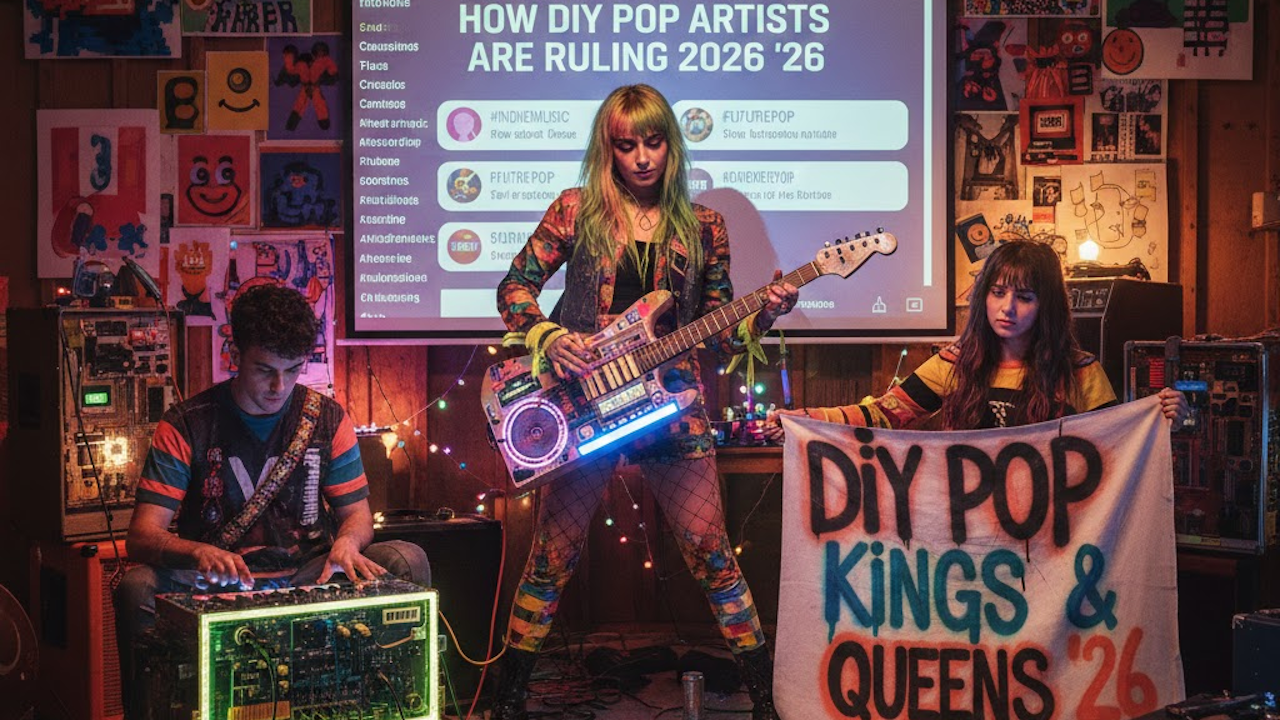
In the ever-evolving landscape of the music industry, 2026 has emerged as a pivotal year where do-it-yourself (DIY) pop artists are not just surviving but thriving at the forefront. Gone are the days when major labels held the keys to stardom; instead, a new wave of independent creators is harnessing technology, social media, and direct fan connections to dominate charts, streams, and cultural conversations. This shift represents more than a trend; it is a fundamental reconfiguration of how pop music is made, marketed, and monetized. From bedroom producers turning viral TikToks into global hits to artists building sustainable careers outside traditional gatekeepers, DIY pop is redefining success on its own terms.
The rise of DIY pop in 2026 can be traced back to the democratization of music production tools that began accelerating in the mid-2020s. Affordable software like Ableton Live and GarageBand, combined with AI-assisted composition platforms, has lowered barriers to entry. Artists no longer need expensive studio time or label backing to craft polished tracks. For instance, emerging talents are using AI as collaborators rather than competitors, generating beats, lyrics, or even vocal effects that enhance their creative vision without overshadowing it. This technological empowerment has fueled a surge in hyperpop and experimental sounds, where glitchy, futuristic aesthetics meet DIY ethos. Hyperpop pioneers, influenced by earlier figures like SOPHIE, have paved the way for a generation that blends high-energy beats with personal storytelling, all produced from home setups.
One key factor propelling DIY pop artists to dominance is the emphasis on authentic, fan-driven ecosystems. In 2026, success is less about chasing algorithms and more about fostering genuine communities. Streaming platforms, while still dominant, are being supplemented or even bypassed through physical releases and intimate experiences. Vinyl sales continue to climb, and CDs are experiencing a resurgence as fans crave tangible connections in an oversaturated digital world. Artists are turning backyards into venues and albums into immersive events, prioritizing depth over virality. This approach resonates in a time when audiences are fatigued by endless content scrolls and seek music that feels sacred and personal.
Take the case of PLUTO, a breakout hip-hop-infused pop artist who embodies the DIY spirit. Inspired by the self-starter energy of predecessors like Sexyy Red, PLUTO burst onto the scene in 2025 with the viral track “Whim Whamiee,” a pulsating anthem that gained traction through grassroots social media shares. Without major label support, she released two projects that year, BOTH WAYS and PLUTO WORLD, capitalizing on organic momentum to build a loyal fanbase. By 2026, PLUTO has evolved into a pop force, blending DIY production with collaborative features that keep her sound fresh and accessible. Her story illustrates how independent artists can turn a single viral moment into a sustainable career, ruling niche corners of the pop world while influencing mainstream trends.
Similarly, Jae Stephens is reclaiming pop’s playful, subversive side through her independent releases. Her 2025 EP SELLOUT 2 amplified the glossy confidence of its predecessor, mixing irreverent lyrics with sleek production all handled in-house. Stephens’ refusal to be boxed in, drawing from Black pop traditions while pushing boundaries, has made her a staple in playlists and discussions about the genre’s future. In 2026, she is expanding her reach with mystery campaigns and interactive fan activations, tactics that align with broader marketing trends emphasizing world-building and real-life engagements. These strategies allow DIY artists like Stephens to create immersive narratives around their music, turning listeners into active participants rather than passive consumers.
The influence of social media platforms, particularly TikTok and X (formerly Twitter), cannot be overstated in this DIY revolution. In 2026, these tools enable artists to bypass traditional promotion cycles. Emerging acts like Dove Ellis, a elusive indie-pop singer with rock undertones, have leveraged short-form videos to tease cryptic releases, building hype through fan speculation and shares. Ellis’ 2025 debut captured attention for its raw, human touch amid AI-saturated sounds, and by early 2026, her live performances are selling out small venues worldwide. This direct-to-fan model is echoed in hyperpop circles, where artists like ElyOtto and The Deep infuse glitchy, bold energy with LGBTQ+ pride, creating safe spaces online that translate to real-world loyalty.
Underground collectives and solo acts are also rising through genre-blending innovation. For example, the Zappe Cats, a Miami-based trio, fuse punk rawness with alt-pop melodies in their 2025 EP MISU MISU, produced entirely independently. Their fearless approach has earned them spots at major festivals, proving that DIY doesn’t mean low-fi; it means control over artistic direction. On X, users are buzzing about similar underground talents poised for 2026 takeovers, including babybartier, nosaint, and dellyvadova, who thrive on self-promotion and community-driven virality. These artists represent a broader trend toward organic sounds and sustainability, where pop intersects with Afrofuturism, rock revivals, and eco-conscious themes.
This DIY dominance is reshaping the entire pop ecosystem. Major labels are adapting by scouting independent talents earlier, but many artists opt to remain autonomous, using platforms like Bandcamp or Patreon for direct revenue. In 2026, fan pages and nostalgia-driven campaigns are key drivers, with artists like Taylor Swift and Drake embracing hybrid models that incorporate DIY elements to stay relevant. Predictions from industry insiders highlight a surge in 2000s-era sonics mixed with modern twists, often pioneered by DIY creators who remix cultural flashbacks into interactive experiences. This decentralization empowers underrepresented voices, from hyperpop’s queer icons to R&B innovators like Arno Sacco and Zyah Belle, who are building discographies meant to endure beyond trends.
However, the DIY path is not without challenges. Oversaturation on platforms can bury talent, and the pressure to constantly engage fans risks burnout. Yet, successful artists counter this by focusing on connection over noise, as emphasized in strategies for winning in 2026: rewarding authenticity and building ecosystems that outlast viral moments. For instance, MELA BEE’s prediction of a return to physical formats underscores a craving for depth, where backyard shows and limited-edition merch foster lasting bonds.
Looking ahead, DIY pop’s rule in 2026 signals a brighter, more inclusive future for music. As tools evolve and fans demand transparency, independent artists will continue to innovate, blending nostalgia with forward-thinking sounds like pluggnB and Afrofuturism. Established stars may release major albums, from Olivia Rodrigo’s OR3 to potential drops from Ariana Grande or Melanie Martinez, but the real rulers are the self-made creators who turn personal visions into cultural phenomena. In this era, pop is no longer dictated from the top down; it is crafted, shared, and celebrated from the ground up, proving that true stardom is now in the hands of those bold enough to do it themselves.