

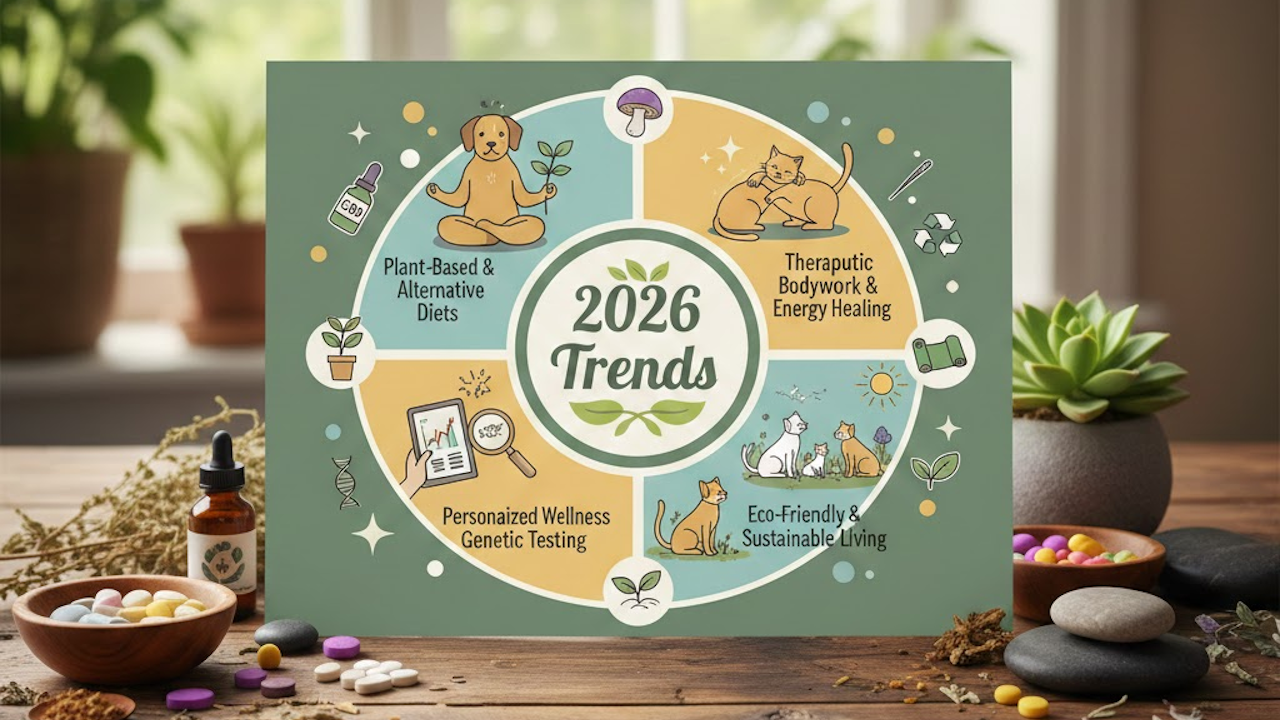
In 2026, holistic pet care has evolved from a niche practice into a mainstream approach for pet owners worldwide. This philosophy emphasizes treating the whole animal, including physical, emotional, and environmental factors, rather than just addressing isolated symptoms. With pets increasingly viewed as family members, owners are seeking natural, preventive, and integrative methods to enhance their companions’ well-being. This shift is driven by growing awareness of human-animal bonds, concerns over conventional veterinary side effects, and a broader societal push toward sustainability and wellness. According to industry reports, pet spending on wellness products is surging, reflecting a desire for longer, healthier lives for dogs, cats, and other animals. As we delve into the key trends shaping holistic pet care this year, it becomes clear that innovation, personalization, and nature-inspired solutions are at the forefront.
Holistic care draws from ancient traditions like Traditional Chinese Medicine and Ayurveda, adapted for modern pets. It integrates nutrition, alternative therapies, and lifestyle adjustments to promote balance. In 2026, this approach is bolstered by scientific advancements, such as microbiome testing and functional ingredients, making it more accessible and evidence-based. Pet owners, particularly younger generations like millennials and Gen Z, are leading the charge, investing heavily in premium, natural options. This article explores the major trends, their benefits, and how they are transforming pet health.
Personalized Nutrition and Biometric Diets
One of the most prominent trends in holistic pet care for 2026 is the rise of hyper-personalized nutrition plans tailored to individual pets’ needs. Gone are the days of one-size-fits-all kibble; instead, owners are turning to biometric data to customize diets. At-home kits and veterinary panels analyze a pet’s microbiome, genetics, and sensitivities to recommend specific foods and supplements. This gut-brain connection approach ensures that nutrition supports not just physical health but also mental clarity and emotional stability.
For example, if a dog’s microbiome test reveals imbalances linked to anxiety or digestive issues, a diet rich in prebiotics, probiotics, and adaptogens might be prescribed. Specialty and fresh foods, including raw or minimally processed options, are gaining traction as they mimic natural diets and avoid artificial additives. Insect protein is emerging as a sustainable alternative, providing high-quality nutrition with a lower environmental footprint, appealing to eco-conscious owners.
The benefits are substantial. Personalized diets can prevent chronic conditions like obesity, allergies, and joint problems, which are common in pets. Studies show that balanced microbiomes lead to improved immunity and longevity, aligning with holistic principles of prevention over cure. In practice, this trend is supported by apps and subscription services that deliver customized meals directly to doors, making it convenient for busy pet parents. As pet expenditure from younger generations increases, expect more innovation in this space, with AI-driven recommendations becoming standard.
Integrative Therapies and Alternative Treatments
Holistic pet care in 2026 heavily features integrative therapies that combine conventional veterinary medicine with alternative modalities. Practices such as acupuncture, chiropractic care, massage, and herbal medicine are no longer fringe; they are integrated into routine wellness plans. These therapies address the root causes of ailments, promoting natural healing and reducing reliance on pharmaceuticals.
Acupuncture, for instance, uses fine needles to stimulate energy points, alleviating pain from arthritis or injuries in older pets. Chiropractic adjustments improve mobility and posture, while massage therapy enhances circulation and reduces stress. Aromatherapy with essential oils like lavender for calming, and reiki for energy balancing, are also popular for emotional support. Safety is key; these treatments are deemed safe when performed by certified professionals, and they often complement traditional care for conditions like cancer or chronic pain.
The appeal lies in their non-invasive nature and focus on the pet’s overall quality of life. Pet owners report stronger bonds through these hands-on therapies, which encourage mindful interaction. In 2026, veterinary clinics are increasingly offering holistic certifications, and insurance plans are beginning to cover alternative treatments, making them more affordable. This trend underscores a shift toward viewing pets as holistic beings, where physical health is intertwined with emotional and spiritual elements.
Mental and Emotional Wellness for Pets
As awareness of mental health grows in human society, it extends to pets in 2026. Mental stimulation and emotional well-being are core components of holistic care, with owners prioritizing enrichment to combat boredom, anxiety, and depression in animals. This includes puzzle toys, interactive games, and calm-inducing environments that mimic natural habitats.
Mental health for pets involves more than play; it encompasses addressing behavioral issues through natural means. Enrichment activities, such as scent work or agility training, satisfy instincts and provide cognitive challenges. For senior pets, softer approaches like orthopedic bedding and shorter, specialized sessions help maintain mental sharpness. This trend is particularly relevant as pet ownership demographics shift, with more urban dwellers seeking ways to enrich indoor lives.
Supplements play a role here too, with adaptogens and functional fungi like reishi mushrooms gaining popularity for their stress-reducing properties. These natural compounds support the nervous system without sedatives. The result? Happier, more balanced pets that exhibit fewer destructive behaviors. Holistic experts emphasize the human-animal bond, noting that owner mindfulness practices, like joint meditation sessions, can transfer calm to pets. In daycare and boarding facilities, mental wellness programs are becoming standard, reflecting a broader industry focus on emotional health.
Sustainable and Eco-Friendly Practices
Sustainability is a cornerstone of holistic pet care in 2026, as owners align their values with eco-friendly products and practices. This trend emphasizes responsibly sourced materials, recyclable packaging, and low-impact manufacturing to minimize environmental harm while benefiting pet health.
From biodegradable toys to organic bedding, products free of chemicals and plastics are in demand. Transparent supply chains ensure ingredients are ethically harvested, reducing the carbon footprint of pet care. Holistic nutrition ties in here, with plant-based or insect-derived proteins offering alternatives to traditional meat, which can strain resources. Grooming items like natural shampoos and dental chews made from sustainable sources promote skin health without toxins.
The holistic angle views sustainability as integral to well-being; a clean environment supports healthier pets and planets. Owners are choosing brands that prioritize these values, leading to growth in direct-to-consumer models that emphasize transparency. In 2026, this trend is amplified by global regulations on packaging and animal welfare, encouraging innovation in green technologies for pet products.
Technology Integration in Holistic Care
While holistic care roots in nature, technology enhances it in 2026 by providing tools for monitoring and personalization. Wearable devices, such as fitness trackers and health monitors, track activity, sleep, and vital signs, allowing owners to adjust holistic plans in real-time.
Smart feeders dispense customized portions based on biometric data, ensuring nutritional balance. Apps connect to veterinarians for virtual holistic consultations, integrating data from wearables with alternative therapy recommendations. This “tech meets tails” approach makes holistic care more precise and accessible, especially for remote or busy owners.
However, the focus remains on natural outcomes; technology serves as a bridge, not a replacement. For instance, AI analyzes behavior patterns to suggest enrichment activities or herbal supplements. As pet tech advances, expect more integration with holistic principles, like apps promoting mindfulness exercises for owners and pets alike.
Supplements and Lifestyle Wellness
Holistic supplements are booming in 2026, focusing on preventive care through natural ingredients. Lifestyle supplements target joint mobility, digestive health, skin vitality, and immunity with blends of herbs, vitamins, and probiotics.
Functional fungi, adaptogens, and CBD-infused products address stress and inflammation naturally. These are formulated for palatability and convenience, aligning with modern lifestyles. Unlike targeted treatments, they promote overall vitality, preventing issues before they arise.
Pet owners appreciate the science-backed formulations, with many products undergoing rigorous testing. This trend supports the holistic view of interconnected health systems, where supplements enhance diet and therapies for comprehensive wellness.
Conclusion
As 2026 unfolds, holistic pet care trends reflect a deeper commitment to treating pets as whole beings in harmony with their environments. From personalized nutrition and integrative therapies to mental wellness and sustainable practices, these developments promise healthier, happier lives for animals. Technology and supplements further empower owners to make informed choices. With economic rebalancing in the pet industry favoring premium, wellness-focused spending, the future looks bright for holistic approaches. Embracing these trends not only benefits pets but also strengthens the bonds that make them integral to our families. As research continues, expect even more innovative ways to nurture our furry companions naturally.