

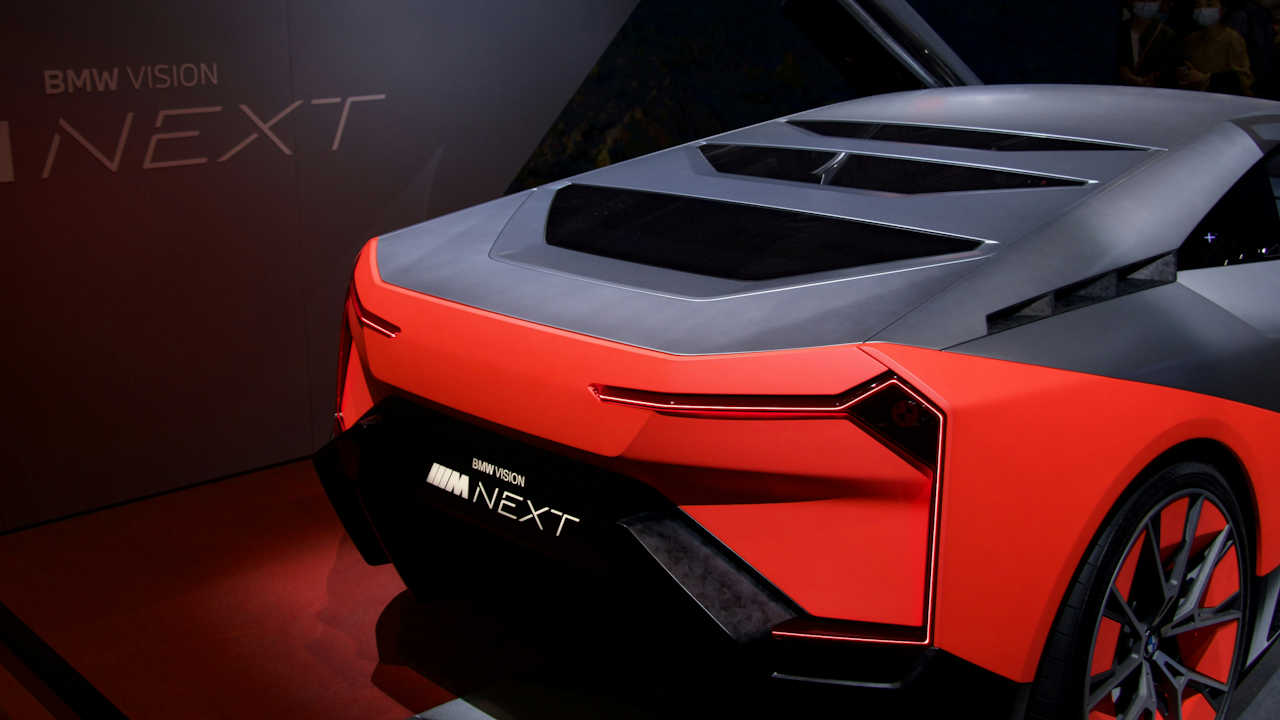
The automotive world is undergoing a dramatic transformation, moving far beyond simple incremental updates. The next decade promises a revolution in design, driven by the shift to electric power, the rise of autonomous driving, and a universal focus on sustainability. The concept cars and future production models being developed today are not just vehicles, they are rolling living rooms, performance machines, and mobile data centers. Here is a look at the futuristic car designs we are most eagerly anticipating.
⚡ The Electric Powertrain: A Design Catalyst
The move from the traditional internal combustion engine to electric power is arguably the single greatest factor redefining car design. Without the need for a large engine block, transmission tunnel, or bulky fuel tank, designers are given unprecedented freedom to rethink vehicle architecture.
- “Skateboards” and Cabin-Forward Design: Electric vehicles (EVs) often utilize a skateboard platform, where the battery and drivetrain components are laid flat beneath the floor. This creates an incredibly spacious, flat cabin floor and shorter front and rear overhangs. This principle is clearly visible in concepts like the BMW Vision Neue Klasse, which previews the next generation of BMW’s core models, focusing on athletic proportions and a dramatically increased interior volume.
- Aerodynamics as a Core Aesthetic: Maximizing range is crucial for EVs, making aerodynamics a top priority, which in turn dictates the exterior design. This trend leads to ultra-smooth, flowing lines, integrated door handles, and sleek, minimalist surfaces. Vehicles like the Mercedes-Benz Vision EQ Silver Arrow or the rumored next-generation electric luxury sedans from brands like Lucid and Mercedes-AMG showcase this quest for minimal drag, resulting in an elegant, almost liquid-metal appearance.
- The Reimagined Front End: The traditional grille, once essential for engine cooling, is rapidly evolving into a stylistic element. In many futuristic designs, it is replaced by a digital “light signature” or a smooth, closed fascia that incorporates sensors for autonomous driving. This new face of the car allows for highly distinctive and dynamic lighting designs, turning the vehicle’s signature into a digital light show.
🧠 Autonomous Interiors: The Third Living Space
As cars gain Level 3 and Level 4 autonomous capabilities, the interior transforms from a cockpit focused on the driver to a versatile, multi-purpose space. Designers are now thinking of the car as a “third living space,” distinct from the home and the office.
- Lounge-Like Comfort: Concepts like the Cadillac InnerSpace are the perfect illustration of this trend. They feature two-seat, fully autonomous designs where the traditional driver controls disappear when not in use, and the seats can swivel and recline for conversation or relaxation. The entire cabin becomes a private, connected lounge.
- Reconfigurable Seating: Future interiors will embrace flexibility. Reconfigurable seats that can face each other, or even fold completely flat, will allow passengers to work, socialize, or sleep during their commute. This flexibility creates entirely new vehicle types optimized for shared mobility services, as seen in some of Hyundai’s advanced urban mobility concepts.
- The Digital Cockpit: Traditional gauges and physical buttons are being replaced by sweeping, panoramic display screens that run the width of the dash. Technologies like BMW’s Panoramic iDrive aim to project information across the lower portion of the windshield, blending augmented reality with the driving experience. This simplified, minimalist interface reduces clutter and focuses on a calm, sophisticated user experience.
🌲 Sustainability and Radical Materials
The pursuit of sustainability is profoundly affecting both the visible and invisible aspects of design. Futuristic cars will increasingly utilize materials and processes that reduce their environmental footprint.
- Eco-Conscious Cabin Materials: Expect a significant move away from traditional leather towards vegan leather, recycled plastics, and natural fibers like cork and bamboo. The Mercedes-Benz Vision AVTR concept exemplifies this, using a battery technology free of rare earth metals and interior materials made from recycled materials and vegan leather. This shift not only aligns with environmental values but introduces new, interesting textures and colors into luxury cabins.
- Lightweight and Durable Exteriors: Advanced materials such as carbon fiber-reinforced plastic (CFRP) and innovative aluminum alloys are being integrated to reduce vehicle weight, which directly improves EV range and performance. The rise of 3D printing in manufacturing allows for more complex, organic body structures that are simultaneously lighter and stronger than conventionally produced parts.
- Energy-Harvesting Surfaces: Some truly cutting-edge concepts, like the older Mercedes-Benz G-Code, explored surfaces with “multi-voltaic” paint designed to absorb solar energy and even collect an electrostatic charge from the wind. While still largely experimental, the idea of a car actively harvesting energy through its body panels is a powerful vision of self-sustaining design.
⛰️ The Super-Utility Vehicle and Off-Road Reimagining
The future of automotive design isn’t only about sleek road cars; it is also about redefining capability and utility in dramatic new ways.
- The Cyberpunk Aesthetic: No discussion of futuristic design is complete without mentioning the Tesla Cybertruck. Its angular, hard-edged, stainless-steel exoskeleton challenges decades of conventional automotive design. It embodies a raw, function-over-form aesthetic that screams sci-fi utility and durability.
- The Performance Off-Roader: Brands are pushing the boundaries of what a performance vehicle can be by blending supercar DNA with rugged off-road capability. The potential production of the Ford Mustang Raptor or the aggressive styling of the Jeep Recon EV show an emerging category where blistering speed and rock-crawling capability are not mutually exclusive.
- Transformative Mobility: Concepts like the Hyundai Elevate defy easy classification. This vehicle uses robotic legs with wheels, allowing it to drive, climb, and “walk” over challenging terrain. While perhaps an extreme niche vehicle, it represents the complete deconstruction of what a traditional four-wheeled car is, pointing toward multi-modal vehicles for disaster relief and search and rescue.
🏁 Looking Ahead: A Future Driven by Passion and Purpose
The convergence of electrification, autonomous technology, and a renewed focus on materials science is propelling automotive design into an exhilarating new era. From the luxurious, lounge-like interiors of self-driving pods to the aggressive, physics-defying performance of electric super-SUVs, the coming wave of cars promises both incredible technological advancement and breathtaking aesthetics. These are not merely design studies; they are blueprints for a driving experience that will be cleaner, safer, more connected, and undeniably exciting.