

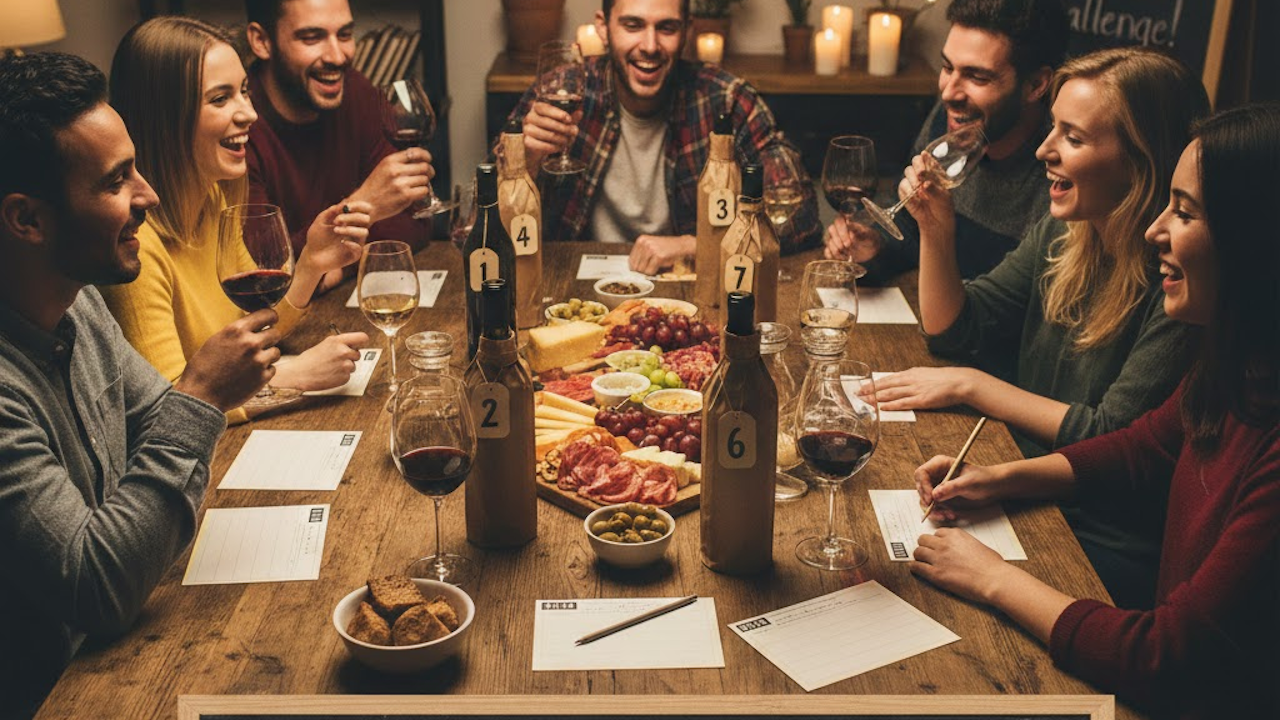
Hosting a wine tasting at home is one of the most enjoyable ways to bring friends together. It blends conversation, discovery, and a touch of elegance, all without requiring a sommelier certification or a large budget. With a bit of planning and thoughtful presentation, you can create a tasting experience that feels polished, relaxed, and memorable.
The first step is defining the purpose and style of your tasting. Decide whether you want a casual evening with friends or a more structured event focused on learning. This choice guides every other decision, from the number of wines to the way you arrange the room. A clear theme also helps. You might choose wines from a single country, compare grape varieties, explore old world versus new world styles, or focus on a price range such as affordable finds under twenty dollars. A simple theme gives guests a sense of direction and makes the tasting feel intentional rather than random.
Next comes selecting the wines. For most home tastings, four to six wines is ideal. Fewer than four can feel brief, while more than six can overwhelm both the palate and the guests. Choose wines that show contrast. For example, a light white, a richer white, a light red, a bold red, and a dessert wine create a natural progression. If you are serving beginners, include approachable styles with clear flavors. If your group is more experienced, add one surprising or challenging bottle to spark discussion.
When planning quantities, assume each guest will taste about two ounces per wine. One standard bottle yields roughly twelve small pours. This makes it easy to calculate how many bottles you need based on your guest list. It is better to have a little extra than to run out, especially if people find a favorite and want a second taste.
Glassware and setup play a larger role than many hosts expect. Ideally, each guest should have at least two glasses so they can compare wines side by side. If that is not possible, provide water and encourage rinsing between pours. Arrange the wines in the order they will be tasted, usually from light to heavy, dry to sweet, and lower alcohol to higher. Label each bottle with a number or name so guests can track their impressions.
Create simple tasting sheets or cards with space for notes. Include the wine name, region, grape, and vintage if you like. This small detail elevates the experience and gives guests something to take home. It also encourages thoughtful tasting rather than quick sipping.
Food is essential, but it should support the wine, not compete with it. Offer neutral items such as bread, crackers, and plain cheese to cleanse the palate. Then add a few complementary bites that match your theme. For a French tasting, consider baguette, brie, and charcuterie. For an Italian lineup, think olives, prosciutto, and aged parmesan. Avoid strongly spiced or sugary foods that can distort the flavors of the wine.
Set the atmosphere with comfortable seating, good lighting, and a clear central area for pouring. Background music should be soft enough to allow conversation. Make sure there is plenty of water available and remind guests to drink it throughout the evening. This keeps palates fresh and helps everyone enjoy the night responsibly.
As the host, guide the tasting without lecturing. Begin each wine with a brief introduction. Mention where it is from, what grape it is made from, and one or two key things to notice. Encourage guests to look at the color, smell the aromas, and take a small sip before forming opinions. There are no right or wrong answers in tasting, only personal impressions.
Invite discussion after each wine. Ask open questions such as what flavors people notice or which wine they prefer so far. Keep the tone light and inclusive. The goal is not to test knowledge but to share experiences. If someone dislikes a wine, that is just as valuable as liking it.
Timing matters more than you might think. Allow about ten to fifteen minutes per wine, including discussion and snacks. This pace keeps energy up without rushing. Build in a short break halfway through so guests can refresh their glasses, stretch, and reset their senses.
Finish the evening with a small highlight. This could be a dessert wine, a surprise bottle, or a group vote for the favorite of the night. Thank your guests and, if you can, send them home with their tasting notes or a list of the wines you served.
Hosting a DIY wine tasting is about creating an inviting space for curiosity and connection. With thoughtful planning, simple organization, and a relaxed attitude, you can host a party that feels professional without losing the warmth of a home gathering.