

In the world of cryptocurrencies, securing your digital assets is paramount. Whether you are a seasoned trader or a newcomer to the blockchain ecosystem, one of the first decisions you will face is choosing the right type of wallet. Wallets serve as the gateway to managing, storing, and transacting with cryptocurrencies like Bitcoin, Ethereum, and others. They hold your private keys, which are essential for accessing and controlling your funds. Without a proper understanding of wallet types, you risk exposing your assets to theft, loss, or unauthorized access.
Broadly speaking, cryptocurrency wallets fall into two main categories: hot wallets and cold wallets. This distinction revolves around their connectivity to the internet and the level of security they provide. Hot wallets are online and convenient for frequent transactions, while cold wallets prioritize security by remaining offline. In this comprehensive article, we will delve into the intricacies of both, exploring their definitions, advantages, disadvantages, use cases, and key differences. By the end, you should have a clear grasp of which option suits your needs and how to implement best practices for safeguarding your investments.
What Are Hot Wallets?
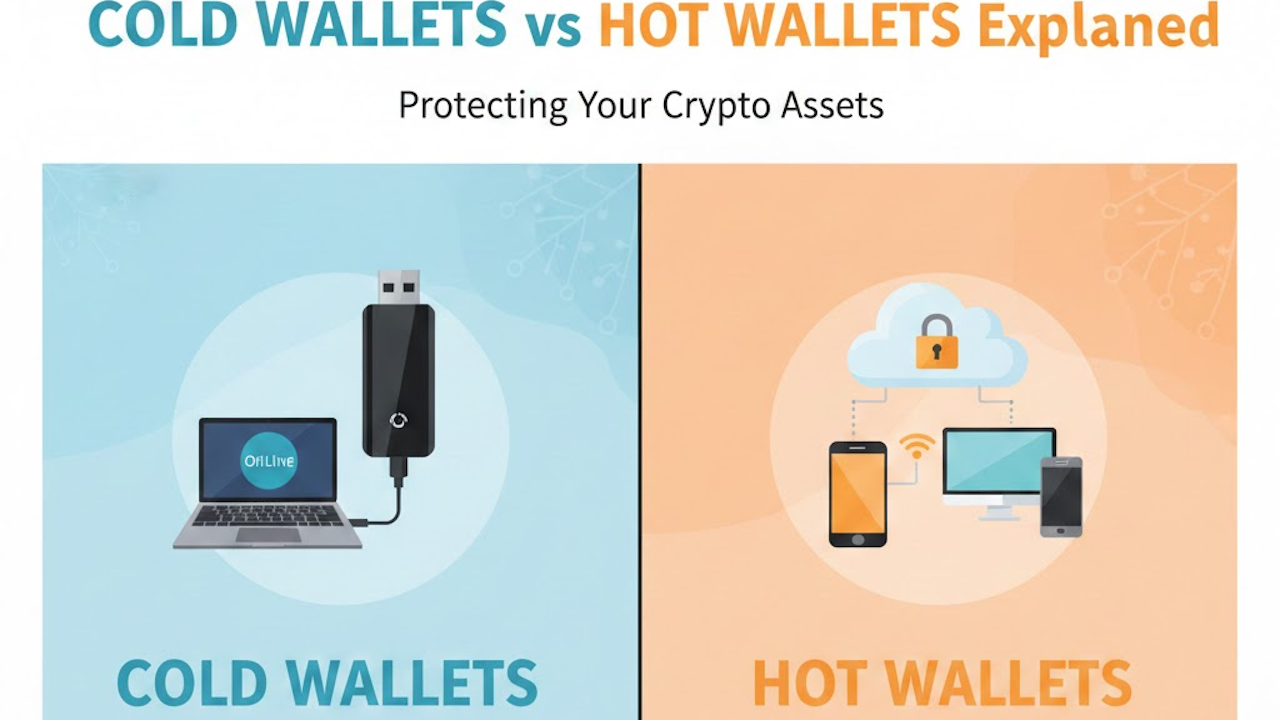
Hot wallets are digital storage solutions that maintain a constant or frequent connection to the internet. This connectivity allows for quick access to your cryptocurrencies, making them ideal for everyday use. Essentially, a hot wallet operates like a digital bank account that you can access from your smartphone, computer, or web browser.
There are several types of hot wallets, each catering to different user preferences:
- Mobile Wallets: These are applications installed on smartphones, such as Trust Wallet or MetaMask. They offer portability and features like QR code scanning for transactions.
- Desktop Wallets: Software programs downloaded to a computer, like Electrum for Bitcoin or Exodus for multiple cryptocurrencies. They provide more control over your keys but require regular updates.
- Web Wallets: Browser-based options, often integrated with exchanges like Coinbase Wallet or Binance Web3 Wallet. These are accessible from any device with internet but rely on third-party servers.
- Exchange Wallets: Built-in wallets provided by cryptocurrency exchanges, such as those on Kraken or Gemini. While convenient, they mean you do not fully control your private keys, as the exchange holds them.
Hot wallets generate and store your private keys on devices or servers that are online, enabling seamless interactions with blockchain networks. For instance, when you want to send Ether to a friend, a hot wallet can sign the transaction instantly and broadcast it to the network.
Advantages of Hot Wallets
The primary appeal of hot wallets lies in their usability and accessibility. Here are some key benefits:
- Convenience: Hot wallets allow for rapid transactions. You can buy, sell, or trade cryptocurrencies in seconds without needing to connect external hardware.
- Integration with Services: Many hot wallets integrate with decentralized applications (dApps), non-fungible tokens (NFTs), and decentralized finance (DeFi) platforms. This makes them essential for users engaging in yield farming, staking, or gaming on blockchain.
- Low Cost: Most hot wallets are free to download and use, with minimal fees tied only to network transactions.
- User-Friendly Interfaces: They often come with intuitive designs, backup options like seed phrases, and multi-currency support, lowering the barrier for beginners.
- Liquidity: Since they are online, hot wallets facilitate immediate access to funds, which is crucial for day traders or those needing to respond to market volatility.
Disadvantages of Hot Wallets
Despite their convenience, hot wallets come with inherent risks due to their online nature:
- Security Vulnerabilities: Being connected to the internet exposes them to hacks, phishing attacks, malware, and keyloggers. High-profile incidents, like the 2022 Ronin Network breach where over $600 million was stolen, highlight these dangers.
- Dependence on Third Parties: Web and exchange wallets often involve trusting a service provider, which could suffer from internal breaches or go bankrupt, as seen with the FTX collapse in 2022.
- Limited Privacy: Transactions from hot wallets can be traced more easily on public blockchains, and some wallets require know-your-customer (KYC) verification.
- Potential for Loss: If your device is compromised or you forget your password without a backup, recovering funds can be challenging.
In summary, while hot wallets excel in speed and ease, they trade off some security for functionality.
What Are Cold Wallets?
In contrast to hot wallets, cold wallets are designed for maximum security by keeping your private keys completely offline. This isolation from the internet makes them resistant to online threats, earning them the nickname “cold storage.” Cold wallets are typically used for long-term holding, often referred to as “HODLing” in crypto slang.
Common types of cold wallets include:
- Hardware Wallets: Physical devices resembling USB drives, such as Ledger Nano S, Trezor Model T, or KeepKey. These generate and store keys internally, only connecting to the internet briefly for transactions.
- Paper Wallets: Printed documents containing your public address and private key, often in QR code form. Tools like Bitcoin Paper Wallet generators create these, but they must be printed securely.
- Air-Gapped Computers: Dedicated offline computers used solely for wallet management, though this is less common due to complexity.
- Metal Wallets: Engraved metal plates for storing seed phrases, offering durability against fire or water damage.
To use a cold wallet, you generate keys offline, transfer funds to the public address, and store the device or paper securely. When transacting, you sign the transaction offline and broadcast it via a separate online device.
Advantages of Cold Wallets
Cold wallets are favored by security-conscious users for several reasons:
- Enhanced Security: Offline storage protects against remote hacks, viruses, and phishing. Even if a hacker accesses your computer, they cannot reach the keys.
- Full Control: You own your private keys outright, aligning with the crypto ethos of “not your keys, not your coins.”
- Long-Term Storage: Ideal for holding large amounts without frequent access, reducing the risk of impulsive decisions during market dips.
- Durability Options: Hardware wallets are tamper-evident, and metal backups withstand physical damage.
- Privacy Focus: Transactions can be more anonymous since keys are not exposed online regularly.
Disadvantages of Cold Wallets
The trade-off for superior security is reduced convenience:
- Inaccessibility: Retrieving funds requires physical access and setup, which can be time-consuming for urgent transactions.
- Initial Cost: Hardware wallets range from $50 to $200, plus potential shipping fees.
- User Error Risks: Losing the device, forgetting the PIN, or damaging the backup can lead to permanent fund loss. Recovery relies on seed phrases, which must be stored safely.
- Limited Functionality: They do not support direct dApp interactions or real-time trading without pairing with a hot wallet.
- Setup Complexity: Beginners may find the process intimidating, involving secure key generation and verification.
Cold wallets shine in scenarios where protection outweighs immediacy.
Cold Wallets vs Hot Wallets: A Direct Comparison
To better illustrate the differences, let’s compare the two using a table:
| Aspect | Hot Wallets | Cold Wallets |
|---|---|---|
| Connectivity | Online/Internet-connected | Offline/Air-gapped |
| Security Level | Moderate (vulnerable to online threats) | High (resistant to hacks) |
| Convenience | High (quick access and transactions) | Low (requires physical setup) |
| Cost | Usually free | $50-$200 for hardware |
| Best For | Frequent trading, DeFi, small amounts | Long-term storage, large holdings |
| Risk of Loss | High from cyber attacks | High from physical loss or damage |
| Examples | MetaMask, Coinbase Wallet | Ledger, Trezor, Paper Wallets |
| Privacy | Lower (traceable online activity) | Higher (keys stay offline) |
| Backup Options | Seed phrases, cloud backups | Seed phrases, physical copies |
This table underscores that neither type is universally superior; the choice depends on your risk tolerance and usage patterns.
When to Use Hot Wallets vs Cold Wallets
Selecting between hot and cold wallets hinges on your specific needs:
- Use Hot Wallets If: You are an active trader needing quick market responses, engage in DeFi protocols, or hold small amounts for daily spending. They are perfect for mobile users or those experimenting with NFTs.
- Use Cold Wallets If: You plan to store significant sums for years, prioritize security over speed, or have experienced past hacks. Institutional investors and high-net-worth individuals often rely on cold storage.
Many users adopt a hybrid approach: Keep a small portion in a hot wallet for liquidity and the bulk in cold storage for safety. For example, transfer funds from cold to hot only when needed.
Security Best Practices for Both Wallet Types
Regardless of your choice, implementing robust security measures is crucial:
- Always use strong, unique passwords and enable two-factor authentication (2FA), preferably with hardware keys.
- Back up your seed phrase in multiple secure locations, avoiding digital storage.
- Verify wallet software from official sources to avoid malware.
- For hot wallets, use antivirus software and avoid public Wi-Fi.
- For cold wallets, store devices in safe places like vaults and test recoveries periodically.
- Stay informed about updates and potential vulnerabilities through reputable sources.
- Consider multi-signature (multi-sig) wallets for added layers, requiring multiple approvals for transactions.
By following these, you minimize risks and enhance your overall crypto experience.
Future Trends in Wallet Technology
The wallet landscape is evolving rapidly. Innovations like smart contract wallets (e.g., Argent) blend hot wallet convenience with enhanced security via account abstraction. Biometric integrations and quantum-resistant cryptography are on the horizon to counter emerging threats. Additionally, the rise of layer-2 solutions may make hot wallets even faster, while advancements in hardware could reduce cold wallet costs.
Conclusion
In the dynamic realm of cryptocurrencies, understanding cold wallets versus hot wallets is essential for informed decision-making. Hot wallets offer unparalleled convenience for active users, while cold wallets provide ironclad security for long-term holders. By weighing the pros, cons, and your personal circumstances, you can select or combine these tools effectively. Remember, the key to success in crypto is not just investment strategy but also diligent asset protection. Stay vigilant, and your digital wealth will be better safeguarded against the uncertainties of the blockchain world.