

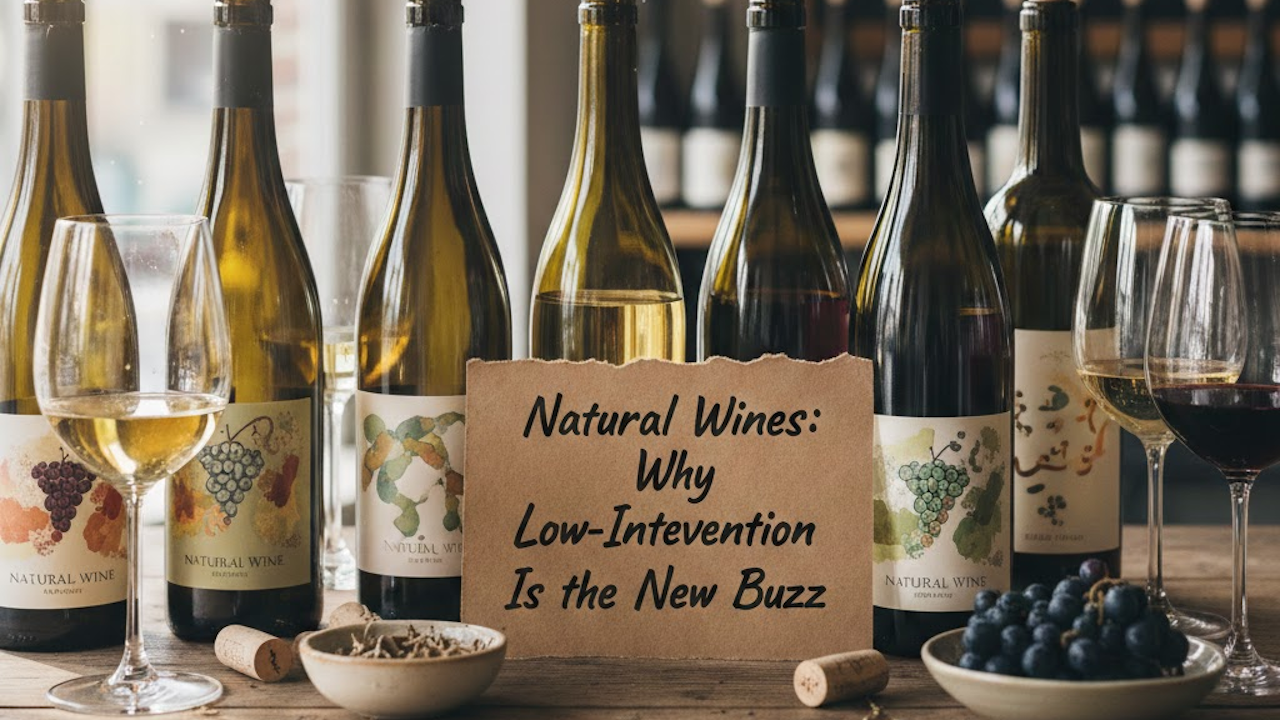
Natural wine has moved from the fringes of the wine world into the mainstream conversation. Once dismissed by many traditionalists as cloudy, funky, or unreliable, it now fills shelves in specialty shops, appears on the lists of ambitious restaurants, and sparks lively debate among casual drinkers and collectors alike. At its core sits a simple idea: low-intervention winemaking. This approach prioritizes grapes grown without synthetic chemicals, fermented with the yeasts already present on the skins or in the cellar, and bottled with as few additions as possible. The result is wine that many describe as alive, expressive of place, and free from the industrial polish that defines much of the commercial market. The rising interest in these bottles reflects broader cultural shifts toward authenticity, sustainability, and a desire to understand what actually goes into the glass.
Understanding low-intervention begins with the vineyard. Conventional viticulture often relies on herbicides, pesticides, and chemical fertilizers to ensure consistent yields and disease resistance. Natural producers reject most of these tools. Many farm organically or biodynamically, treating the vineyard as a living ecosystem rather than a factory floor. Cover crops between the rows encourage beneficial insects and improve soil structure. Compost and natural preparations replace synthetic nutrients. The goal is healthy vines that can resist pests and produce balanced fruit without heavy chemical support. Harvest decisions follow the same philosophy. Grapes are picked by hand when the grower judges them ready, not according to a fixed calendar or laboratory target for sugar levels. This attention to timing and site allows the resulting wine to carry the distinctive character of its origin, whether the cool, mineral slopes of the Loire or the sun-baked hills of southern Italy.
Once the fruit reaches the cellar, intervention remains deliberately limited. Most natural winemakers rely on spontaneous fermentation. Instead of inoculating with commercial yeast strains selected for reliability and predictable aromas, they allow the native yeasts living on the grape skins and in the winery to start the process. These wild populations can produce a wider range of flavors and textures, sometimes including the slight funk or earthy notes that have become signatures of the style. Temperature control is often minimal. Fermentation may occur in open-top vessels, concrete tanks, or traditional clay amphorae rather than stainless steel tanks engineered for absolute precision. After fermentation, many producers avoid aggressive clarification. They skip fining agents derived from animal products or synthetic materials and forgo filtration that would strip the wine of yeast cells, proteins, and other compounds that contribute texture and longevity. Sulfur dioxide, the most common preservative in conventional wine, is used sparingly or not at all. The wine that emerges can appear hazy, develop a slight spritz, or change noticeably over the course of an evening. These traits are not flaws in the eyes of its advocates. They are evidence that the liquid remains biologically active.
The appeal of this approach rests on several interconnected desires. Health-conscious drinkers have grown wary of the long list of additives permitted in conventional wine. Beyond sulfur, commercial producers may use enzymes, tannin powders, oak chips, acidifiers, and color stabilizers. Natural wine offers a shorter ingredient list and a sense that the drinker is consuming something closer to fermented grape juice. Environmental concerns add another layer. Industrial agriculture contributes to soil degradation, water pollution, and biodiversity loss. Low-intervention farming seeks to reverse some of those effects by building soil health and reducing chemical runoff. For many younger consumers, the choice of natural wine aligns with broader ethical purchasing habits already applied to food, clothing, and cosmetics.
Flavor provides the most immediate reason for the buzz. Conventional wines often aim for consistency across vintages and markets. Technical interventions smooth out the rough edges that can appear in difficult years or challenging sites. Natural wines, by contrast, embrace variation. A bottle from one vintage may taste markedly different from the next. The same producer’s cuvée can evolve differently depending on storage conditions or the moment it is opened. This unpredictability attracts drinkers who value discovery over reliability. The wines frequently show brighter acidity, more savory or herbal notes, and a texture that feels less manipulated. Critics sometimes call the style “alive” because the residual yeast and lack of filtration allow ongoing, subtle development in the bottle.
The movement has deep historical roots even if its current popularity feels new. Before the mid-twentieth century, most wine was made with far fewer industrial tools. Native fermentations, minimal sulfur, and unfiltered bottling were the norm simply because alternatives did not yet exist or were too expensive. The modern natural wine revival began in earnest in the 1980s and 1990s in France, particularly in Beaujolais and the Loire Valley. Growers such as those associated with the early natural wine circles rejected the chemical-heavy practices that had become widespread after World War II. They looked to older methods and to the work of pioneers who had kept traditional techniques alive. Georgia’s ancient qvevri tradition, in which wine ferments and ages in buried clay vessels, provided another powerful model of low-intervention production that predated modern technology by millennia. Over time the philosophy spread to Italy, Spain, Austria, California, Australia, and beyond. Today natural wine associations, tasting events, and dedicated importers help connect producers with drinkers across continents.
Commercial success has brought both validation and tension. Restaurants that once stocked only classic appellations now feature natural selections prominently. Specialty shops curate collections based on farming practices and cellar philosophy rather than solely on region or score. Social media amplifies the conversation, turning certain producers into cult figures and certain bottles into objects of desire. At the same time, the lack of a single legal definition creates confusion. In most countries “natural wine” remains an informal term. Some regions have introduced voluntary certifications or charters that set minimum standards for farming and cellar work, yet enforcement varies. This ambiguity allows opportunistic producers to market conventional wines under the natural banner, diluting the meaning of the phrase for consumers who seek genuine low-intervention bottles.
Criticisms of the style remain vigorous. Detractors point to bottles that smell of mouse cage, vinegar, or barnyard, arguing that these faults result from careless winemaking rather than philosophical purity. They note that sulfur, used in moderation, protects wine from oxidation and unwanted microbial activity without erasing character. Consistency matters to many drinkers who expect a reliable experience each time they open a familiar label. Price can also become a barrier. Small-scale farming and hand work raise production costs, and the limited quantities produced by many natural growers drive retail prices higher than those of industrial alternatives. Storage and transport present further practical challenges. Wines with little or no sulfur are more sensitive to heat and oxygen, requiring careful handling from cellar to table.
Despite these objections, the low-intervention approach continues to expand. New generations of growers, many of them young and trained in both traditional and scientific methods, are entering the field. They experiment with regenerative farming techniques that go beyond organic certification, focusing on carbon sequestration and water retention. Some combine native fermentation with careful monitoring of microbial populations to reduce the risk of spoilage while preserving complexity. Others explore alternative packaging or local distribution networks that lower the carbon footprint of getting the wine to market. The conversation has also broadened to include questions of labor practices, land access, and economic viability for small producers. Low-intervention is no longer only about what is left out of the wine. It increasingly includes what is put back into the land and the community.
For drinkers curious about the category, a few practical guidelines help navigate the landscape. Look for producers who are transparent about their farming and cellar methods. Many list the number of grams of sulfur used, if any, and describe their fermentation vessels and aging practices. Seek out shops and restaurants whose staff can speak knowledgeably about the wines rather than relying solely on marketing language. Start with lighter, fresher styles such as pétillant naturel or simple reds from cooler climates if the funkier end of the spectrum feels intimidating. Serve the wines at the temperature appropriate to their style, and do not be surprised if a bottle changes over the course of a meal. Decanting can help some wines settle and open, while others benefit from being poured gently straight from the bottle to preserve any natural sediment.
The buzz around natural wine ultimately reflects a larger reevaluation of what wine can be. For decades the industry emphasized technical perfection, global consistency, and scores that rewarded power and polish. Low-intervention producers offer a counter-narrative that values transparency, ecological responsibility, and the unpredictable beauty of fermentation. Whether the movement remains a passionate niche or continues its march into broader acceptance will depend on the ability of its practitioners to deliver wines that are both distinctive and reliable enough to satisfy a widening audience. What seems clear is that the questions natural wine raises about farming, additives, and authenticity will not disappear. They have already changed the way many people think about the contents of their glass, and that shift is likely to influence conventional producers as well. In an era when consumers scrutinize the origins of nearly everything they buy, the idea of wine made with deliberate restraint has found fertile ground. Low-intervention is no longer a quiet rebellion. It has become one of the defining conversations of contemporary wine culture.