

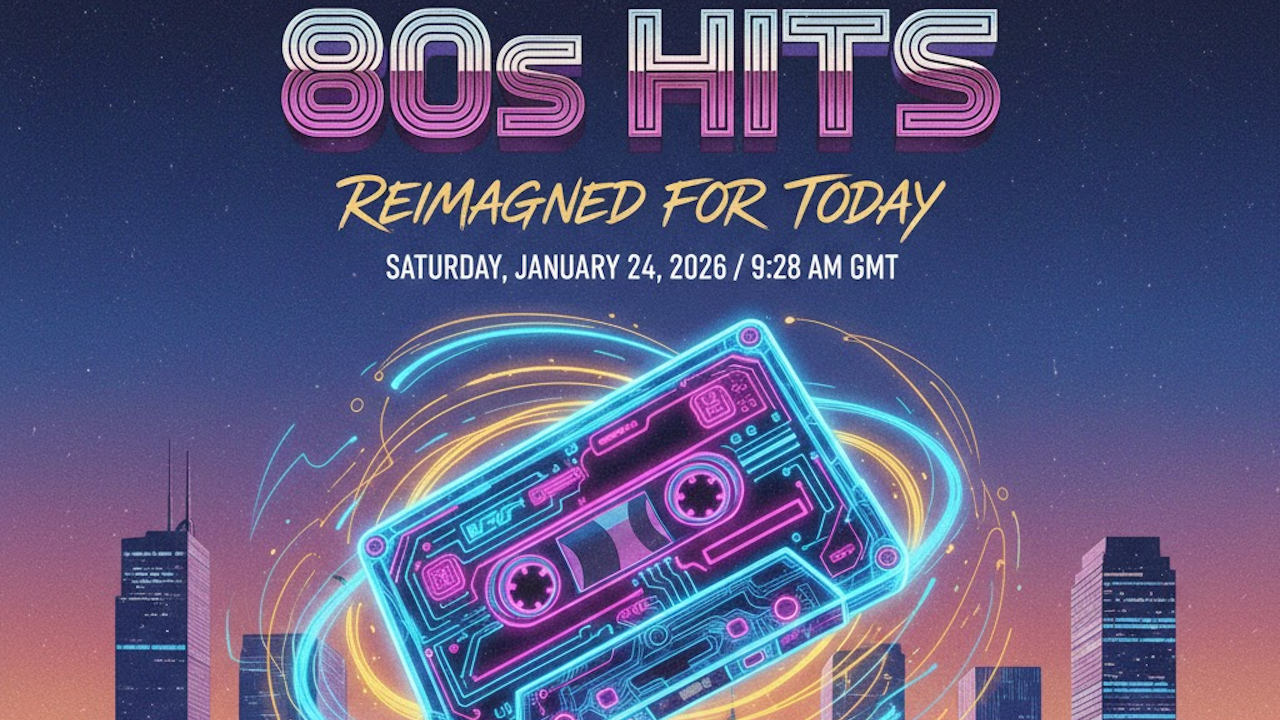
The music of the 1980s continues to echo through contemporary culture with remarkable vitality. Synthesizer driven melodies, bold production choices, and emotionally direct songwriting from that era have proven remarkably adaptable. Artists, producers, filmmakers, and platforms now reinterpret these tracks for new generations through covers, sonic homages, media placements, and digital trends. The result is a vibrant dialogue between past and present where classic songs gain fresh relevance without losing their core appeal.
One of the most dramatic demonstrations of this revival occurred with Kate Bush’s “Running Up That Hill (A Deal with God)” from 1985. The original track featured intricate Fairlight CMI sampling and layered vocals exploring themes of empathy and personal struggle. It achieved modest chart success at the time. Decades later the song experienced an extraordinary second act when it appeared in a pivotal scene in the fourth season of the Netflix series Stranger Things. The placement aligned the song’s narrative of trading places to understand another’s pain with the show’s supernatural tensions and teenage characters facing overwhelming odds. Streams surged dramatically. The track climbed into the top five on the US Billboard Hot 100, reached the top ten in the UK, and topped charts in multiple countries. Short clips spread rapidly across TikTok, introducing the song to millions of younger listeners who had never encountered it on radio or physical media. This resurgence did not alter the recording itself. Instead it reimagined the song through new visual storytelling and algorithmic amplification, proving that context alone can transport an 80s composition into the heart of 2020s popular culture.
Similar media driven revivals have kept other 80s tracks circulating. Needle drops in period pieces or nostalgic programming often spark renewed interest. Streaming platforms then sustain that momentum by surfacing the originals alongside modern playlists. The combination of cinematic association and digital accessibility allows these songs to bypass traditional gatekeepers and reach audiences who discover them organically through entertainment rather than music discovery alone.
Beyond placement, many contemporary creators craft entirely new music that channels the sonic DNA of the 1980s. The Weeknd’s “Blinding Lights,” released in 2019 and dominant through 2020 and 2021, stands as a prime example of this approach. The track deliberately evokes the driving rhythms and crystalline synth lines associated with 80s synth pop and new wave. Producers employed emulations of classic instruments such as the Roland Juno 60 for leads and drew on drum machine patterns reminiscent of the era’s electro and dance productions. Yet the song feels unmistakably modern through its crisp digital polish, The Weeknd’s distinctive vocal layering and auto tuned inflections, and lyrics centered on nocturnal isolation and fleeting connections in an urban landscape. It became one of the most streamed songs of its period, demonstrating widespread appetite for that euphoric yet slightly melancholic 80s atmosphere updated with current pop and R&B sensibilities. The broader After Hours album expanded this aesthetic, showing how an artist could build an entire project around reimagined 80s textures while addressing themes relevant to today’s listeners. This strategy influenced other mainstream releases and helped fuel interest in the dedicated synthwave and retrowave scenes where producers create original material using the same foundational sounds.
Dua Lipa’s Future Nostalgia album similarly embraced 80s inspired disco and pop structures filtered through contemporary production techniques. Tracks featured punchy bass lines, glossy synth stabs, and dance floor energy that recalled the era’s club sounds while incorporating modern vocal processing and song structures optimized for streaming and social media consumption. These projects illustrate how the 80s template serves as both inspiration and launchpad rather than a strict template to copy.
Direct covers offer another powerful avenue for reimagining. Lorde’s 2013 version of Tears for Fears’ “Everybody Wants to Rule the World,” created for the Hunger Games: Catching Fire soundtrack, transformed the original upbeat new wave hit into something darker and more cinematic. The 1985 Tears for Fears recording carried an undercurrent of anxiety about power and control beneath its bright arrangement. Lorde’s interpretation leaned into those shadows with a brooding atmosphere, measured pacing, and her signature intimate yet expansive vocal delivery. The cover aligned perfectly with the film’s dystopian themes of rebellion and authoritarianism, giving the song new dramatic weight for a younger audience encountering it through blockbuster cinema. It highlighted how a change in vocal approach and production mood can shift emphasis from celebration to unease while preserving the song’s memorable melody and structure.
Weezer’s 2018 cover of Toto’s “Africa” provides a contrasting case of genre transplantation. The original 1982 recording blended yacht rock smoothness with world music influenced percussion and polished studio craft. Weezer delivered an alt rock rendition infused with the band’s signature geek rock energy and Rivers Cuomo’s wry delivery. What began partly as a humorous gesture evolved into a genuine hit that introduced the song to listeners who primarily followed rock radio and online communities. The cover charted strongly on rock formats, amassed hundreds of millions of streams, and sparked widespread online discussion and memes. It demonstrated how an established band’s stylistic stamp can revitalize an 80s soft rock staple for audiences who might otherwise overlook it, turning nostalgia into active engagement.
Indie and alternative artists have produced extensive series of reinterpretations that strip away or radically alter original production elements. Nouvelle Vague’s bossa nova flavored takes on 80s new wave songs such as Modern English’s “I Melt With You” replace urgent rhythms and bright synths with relaxed, tropical lounge arrangements. The result shifts the emotional register from youthful intensity to sophisticated detachment while showcasing the durability of the underlying songwriting. Other projects feature acoustic or folk inflected versions that emphasize lyrical content and vocal performance over the dense electronic textures of the originals. These approaches often appear on curated playlists and YouTube channels dedicated to reworking classic material for intimate listening or background use. They prove that strong melodies and themes can thrive when removed from their original high gloss production contexts.
Punk, ska, and metal acts have also contributed energetic reworkings. Goldfinger’s ska punk rendition of Nena’s “99 Red Balloons,” for instance, accelerates the tempo and adds aggressive guitar driven propulsion. Such versions inject new attitude and subcultural energy, appealing to fans of those genres while exposing them to the source material. Acoustic singer songwriter treatments and big band jazz adaptations further expand the possibilities, showing that 80s compositions possess structural flexibility across stylistic boundaries.
Technological evolution plays a central role in these reimaginings. Original 80s recordings relied on then cutting edge tools including analog synthesizers, early digital samplers, and drum machines that imposed distinctive sonic signatures through their limitations and quirks. Modern producers access highly accurate software emulations of those same instruments alongside vastly expanded processing capabilities. They can replicate the warm analog character or push further with pristine digital clarity, sidechain compression, and spatial effects tailored for contemporary playback systems. Remixes represent another layer of reinterpretation. Where 80s extended versions stretched tracks for club play, today’s producers create deep house, future bass, or lo fi reinterpretations that alter tempo, add modern bass weight, or optimize for short form video consumption. TikTok in particular has accelerated this process by encouraging sped up edits, chopped and screwed variations, and user generated visuals that attach new meanings to familiar choruses.
Lyrical themes from the 80s often translate directly to present day concerns. Songs addressing ambition, romantic longing, escapism, and the disorienting effects of technology retain resonance. “Running Up That Hill” speaks to desires for mutual understanding amid personal hardship in ways that align with ongoing conversations around empathy and mental health. “Everybody Wants to Rule the World” continues to evoke reflections on power dynamics and societal pressures. When recontextualized through film, social media, or altered musical settings these themes gain contemporary urgency without requiring lyric changes. In some cases modern covers subtly shift emphasis through vocal phrasing or arrangement choices, allowing new generations to project their own experiences onto the material.
Social media and streaming platforms have fundamentally altered the lifecycle of these songs. Algorithms surface 80s tracks to listeners based on engagement patterns rather than release dates. Viral challenges on TikTok frequently incorporate 80s hits through dance routines, lip sync performances, or nostalgic montages. These short form uses create entry points that drive full track streams and catalog exploration. Playlists labeled with terms like throwback, synthwave, or 80s essentials aggregate originals and covers, sustaining visibility across age groups. Global streaming further amplifies reach, allowing a UK or US 80s recording to find massive audiences in markets where it originally had limited exposure.
Critics sometimes question whether heavy reliance on nostalgia or media tie ins risks reducing complex artistic statements to background comfort or marketing tools. Purists may argue that digital emulations lack the organic imperfections of original analog recordings. Yet the evidence of sustained popularity and creative output suggests these concerns have not hindered genuine appreciation. Many reimaginings introduce listeners to deeper discographies, prompting exploration of B sides, albums, and related artists from the era. The process also encourages innovation as new creators study and adapt the techniques that made 80s music distinctive.
Live performance offers yet another dimension. Contemporary tours by legacy acts or tribute projects often update arrangements with current lighting technology, video screens, and expanded instrumentation while preserving core songs. Younger artists covering 80s material in concert bring their own stage personas and audience interactions, creating hybrid experiences that blend eras.
Looking ahead, artificial intelligence tools for stem separation, vocal synthesis, and style transfer may enable even more granular reinterpretations. Fans and creators could generate personalized versions or explore hypothetical collaborations across decades. Regardless of technological shifts the fundamental appeal remains rooted in memorable songcraft. The melodies, emotional directness, and innovative spirit of 80s hits provide sturdy foundations that reward thoughtful adaptation.
Ultimately these reimaginings affirm that great music does not belong exclusively to its original moment. Through strategic placement, faithful sonic homage, genre bending covers, production updates, and digital virality, 80s tracks continue to evolve. They offer listeners both the reassurance of familiarity and the excitement of discovery. As new artists and technologies emerge the conversation between the 1980s and today will likely grow richer, ensuring these songs remain vital parts of the musical landscape for years to come. The decade’s creative legacy proves remarkably resilient precisely because it invites perpetual reinvention.