

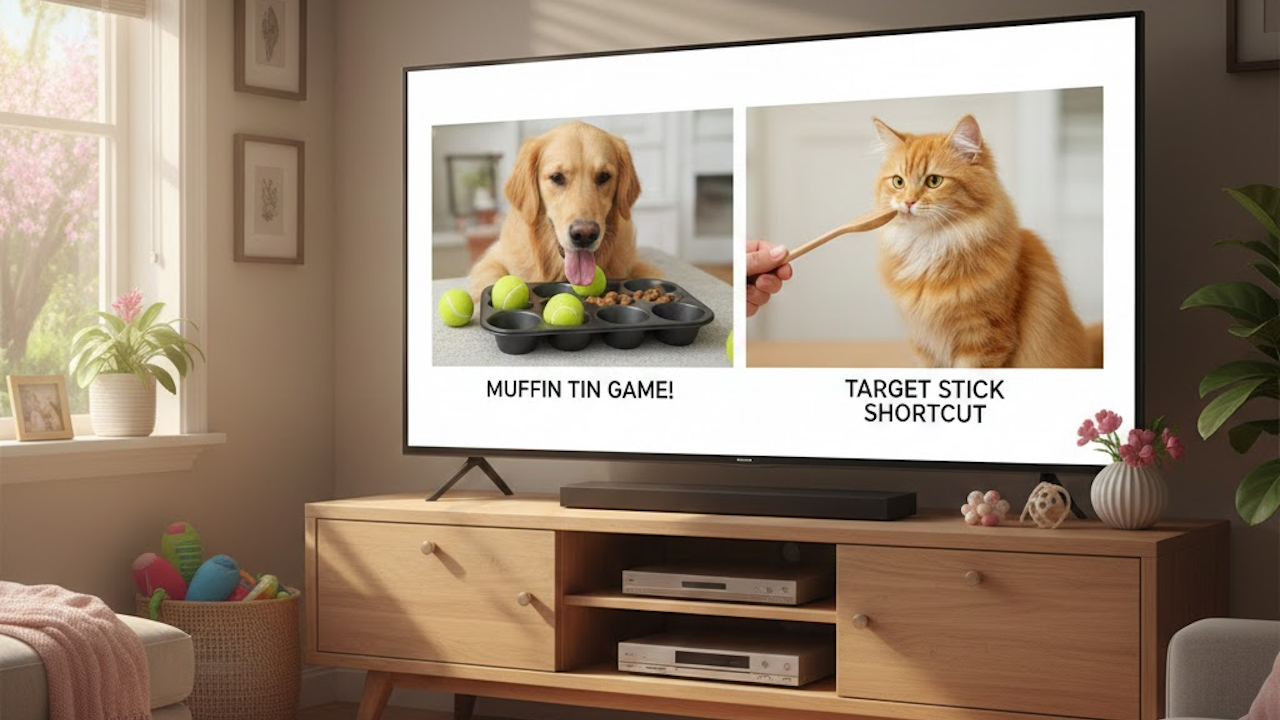
In the era of smartphones and endless scrolling, pet owners have discovered a goldmine of practical advice through online videos. Platforms like YouTube and TikTok overflow with trainers, behaviorists, and everyday owners demonstrating real results with dogs, cats, and other animals. These clips turn complex learning theory into simple, repeatable steps that anyone can follow at home. The best content focuses on positive reinforcement, clear communication, and fun rather than force or punishment. This approach builds trust, reduces stress, and delivers faster progress than older methods ever could.
Video creators break training into short, manageable pieces. A five-minute TikTok might show an instant hack for focus, while a full YouTube tutorial walks through an entire behavior from start to finish with slow-motion examples and troubleshooting. Viewers learn timing, body language reading, and how to set pets up for success. The result is a growing library of hacks that address everything from basic manners to impressive tricks and tricky behavior problems. Whether you have a new puppy, a stubborn adult dog, an independent cat, or an exotic pet, these resources adapt to different personalities and living situations.
Why Video-Based Training Works So Well
Modern pet training videos succeed because they emphasize science-backed principles in an accessible format. Positive reinforcement strengthens desired behaviors through rewards, while management prevents mistakes from becoming habits. Short daily sessions beat marathon training days every time. Consistency across all family members matters enormously, and the best videos remind viewers to read their pet’s signals and adjust accordingly. Many creators also highlight the importance of mental stimulation alongside physical exercise. Puzzle toys, training games, and trick work tire out the brain and reduce boredom-driven issues like excessive barking or chewing.
Another strength of online content is variety. You can watch multiple approaches to the same problem and pick what fits your pet and lifestyle. Apartment dwellers find hacks for limited space, while rural owners see outdoor enrichment ideas. Rescue pet videos address fear and past trauma with gentle desensitization steps. The visual nature of video makes abstract concepts concrete. You see exactly how to hold a treat, when to click or say “yes,” and how to fade prompts over time. This hands-on feel accelerates learning for both owner and pet.
Dog Training Hacks That Go Viral
Dogs appear most often in training videos, and for good reason. Their eagerness to please and quick learning make them ideal subjects for demonstrations. Popular creators share everything from foundational skills to advanced tricks, always stressing patience and reward-based methods.
Potty Training Success
House training ranks as one of the most requested topics. Effective videos stress a combination of management and immediate reinforcement. Establish a strict schedule: take puppies outside every 30 to 60 minutes during waking hours, plus right after eating, drinking, sleeping, or playing. Choose a consistent potty spot and use a happy voice plus a high-value treat the instant elimination happens there. The timing of the reward proves critical. Waiting even a few seconds weakens the connection.
Crate training serves as a powerful management tool shown repeatedly across channels. Select a crate sized so the dog can stand, turn, and lie down comfortably. Most dogs avoid soiling their sleeping area when given the chance. Pair crate time with scheduled outdoor breaks and never use the crate as punishment. For indoor accidents, enzymatic cleaners remove odors completely so the scent does not signal “this is an acceptable spot.” Some videos teach bell training as an extra communication layer. Hang bells on the door at nose height. Ring them yourself before every outing, then immediately take the dog outside. Over time the dog learns to ring the bells independently to request a trip.
Apartment or small-space owners often adapt these methods with indoor grass patches or frequent elevator rides paired with heavy praise. The core remains the same: prevent accidents through supervision and reward successes lavishly.
Leash Walking Without Pulling
Pulling turns walks into struggles for many owners. Top videos demonstrate force-free solutions that work for any age or breed. Begin in low-distraction areas such as inside the house or a quiet yard. A front-clip harness or head halter gives better control without pain or force. The moment the leash tightens, stop walking or turn and head the opposite direction. Wait for slack, then mark the moment with a click or verbal “yes” and deliver a treat. This teaches that pulling stops forward progress while loose leash walking earns movement and rewards.
Another engaging technique featured in short clips is the airplane game. Hold a treat in one outstretched hand with arms wide like wings. Your dog must focus on you rather than the environment to earn the reward. Practice during walks to keep attention high and reduce reactivity. Many trainers also recommend being more interesting than the surroundings by changing pace, direction, or offering occasional treats for eye contact. Long-line practice in safe areas builds reliable recall alongside loose leash skills. Progress happens fastest when you set realistic expectations and celebrate small improvements.
Impressive Tricks from Popular Tutorials
Trick training videos turn everyday dogs into performers while strengthening focus and coordination. Start with luring: hold a treat at nose level and guide the dog into position. For “spin,” move the treat in a small circle and mark the full rotation. Add a verbal cue only after the behavior is reliable. “Bow” involves luring the front end down while the rear stays up. “Shake” begins by gently lifting a paw and rewarding the action.
Advanced tutorials showcase creative behaviors such as hugging, mirroring your movements, turning lights on or off with a paw, or jumping through hoops. One popular series demonstrates “play dead,” “roll over,” and even “army crawl.” Keep sessions to five or ten minutes and always end on a success. Use a clicker for precise timing or a consistent verbal marker. Fade treats gradually once the behavior is solid, replacing them with praise, play, or life rewards like going through a door. These tricks provide mental exercise and deepen the bond through shared success.
Tackling Barking, Chewing, and Separation Anxiety
Common behavior issues receive extensive coverage. Excessive barking often signals boredom, fear, or attention seeking. Videos suggest identifying the trigger first, then teaching an incompatible behavior such as “quiet” paired with rewards for calm silence. Provide puzzle toys and training games to occupy the mind. For window barking, block the view or teach a “leave it” cue.
Destructive chewing usually stems from teething, anxiety, or lack of outlets. Redirect to appropriate toys and praise the right choice. Management prevents practice of the wrong behavior. Rotate toys to maintain interest.
Separation anxiety appears in many heartfelt videos. The solution involves gradual desensitization and counter-conditioning. Begin with tiny absences of just seconds while offering a stuffed Kong or long-lasting chew. Only increase duration when the dog stays relaxed. Create positive associations with departures rather than dramatic goodbyes. Crate training helps some dogs feel secure. Severe cases benefit from professional guidance, and videos often stress that punishment worsens anxiety. With consistent, patient work, many dogs overcome the issue and enjoy alone time comfortably.
Cat Training Hacks from Clicker Experts
Cats once seemed untrainable to many owners, but clicker training videos have changed that perception. Cats learn quickly when sessions stay short, rewards are meaningful, and pressure stays low. The same positive methods used with dogs translate beautifully to felines.
Litter Box Bliss
Litter box problems frustrate owners yet respond well to simple environmental tweaks shown in countless clips. Provide one more box than the number of cats, placed in quiet, low-traffic spots with easy access. Many cats prefer uncovered boxes and fine, unscented clumping litter. Scoop daily and perform a full clean weekly. If accidents occur outside the box, schedule a veterinary check first to rule out medical causes. Then reduce stress through extra vertical space, pheromone diffusers, and separated resources in multi-cat homes. Never punish, as this increases hiding and fear. Some videos demonstrate litter box training for kittens using consistent placement and gentle guidance.
Redirecting Scratching
Scratching serves natural purposes but can ruin furniture. Effective videos teach redirection rather than punishment. Supply multiple scratching posts of varied textures and angles, both vertical and horizontal. Place them near favorite sleeping spots and high-traffic areas. When your cat uses the right surface, mark the moment and offer a treat or play session. For unwanted scratching, calmly redirect with a wand toy or physically move the cat to the post. Some owners use temporary soft nail caps while training progresses. Regular nail trims also reduce damage. The goal is to make the appropriate surface more rewarding than the couch.
Fun and Useful Feline Tricks
Clicker training unlocks surprising abilities in cats. Begin with target training: teach your cat to touch a finger or target stick for a click and treat. Use the target to lure a “sit” by raising it slightly above the head. “High five” develops by presenting your palm and clicking when the paw touches it. “Lie down” follows naturally from sit by lowering the target. Other demonstrated tricks include jumping through a hoop, fetching small toys, or standing on hind legs for an “up” cue.
These activities provide enrichment, reduce boredom, and improve cooperation during handling or vet visits. Carrier training appears in many practical videos: gradually pair the carrier with treats and short positive experiences so travel becomes less stressful. Keep all sessions brief and respect your cat’s independent nature. End every session on a win to maintain enthusiasm.
Training Hacks for Other Pets
Birds, rabbits, and small exotics also benefit from video-inspired methods. Parrots and other birds respond beautifully to target training with a stick. This teaches step-up, recall, and simple tricks while building trust through positive reinforcement. Use favorite foods as rewards and keep sessions short.
Rabbits can master litter box habits with consistent placement and rewards for correct use, much like cats. Harness training allows safe outdoor time when introduced gradually with positive associations. Ferrets and other small animals learn through clicker training to come when called, navigate simple obstacles, or perform cute tricks. Always research species-specific needs and consult an exotic veterinarian before beginning any training program. The core principles remain the same across animals: clear communication, immediate rewards, and respect for individual learning pace.
Essential Tools and Mindset from the Pros
Successful training depends on the right equipment and attitude. A clicker or consistent verbal marker provides precise feedback. High-value treats, cut into tiny pieces, allow frequent rewarding without excess calories. Harnesses, long lines, puzzle feeders, and flirt poles add variety and engagement. Many videos recommend starting with management tools like baby gates or playpens to set pets up for success.
The winning mindset appears repeatedly across top content. Patience and consistency outperform perfection. Short, daily sessions produce better results than occasional long ones. Celebrate small wins and avoid frustration when progress slows. Read body language to prevent overwhelm. Every pet learns differently, and what works for one may need adjustment for another. Professional trainers often remind viewers that training builds relationship first and skills second.
Common Pitfalls to Avoid
Videos frequently address mistakes that slow progress. Inconsistent cues confuse pets, so choose one verbal or hand signal per behavior and stick with it. Over-relying on treats without gradually fading them can create dependency, though heavy initial reinforcement builds strong habits. Punishing mistakes, even with mild corrections, damages trust and increases fear according to modern science-based trainers.
Ignoring management leads to repeated errors that become habits. Rushing through training stages causes setbacks. Always prepare the environment and choose good timing. If progress stalls, revisit earlier steps or consult a certified positive reinforcement professional. The best videos encourage owners to enjoy the process rather than fixate on speed.
Transforming Your Pet Through Video-Inspired Hacks
Online training videos have made expert guidance available to every pet owner willing to invest time and patience. By applying these practical hacks, from structured potty schedules and loose-leash techniques to clicker tricks and gradual anxiety work, you can raise a happier, more confident companion. The journey strengthens your bond and adds joy to daily life. Start small, stay consistent, and keep sessions fun. Whether your goals are basic good manners or impressive performances, the resources exist and the results speak for themselves. Every successful video begins with one small step taken today. Your pet is ready to learn when you are ready to guide with kindness and clarity.