

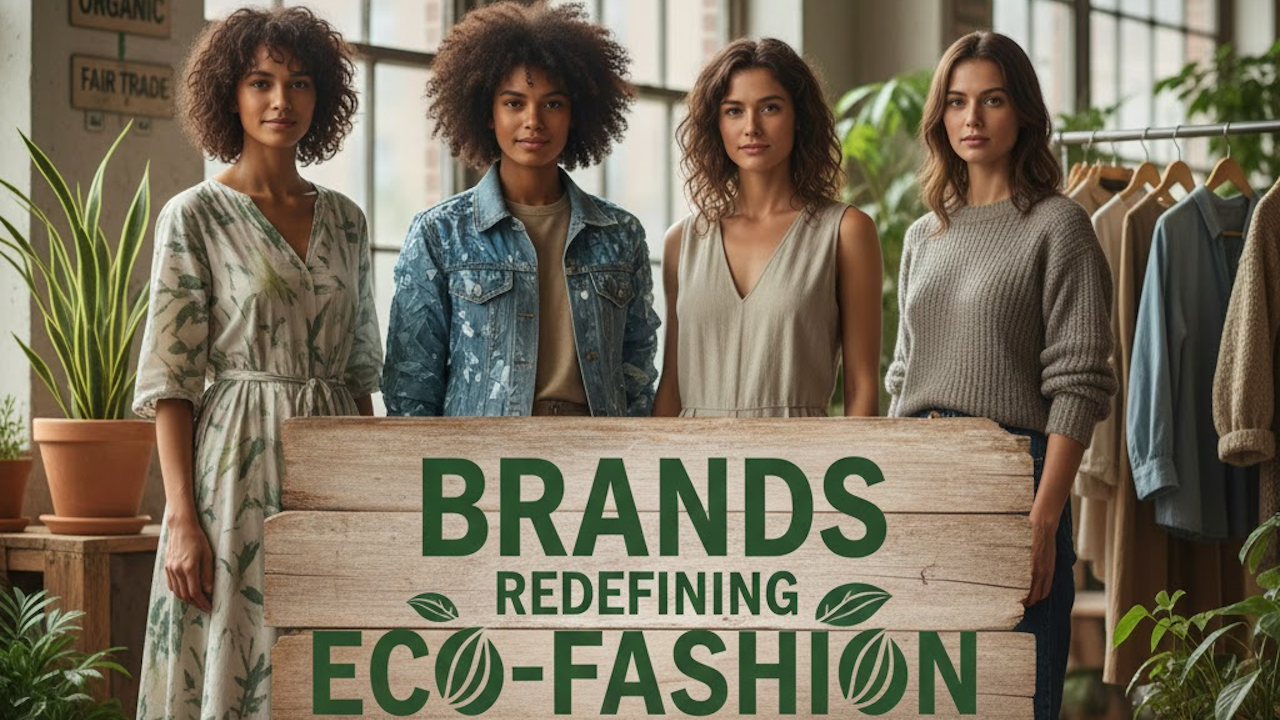
The fashion industry has long been one of the world’s most resource-intensive sectors, responsible for significant environmental impacts including high water consumption, textile waste, and carbon emissions. However, as consumer awareness grows and regulatory pressures mount, a wave of innovative brands is stepping up to redefine eco-fashion. These companies are moving beyond superficial claims to implement genuine sustainable practices, such as using recycled materials, embracing circular models, adopting regenerative agriculture, and prioritizing transparency. In 2025, eco-fashion is no longer a niche; it represents a practical, honest approach to style that balances aesthetics with responsibility.
This shift is driven by several key trends. Brands are increasingly focusing on water-saving techniques, zero-waste patterns, and traceable supply chains. Technology, including blockchain for verification, plays a crucial role in ensuring authenticity. Circular economy principles, like resale, repair, and recycling programs, are gaining traction, helping extend garment lifespans and reduce landfill contributions. Materials innovation is at the forefront, with recycled polyester, organic cotton, and biodegradable alternatives becoming standard. As we explore leading brands, their efforts highlight how eco-fashion can be stylish, durable, and impactful.
Patagonia: The Enduring Leader in Environmental Activism
Patagonia stands as a benchmark for eco-conscious outdoor apparel. Founded decades ago with a commitment to the planet, the brand continues to lead in 2025 by prioritizing recycled and regenerative materials. A significant portion of its products incorporates recycled polyester from plastic bottles and organic cotton certified under regenerative standards. Patagonia has expanded its Worn Wear program, encouraging repairs, resale, and recycling to keep items in circulation longer.
The company’s transparency is exemplary, with detailed impact reports covering emissions reductions and supply chain ethics. In recent years, Patagonia has joined initiatives like the Zero Emission Maritime Buyers Alliance to tackle shipping pollution. By donating profits to environmental causes and suing for planetary protection, Patagonia proves that profitability and purpose can coexist. Its durable, timeless designs appeal to adventurers and everyday wearers alike, showing that high-performance gear need not compromise the environment.
Stella McCartney: Luxury Redefined Through Cruelty-Free Innovation
Stella McCartney has long championed vegetarian and sustainable luxury fashion. In 2025, the brand remains at the forefront with groundbreaking material innovations, including plant-based feathers, plastic-free alternatives like Mirum, and seaweed-derived fibers such as Kelsun. Committed to net-zero emissions by 2040, McCartney avoids PVC entirely and incorporates regenerative organic cotton.
The brand’s runway collections demonstrate that sustainability enhances creativity rather than limiting it. Collaborations and advancements in vegan leathers and recycled contents in iconic bags underscore its holistic approach. McCartney’s influence extends industry-wide, pushing for conscious cotton sourcing and ethical practices without animal-derived materials. For consumers seeking elegant, high-end pieces, this brand offers proof that luxury can align fully with eco-principles.
Reformation: Chic Sustainability for the Modern Wardrobe
Reformation has built a reputation for trendy, feminine designs that prioritize environmental responsibility. In 2025, the brand emphasizes recycled materials and low-impact production, with collections featuring Circulose, a pulp derived from recycled cotton textiles. Certified carbon neutral and aiming for climate positive status, Reformation publishes detailed sustainability reports tracking progress.
Its focus on transparency includes environmental impact metrics per garment, helping consumers make informed choices. Reformation incorporates deadstock fabrics and efficient manufacturing to minimize waste. The brand’s accessible price points and stylish basics, from dresses to denim, make eco-fashion approachable for a broad audience. By blending California cool with rigorous standards, Reformation attracts those who want fashion-forward looks without the guilt.
Puma and Adidas: Sportswear Giants Embracing Circularity
Major sportswear brands like Puma and Adidas are making substantial strides in eco-fashion. Puma’s Vision 2030 targets climate action, circularity, and labor rights, with significant carbon footprint reductions achieved through innovative materials. Adidas, highly searched for sustainable options in 2025, incorporates recycled ocean plastics and aims for non-fluorinated alternatives across products.
Both brands invest in resale platforms and take-back schemes, extending product lifecycles. Their scale allows widespread adoption of recycled polyester and ethical sourcing. For active lifestyles, these companies offer performance gear that supports planetary health, proving large corporations can drive systemic change.
Eileen Fisher: Timeless Pieces in a Circular System
Eileen Fisher focuses on renewable and circular fashion, with its Renew platform facilitating take-back, resale, and recycling. In 2025, the brand diverts traffic to resale efforts, keeping garments out of landfills. Using organic and low-impact fabrics, Eileen Fisher designs minimalist, versatile pieces meant to last generations.
Its commitment to small-batch production and ethical labor reinforces a slow-fashion ethos. Consumers appreciate the brand’s repair services and buy-back credits, fostering loyalty through practicality.
Everlane and Quince: Accessible Ethics for Everyday Essentials
Everlane and Quince democratize sustainable fashion with transparent pricing and eco-materials. Everlane’s ReNew line uses recycled plastic bottles for outerwear, while Quince offers cashmere and silk at affordable rates with plastic-free packaging. Both prioritize ethical factories and recycled contents, making basics like jeans and tees widely available.
Their direct-to-consumer models reduce markups, aligning cost with conscience.
Emerging Innovators: Finisterre, Knowledge Cotton Apparel, and More
Smaller brands like Finisterre, specializing in ocean-inspired wear with recycled nylon, and Knowledge Cotton Apparel, using GOTS-certified organics, exemplify niche excellence. Unisex labels and regenerative cotton users further diversify options.
The Future of Eco-Fashion: Challenges and Opportunities
While progress is evident, challenges persist, including scaling innovations and combating greenwashing. Regulations like the EU’s Ecodesign rules push accountability. Consumers play a vital role by choosing quality over quantity, supporting resale, and demanding transparency.
In 2025, brands redefining eco-fashion demonstrate that style and sustainability are compatible. From pioneers like Patagonia to innovators like Stella McCartney, these companies inspire a wardrobe that respects the planet. By supporting them, individuals contribute to a more responsible industry, where fashion enhances rather than depletes our world. The movement toward honest, practical eco-fashion is here to stay, offering hope for a greener future.