

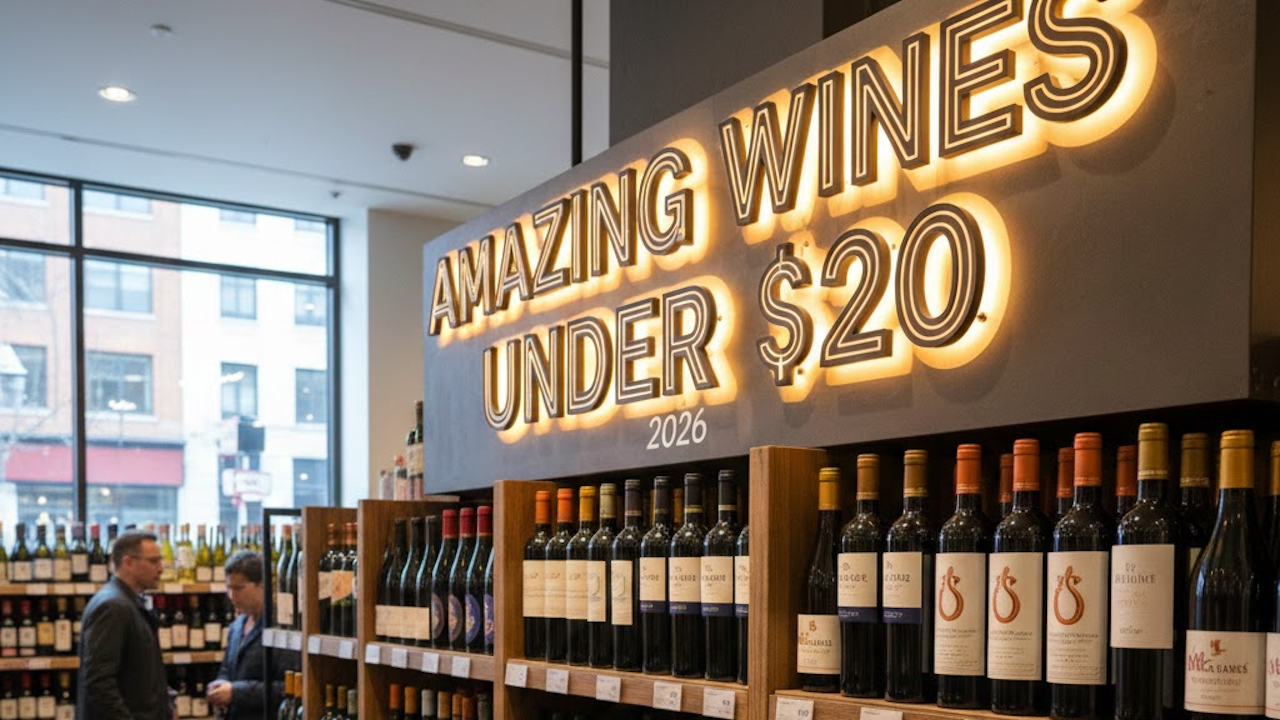
In 2026, drinking well on a budget is not a compromise. The global wine market has continued to reward curious drinkers who look beyond famous labels and fashionable regions. Advances in viticulture, better distribution, and a renewed focus on value have made it easier than ever to find expressive, well made wines for under $20. From classic European appellations to overlooked New World regions, affordable wine has never been more exciting.
One of the strongest categories remains Southern Europe. Spain continues to be a powerhouse for value, especially in regions that prioritize tradition over hype. Garnacha from Campo de Borja and Calatayud delivers ripe red fruit, spice, and freshness at prices that feel almost frozen in time. Many producers focus on old vines and minimal intervention, which adds depth without adding cost. Rioja also remains accessible at the entry level, particularly joven and crianza styles that emphasize bright fruit and gentle oak rather than extended aging.
Portugal is another standout. The country’s indigenous grapes offer distinctive flavors that feel refreshing in a global market full of familiar varieties. Red blends from the Douro and Alentejo often combine richness with balance, showing dark berries, herbs, and subtle earth. Vinho Verde has evolved as well. While it is still known for light, spritzy whites, more serious bottlings made from Alvarinho and Loureiro now deliver texture and complexity while staying comfortably under $20.
Italy continues to reward exploration. While top Barolo and Brunello remain expensive, regions like Abruzzo, Puglia, and Sicily shine at lower price points. Montepulciano d’Abruzzo offers dark fruit, soft tannins, and versatility at the table. In Sicily, Nero d’Avola and Frappato capture sunshine and Mediterranean character without heaviness. Etna Rosso, once a bargain secret, has edged upward in price, but carefully selected producers still release entry wines under $20 that reflect volcanic soils and mountain freshness.
France remains viable for value if you know where to look. The Languedoc has matured into one of the most reliable sources of affordable quality. Red blends based on Grenache, Syrah, and Carignan provide structure and savory complexity that often rivals more famous regions. In the Loire Valley, Muscadet and Chenin Blanc continue to overdeliver. Dry Chenin from Anjou or Saumur offers acidity, minerality, and aging potential that feel like a steal in 2026.
Eastern Europe has gained momentum as both consumers and importers seek new stories. Hungary, Romania, and Bulgaria now appear more frequently on retail shelves. Hungarian Furmint stands out as a white wine that balances citrus, stone fruit, and firm acidity. Bulgarian reds made from Mavrud or international varieties show restraint and freshness rather than excess oak. These wines often appeal to adventurous drinkers who want something different without spending more.
In the New World, value has shifted away from the most famous regions toward emerging areas. In the United States, Washington State remains a leader for quality under $20. Riesling, Chardonnay, and Cabernet Sauvignon from Washington often show clarity and balance at prices that California struggles to match. In California itself, value still exists if you avoid prestige appellations. Central Coast blends, Mendocino reds, and Lodi grown old vine Zinfandel can be excellent buys.
South America continues to deliver consistency. Argentina has expanded beyond Malbec, though the grape remains a strong option. Look for high elevation vineyards in Uco Valley that produce wines with freshness and structure. Chile, after a period of stylistic transition, is once again exciting. País, Cinsault, and Carignan from Maule and Itata show restraint, acidity, and sense of place, often at remarkably low prices.
South Africa deserves special mention in 2026. The country has refined its identity around balance and terroir expression. Chenin Blanc remains the star, offering apple, pear, and mineral notes with impressive texture. Red blends and Syrah from Swartland and surrounding regions provide savory depth without heaviness. Many of these wines remain under $20 due to favorable exchange rates and efficient production.
What defines amazing wine under $20 in 2026 is not luxury or power. It is character, balance, and honesty. These wines reflect where they come from and what they are meant to be. They are made to be opened on a weeknight, shared with friends, and paired with real food. For drinkers willing to explore and ask questions, the rewards are abundant. Affordable wine is no longer about settling for less. It is about discovering more.