

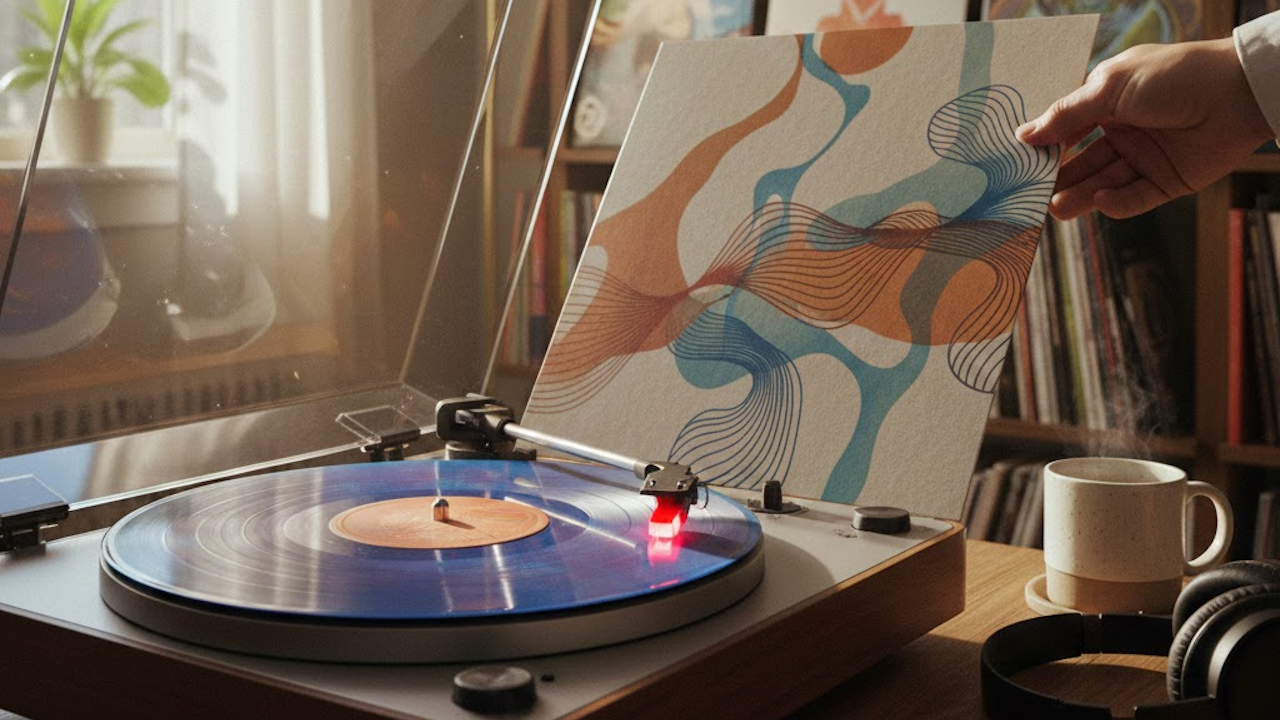
The familiar crackle as the needle settles into the groove. The deliberate act of lifting the tonearm and flipping a heavy slab of vinyl to side two. These small rituals have returned to living rooms, bedrooms, and apartments across the country and around the world. What was once dismissed as a relic of the past has become one of the most resilient and surprising stories in modern music consumption. Vinyl records are not merely surviving in the streaming era. They are thriving.
Industry figures confirm the scale of the comeback. According to the Recording Industry Association of America, vinyl music sales in the United States reached $1.04 billion in 2025, marking the first time the format crossed the billion-dollar threshold in this century. Unit sales climbed to approximately 48.5 million LPs and EPs, representing the nineteenth straight year of growth. Vinyl now consistently outsells compact discs in units sold, a reversal that would have seemed impossible just two decades ago. While streaming still dominates overall music revenue, vinyl has carved out a meaningful and expanding physical presence that shows no sign of fading.
This resurgence is not a niche hobbyist fad. It reflects deeper shifts in how people relate to music, to ownership, and to the act of listening itself. From Gen Z buyers discovering the format for the first time to longtime collectors expanding their libraries, vinyl offers something that pixels on a screen and compressed audio files cannot replicate. The reasons are varied, yet they all point to a fundamental human desire for connection, intention, and tangibility in an increasingly intangible world.
The Numbers Tell a Story of Steady Momentum
The decline of vinyl was steep and seemed final. By the mid-2000s, annual sales had fallen below one million units in the United States. Compact discs and then digital downloads had taken over. Record pressing plants closed. The format appeared headed for museums and garage sales. Yet a slow reversal began in the late 2000s. Independent artists and labels kept the flame alive. Record Store Day, launched in 2008, created annual excitement around exclusive releases and turned shopping for records into an event.
Growth accelerated dramatically in the 2010s and 2020s. Sales moved from roughly 2.8 million units in 2010 to more than 11 million by 2015. By 2020 the format had already surpassed CDs in units for the first time in decades. The trajectory continued upward even through global disruptions. In 2024 sales reached 43.6 million units. The following year added another meaningful jump. Projections from multiple industry analysts suggest continued expansion through at least 2035, with premium and limited editions helping drive higher dollar values even if unit growth moderates slightly.
What makes these figures remarkable is the context. Total recorded music revenue in the United States sits around $11.5 billion, with the vast majority coming from streaming subscriptions. Vinyl represents a small slice in percentage terms, yet it is the only physical format showing consistent, robust growth. Compact disc sales continue to decline. The cassette revival remains tiny by comparison. Vinyl has become the default physical music purchase for a growing segment of consumers who want more than a monthly playlist.
Tactile Pleasure and Visual Storytelling
One of the strongest drivers is the simple pleasure of holding something real. A vinyl record arrives in a twelve-inch sleeve featuring artwork that can be examined up close, read, and displayed. Gatefold jackets open to reveal additional images or lyrics. Inner sleeves sometimes include liner notes that provide context and personality. Colored vinyl, picture discs, and variant pressings turn each release into a distinct object. These elements transform music from background audio into something that occupies physical space and demands attention.
Gen Z buyers, in particular, have embraced this dimension. Many first encounter artists through streaming platforms or social media, then seek out the physical edition as a way to deepen the relationship. They describe vinyl as offering authenticity in an age when so much feels ephemeral and algorithmically generated. The act of unboxing a new record, examining the packaging, and placing it on the turntable creates a sense of ownership and intention that a digital library cannot match. Social media amplifies the appeal. Photos of record collections, turntable setups, and listening sessions circulate widely, turning the hobby into a visible lifestyle choice.
This tactile and visual dimension also appeals to older listeners who remember the format from earlier eras. For them, vinyl represents a return to a more deliberate way of engaging with albums as complete artistic statements rather than collections of individual tracks. The large format forces consideration of sequencing, artwork, and overall presentation in ways that tiny phone screens and endless scroll interfaces do not.
The Distinct Character of Analog Sound
Sound quality remains a central part of the conversation, even if opinions differ on the technical details. Many listeners report that vinyl delivers a warmer, more natural, and more dynamic presentation. The analog signal path, the physical interaction between stylus and groove, and the absence of heavy compression can produce a sense of space and presence that feels more musical to trained ears and casual listeners alike.
Surface noise and occasional imperfections, far from being deal breakers, often add character. A faint crackle at the beginning of a side or the gentle whoosh between tracks can enhance the feeling of listening to a living performance rather than a perfect digital file. Audiophiles invest in high-end turntables, cartridges, and speakers to extract maximum detail, while casual fans simply enjoy the overall presentation on more modest equipment.
Digital formats can achieve greater measured accuracy and dynamic range on paper. Yet the way many albums are mastered for vinyl, combined with the ritual of focused listening, often results in a more satisfying experience for those who value emotional impact over clinical perfection. The format encourages playing an entire album from start to finish, which aligns with how many artists still intend their work to be heard.
Packaging, Variants, and the Joy of Collecting
Limited editions and special packaging have become powerful sales drivers. Artists and labels release multiple color variants, deluxe box sets with posters or books, and numbered pressings that sell out quickly. These exclusives create urgency and reward dedicated fans. Record Store Day exclusives in particular generate long lines and secondary market activity, even as critics sometimes question whether the model prioritizes hype over accessibility.
Collecting itself provides satisfaction. Building a library of physical records creates a visible record of musical taste and personal history. Shelves filled with albums become a form of self-expression. Some collectors focus on specific genres, eras, or pressing plants. Others chase complete discographies or rare pressings. The secondary market for used vinyl remains robust, offering both affordable entry points and opportunities for serious investment in high-demand titles.
This collecting impulse stands in contrast to the streaming model, where libraries exist as data rather than objects. A digital playlist can vanish with a service change or account issue. A vinyl collection endures as long as the owner maintains it. That permanence carries emotional weight for many people.
The Ritual of Focused Listening
Perhaps the most profound appeal lies in the forced intentionality of the format. Playing a record requires several deliberate steps: selecting the album, removing it from the sleeve, cleaning the surface if desired, cueing the needle, and sitting with the music for the duration of a side. There is no easy skip button or shuffle function. The experience encourages full-album listening and discourages the fragmented attention common in other formats.
In an era of constant notifications, infinite scrolling, and background music consumption, this slowness feels restorative. Many listeners describe vinyl sessions as a form of mindfulness or digital detox. The music receives undivided attention, and the listener receives the reward of deeper engagement. The physical boundaries of a record, roughly twenty minutes per side for many albums, create natural pauses for reflection that streaming rarely provides.
This ritual also fosters community. Friends gather for listening sessions. Record clubs organize around shared purchases and discussions. Online forums and local meetups allow enthusiasts to trade recommendations and stories. The format turns passive consumption into an active, social practice.
Artists, Exclusives, and Direct Fan Connection
Major artists have played a significant role in normalizing and accelerating the revival. Taylor Swift has been particularly influential, with multiple albums selling hundreds of thousands of vinyl copies in their first weeks. Her 2025 release reportedly moved over a million units on vinyl in the opening week alone, shattering previous records. Other high-profile acts across pop, rock, hip-hop, and indie genres regularly issue vinyl editions, often with exclusive variants sold through independent stores or direct-to-fan channels.
For artists, physical sales frequently provide better per-unit revenue than streaming royalties. Fans who buy vinyl often feel they are supporting musicians more directly. Limited editions and signed copies create additional connection points between artist and audience. Some releases include download codes or streaming access, bridging the physical and digital worlds without forcing a choice.
Reissues of classic albums also fuel interest. High-quality remasters on heavyweight vinyl attract both longtime fans and new listeners exploring influential recordings. The format keeps important cultural artifacts in circulation and introduces them to younger generations in a compelling package.
Record Stores as Cultural Anchors
Independent record stores have benefited enormously from the resurgence. Many locations that struggled during the digital transition now report steady or growing foot traffic. These shops function as community hubs where people discover new music, attend in-store performances, and connect with like-minded listeners. Staff recommendations carry weight in an age of algorithmic suggestions.
Record Store Day has evolved into a major annual event, with hundreds of exclusive releases and celebratory activities. While the model has drawn some criticism for creating artificial scarcity, it undeniably brings attention and revenue to physical retail. Many stores have expanded beyond records into related merchandise, books, and events, diversifying their offerings while staying true to their core identity.
The survival and growth of these stores matter beyond commerce. They preserve a physical infrastructure for music discovery and conversation that online platforms cannot fully replace. In many towns and cities, the local record shop remains one of the few remaining third places where people can browse, linger, and talk without immediate commercial pressure.
Bridging Worlds Rather Than Replacing Them
Vinyl has not displaced streaming, nor is it likely to. Most vinyl buyers also maintain streaming subscriptions. The formats serve different purposes. Streaming offers convenience, discovery, and portability. Vinyl provides depth, ownership, and focused experience. Many listeners move fluidly between the two, using streaming to explore and vinyl to savor.
Modern turntables often include Bluetooth or USB outputs, allowing easy integration with existing speaker systems or digital workflows. Some releases pair vinyl with high-resolution digital downloads. The ecosystem has adapted to meet consumers where they are rather than demanding an all-or-nothing commitment.
This complementarity explains much of the format’s resilience. Vinyl does not need to win a zero-sum battle against digital. It simply needs to continue offering distinct value, which it demonstrably does for a growing audience.
Challenges and the Path Forward
Growth has not been without friction. Pressing capacity struggled to keep pace during peak demand years, leading to longer wait times and occasional quality issues. New plants have opened and existing facilities have expanded, but supply chain dynamics remain a consideration. Environmental concerns around PVC production have prompted some experimentation with recycled materials and alternative compounds, though progress is gradual.
Pricing can also present barriers. Premium pressings and limited editions carry higher costs that not every fan can absorb regularly. The used market helps mitigate this, as does the continued availability of standard black vinyl editions at more accessible price points. Industry participants continue working to balance exclusivity with broader availability.
Looking ahead, the trajectory appears positive. Younger buyers are entering the market in meaningful numbers. Artists across genres continue to prioritize vinyl releases. Technological improvements in both playback equipment and manufacturing processes are making the format more approachable and reliable. As long as vinyl continues to deliver tangible, emotional, and aesthetic rewards that digital alternatives do not, demand should remain strong.
A Deeper Connection Worth Preserving
The return of vinyl records represents more than nostalgia or retro aesthetics. It reflects a broader cultural correction toward intentionality, ownership, and sensory richness in how people engage with art. In a world saturated with instant access and disposable content, the deliberate pace and physical presence of a spinning record offer something grounding and human.
Whether someone buys their first record out of curiosity sparked by a favorite artist’s limited edition or adds to a collection built over decades, the experience connects them to music in a way that feels substantive. The needle traces its path, the speakers fill the room, and for those twenty or so minutes, the focus narrows to sound, texture, and presence.
Records are spinning back into style because they satisfy needs that have not disappeared with technological progress. They provide beauty, ritual, community, and connection. As long as those qualities matter to listeners, vinyl will continue to find new audiences and new reasons to keep turning. The groove is deep, and the story is far from over.