

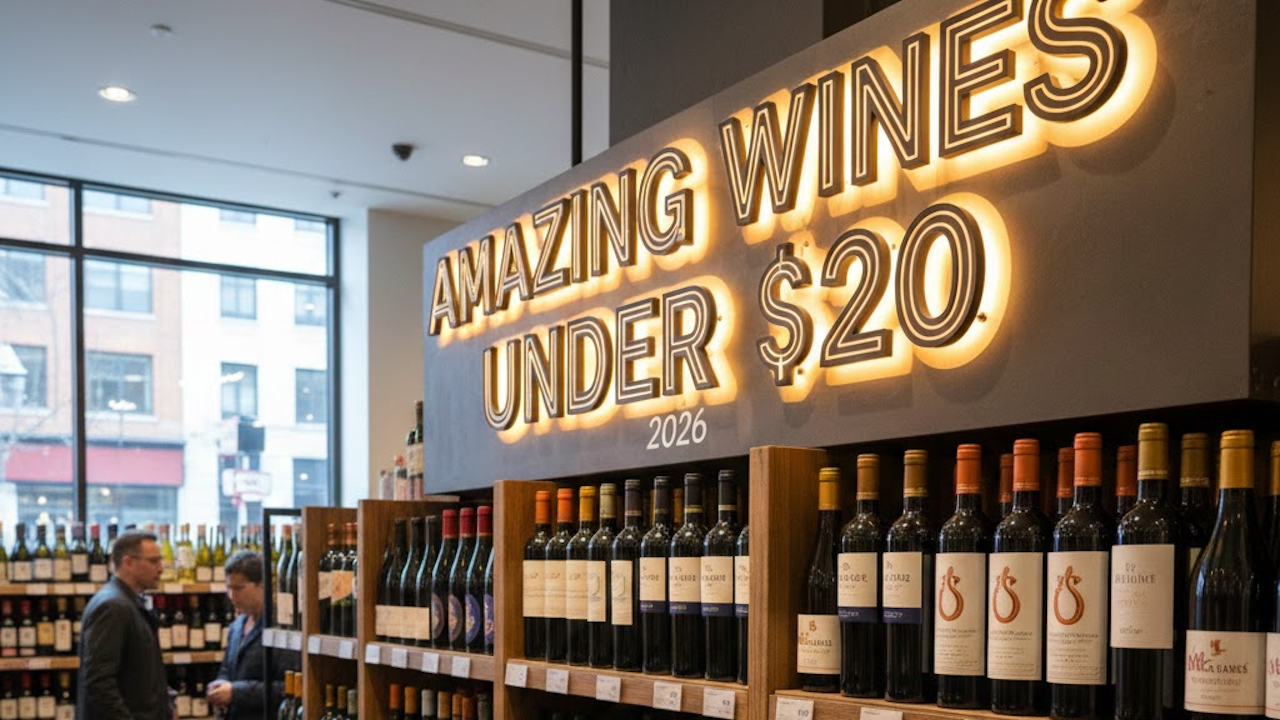
In 2026, the cost of nearly everything continues to climb. Groceries, fuel, dining out, and even basic household goods demand more from the average budget than they did a few years earlier. Wine has not escaped this trend. Premium bottles from famous regions often sit well above previous price points, and many everyday drinkers have noticed the shift on store shelves. Yet one of the enduring truths of the wine world remains intact: excellent, distinctive, and genuinely enjoyable bottles can still be found for less than twenty dollars.
The sweet spot for value has long hovered between fifteen and twenty dollars. In this range, producers with solid vineyard holdings, careful winemaking, and lower land or labor costs can deliver wines that outperform their price tags. Regions with favorable climates, efficient production, and less aggressive marketing often lead the way. Southern France, Spain, Portugal, southern Italy, Chile, Argentina, and parts of Australia continue to offer some of the most reliable bargains. Newer sources such as Romania and certain pockets of Eastern Europe have also begun to appear more frequently on value lists.
This article surveys the landscape of remarkable wines under twenty dollars available in 2026. It focuses on widely distributed styles and regions rather than fleeting single-vintage rarities, so readers can walk into a well-stocked shop or browse an online retailer with a clear sense of what to seek. Prices vary by market and retailer, but the categories and producers highlighted here routinely appear below the twenty-dollar mark.
Red Wines That Deliver Serious Pleasure
Red wines under twenty dollars have never been more interesting. Many of the best examples come from grapes and regions that once sat in the shadow of more famous neighbors. They reward curiosity and pair easily with weeknight meals as well as weekend gatherings.
Start with Côtes du Rhône Rouge from southern France. Typically a blend of Grenache, Syrah, and Mourvèdre, these wines offer juicy red fruit, dried herbs, and a gentle peppery spice. Good examples sit between ten and sixteen dollars and deliver the savory, sun-warmed character that more expensive Châteauneuf-du-Pape bottles chase at three or four times the cost. They shine with roasted chicken, lamb, or tomato-based stews.
Beaujolais-Villages provides another French classic at a friendly price. Made from Gamay, these wines from the better villages of Beaujolais show bright cherry, cranberry, and floral notes with a silky texture. Serve them lightly chilled. They cost twelve to eighteen dollars and offer the kind of pure fruit and low tannin that makes them ideal for picnics, charcuterie, or simple grilled meats. Serious village-level Beaujolais often tastes like a far more expensive red Burgundy.
Pinot Noir remains difficult at low prices, yet Chile and Romania have stepped up. Chilean versions from cooler coastal or southern areas deliver cherry fruit and earthy freshness for ten to sixteen dollars. Romanian Pinot Noir has improved steadily and often shows similar lightness and elegance. Both avoid the thin, overly sweet character that plagues many budget Pinots from warmer climates.
Spain continues to be a treasure chest. Old-vine Garnacha from Calatayud, Campo de Borja, or Cariñena delivers ripe raspberry, strawberry, and warm spice for eight to fifteen dollars. These wines frequently match the depth of French Grenache blends that cost twice as much. Monastrell from Jumilla offers something darker and richer: black fruit, chocolate, and soft tannins from old vines grown in hot, dry conditions. Bottles regularly fall between eight and fourteen dollars and feel generous without heaviness.
Italy supplies several everyday heroes. Montepulciano d’Abruzzo remains one of the country’s best values, with dark cherry, plum, and gentle tannins at eight to fourteen dollars. Nero d’Avola from Sicily brings black cherry, Mediterranean herbs, and a warm, generous texture. Producers such as Cusumano, Planeta, and Tasca d’Almerita bottle excellent examples in the nine-to-sixteen-dollar range. From Puglia, Primitivo (the same grape as Zinfandel) arrives jammy and spicy, full of dark fruit and dried herbs, usually for nine to sixteen dollars.
Portugal’s Douro Valley reds deserve more attention. Blends of Touriga Nacional, Tinta Roriz, and Touriga Franca offer structure, dark fruit, and complexity for ten to eighteen dollars. What you receive at this price often rivals French or Italian wines costing forty dollars or more. The country’s undervalued status continues to work in the consumer’s favor.
From the New World, Argentine Malbec from Mendoza remains a crowd-pleaser. High-altitude vineyards produce rich plum, dark chocolate, and violet aromas with smooth tannins. Quality bottles cost ten to eighteen dollars. Chilean Carménère provides a different profile: red fruit, a touch of green pepper, and smoky notes, also in the ten-to-sixteen-dollar band. Australian Shiraz from Barossa or McLaren Vale delivers bold blackberry, pepper, and chocolate for similar money, benefiting from efficient farming and a strong domestic market that keeps export prices reasonable.
These reds share a common virtue. They are made for drinking rather than cellaring, yet they rarely feel simple or industrial. Look for recent vintages and producers who emphasize vineyard sources rather than heavy oak or residual sugar.
White Wines Full of Freshness and Character
White wines under twenty dollars excel at refreshment and food pairing. The best avoid the bland, neutral profile that once defined the budget category.
Albariño from Rías Baixas in Spain stands out. These coastal wines offer citrus, stone fruit, and a saline mineral edge that pairs beautifully with seafood. Many excellent bottles cost twelve to eighteen dollars. Producers such as Martín Códax consistently deliver reliable quality. Portuguese Alvarinho from the same grape family provides a slightly rounder alternative at similar prices.
Austrian Grüner Veltliner continues to impress. Everyday examples from Niederösterreich or other Lower Austria areas show crisp green apple, white pepper, and bright acidity for twelve to eighteen dollars. They make ideal aperitifs and handle everything from salads to Asian-inspired dishes. Higher-quality single-vineyard versions sometimes stretch the budget, but solid village-level wines stay well under twenty dollars.
Sauvignon Blanc from Marlborough, New Zealand, remains a benchmark for aromatic intensity. Expect passion fruit, gooseberry, and zesty citrus. Good bottles fall between twelve and eighteen dollars. Chilean Sauvignon Blanc from cooler coastal areas offers a leaner, more mineral style at slightly lower prices. Both outperform many more expensive New World examples.
Other white options expand the range. Quality Pinot Grigio from northern Italy, particularly from Collio or other thoughtful producers, has improved. Look for versions with more texture and less neutrality. Muscadet from the Loire Valley, made from Melon de Bourgogne, delivers bone-dry, saline freshness ideal with oysters or light seafood, often for under fifteen dollars. South African Chenin Blanc and certain Australian Rieslings also appear regularly in the value category, bringing stone fruit or lime and petrol notes depending on the style.
These whites reward being served properly chilled. Their high acidity and moderate alcohol make them versatile across seasons and cuisines.
Sparkling Wines That Feel Celebratory
Sparkling wine under twenty dollars no longer means settling for something thin or overly sweet. Traditional-method and tank-method options both deliver pleasure.
Spanish Cava leads the traditional-method category. Made primarily from Macabeo, Xarel·lo, and Parellada in the Penedès region, good Cava offers fine bubbles, citrus, apple, and a touch of yeast or brioche from lees aging. Entry-level bottles start around eight to twelve dollars. Reserva examples with longer aging climb to fourteen to twenty dollars and develop more complexity. Reliable names include Segura Viudas Brut Reserva, Freixenet Cordon Negro Brut, Anna de Codorníu Classic Brut, and smaller producers such as Avinyó Organic Brut Reserva or Parxet Brut Reserva. These wines handle aperitifs, seafood, and light cheeses with ease.
Italian Prosecco from the Veneto provides a different experience: frothy, floral, and fruity with green apple, pear, and white flowers. DOC versions cost ten to fourteen dollars, while Superiore DOCG from Conegliano Valdobbiadene reaches fourteen to twenty dollars and often shows more intensity and minerality. They excel in casual settings and cocktails.
French Crémant offers further alternatives. Crémant de Loire, Crémant d’Alsace, Crémant de Bourgogne, and Crémant de Limoux all use traditional methods and local grapes. Prices typically range from twelve to twenty dollars. Expect apple, pear, citrus, or floral notes with fine, persistent bubbles. These wines frequently deliver more elegance than their price suggests.
Dry Lambrusco from Emilia-Romagna and certain German Sekt made from Riesling round out the options for those seeking red sparkling or higher-acid white styles, both available well under twenty dollars.
Rosés and Additional Discoveries
Dry rosés under twenty dollars have become widely available and consistently better. Provence-style pale rosés from southern France remain popular, but Spanish and Italian versions often provide equal refreshment at lower cost. Look for bottles with crisp strawberry, citrus, and herbal notes rather than residual sweetness. They pair with summer salads, grilled vegetables, and light seafood.
Other pleasant surprises include certain Portuguese whites and reds beyond the Douro, Greek Assyrtiko when priced accessibly, and South American blends that emphasize freshness over extraction. Exploring these lesser-known categories often yields personal favorites that feel more distinctive than mass-market brands.
Practical Advice for Finding and Enjoying Value Wines
Success with wines under twenty dollars depends on a few practical habits. Shop at retailers with knowledgeable staff or strong selection rather than relying solely on the lowest shelf price. Independent wine shops and larger specialty chains often stock the better examples from the regions discussed here. Online retailers can expand access, but check recent reviews and shipping costs.
Pay attention to vintage when it matters. Cooler years can produce fresher, more balanced wines in warmer regions. Read back labels for clues about vineyard sources or aging methods. Avoid bottles that emphasize heavy oak or high residual sugar unless that style appeals to you.
Serve wines at the right temperature. Most reds under twenty dollars benefit from a slight chill, around sixty degrees Fahrenheit. Whites and sparkling wines should be colder. Use clean glassware that allows aromas to open. Food pairing remains flexible: these wines were made for the table, not for solitary contemplation.
Keep notes on what you like. Over time patterns emerge. You may discover a preference for Spanish Garnacha, Austrian Grüner, or Portuguese reds that guides future purchases more effectively than any single recommendation.
Looking Ahead
The wine market in 2026 continues to reward exploration. Inflation has raised prices across the board, yet the gap between ordinary and excellent bottles under twenty dollars remains wide. Producers in value-oriented regions keep refining their craft, and consumers willing to look beyond the most famous names reap the benefits.
The bottles described here represent a starting point rather than an exhaustive list. Regional classics, thoughtful producers, and careful shopping combine to deliver genuine pleasure without straining the budget. Whether the occasion is a quiet Tuesday dinner or a larger gathering, remarkable wine under twenty dollars is not only possible in 2026. It is abundant for those who know where to look.