

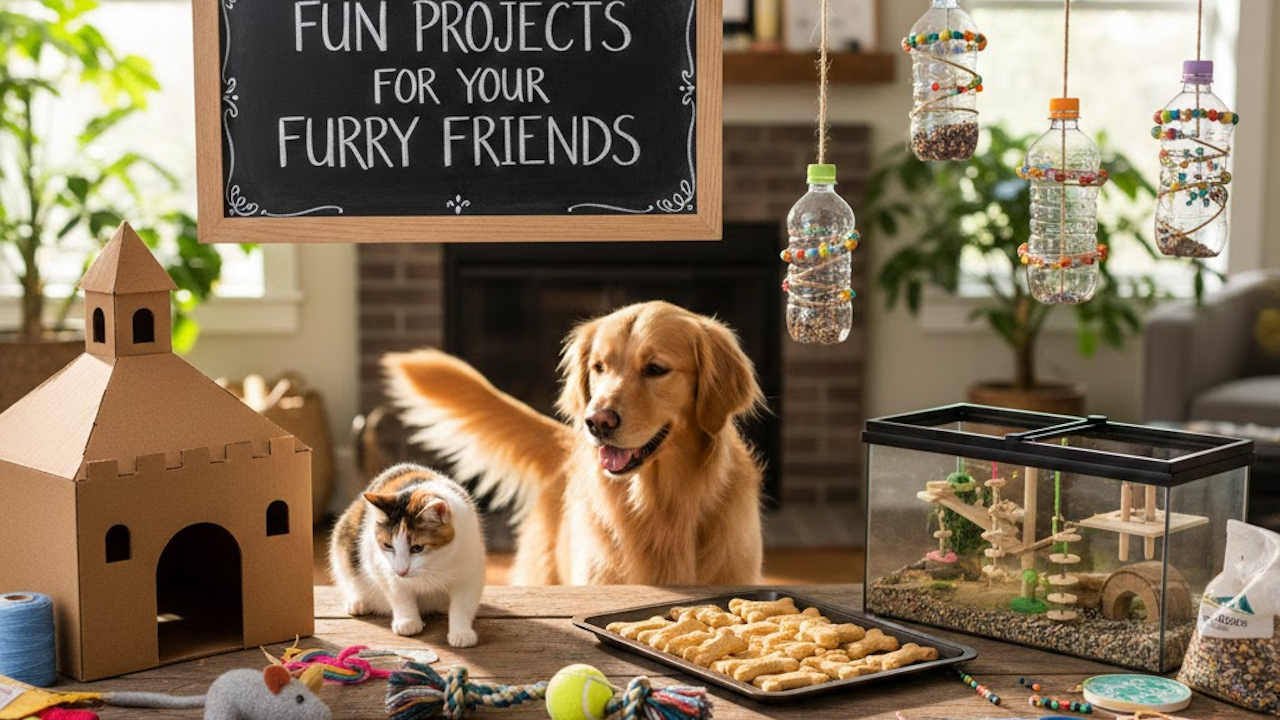
Our furry companions fill our homes with love, laughter, and unconditional affection. Yet even the happiest pets can experience boredom, anxiety, or excess energy when their days lack variety and stimulation. Engaging them in hands-on projects offers a perfect solution. These activities strengthen your bond, tap into their natural instincts, support physical health, and provide mental challenges that reduce unwanted behaviors like excessive barking or destructive chewing. The best part is that many projects use items already around the house, require minimal expense, and can be adapted for dogs, cats, rabbits, or other small furry pets of any age or energy level.
In this guide you will discover a wide range of creative ideas. Each section includes step-by-step instructions, safety reminders, variations for different pets, and tips to keep the fun going strong. Always introduce new activities gradually, watch for signs of stress or fatigue, and check with your veterinarian before offering new foods or intense exercise, especially for seniors or pets with health conditions. With a little creativity and patience, these projects will become treasured routines that brighten both your days and theirs.
DIY Enrichment Toys from Everyday Household Items
Mental stimulation ranks among the most valuable gifts you can give a pet. Foraging and puzzle toys mimic natural hunting and problem-solving behaviors, helping to tire out busy minds and prevent boredom-related issues. Many excellent options can be assembled in minutes using items destined for the recycling bin.
Start with the classic muffin tin puzzle, ideal for dogs of all sizes. Gather a standard muffin tin, several tennis balls or crumpled paper balls, and your pet’s favorite small treats. Place a treat in each muffin cup, then cover every cup with a ball or paper wad. Set the tin on the floor and watch your dog nose, paw, and nudge the covers aside to reach the rewards. This simple setup exercises their sense of smell and encourages persistence. For extra challenge, use a larger roasting pan or add layers by placing the tin inside a cardboard box with holes cut in the sides. Small dogs and puppies may need the tin elevated slightly on a low platform so they can reach comfortably. Cats can enjoy a similar version using a shallow baking dish and softer covers like fabric scraps. Always supervise the first few sessions to ensure no pieces are swallowed.
Another quick favorite is the plastic bottle treat dispenser. Choose a clean, empty water or soda bottle with a secure cap. Cut several small holes around the middle section, large enough for treats to fall out when shaken but small enough to require effort. Fill the bottle partially with kibble or small biscuits, replace the cap, and roll it across the floor. Your pet will bat, roll, and nose the bottle to release the food. This toy works wonderfully for both dogs and cats. For rabbits or guinea pigs, use a larger bottle or cardboard tube and fill it with hay or pellets instead. To increase difficulty over time, make the holes slightly smaller or add a few crumpled paper balls inside to slow the flow. Rotate this toy with others so your pet stays interested.
A snuffle mat encourages natural foraging and can be made from an old rubber doormat or thick towel with holes. Cut long strips of fleece fabric or old t-shirts into one-inch widths. Thread each strip through a hole in the mat and tie a simple knot on the underside. Continue until the entire surface is covered in a shaggy layer of fabric. Hide small treats or kibble throughout the strips. Your dog or cat must use their nose to push aside the fabric and locate the food. This activity is especially calming for anxious pets and provides excellent scent work practice. Wash the mat regularly in cold water to keep it hygienic. For a no-sew version, simply pile strips loosely in a shallow box and let your pet dig through them.
These projects require only basic supervision and can be stored easily when not in use. Rotate toys every few days to maintain novelty. If your pet loses interest quickly, make the puzzle easier at first and gradually increase the challenge as their skills improve. Always remove any small parts that could become choking hazards once the treats are gone.
Creative Fetch and Tug Toys You Can Make in Minutes
Physical play strengthens muscles, improves coordination, and deepens the connection between you and your pet. Store-bought toys often lose appeal quickly, but homemade versions can be refreshed or replaced at no cost.
A braided tug toy is one of the simplest and most durable options. Collect three long strips of sturdy fabric such as old fleece blankets, t-shirts, or towels. The strips should measure about two feet long and two inches wide. Tie the three strips together at one end with a secure knot. Braid them tightly, keeping tension even. Finish with another strong knot at the opposite end. For added strength, you can tie additional knots along the length or attach a tennis ball to one end by cutting a small slit in the ball and threading the braid through it. This toy suits both dogs and cats for games of tug or fetch. For smaller pets like ferrets or rabbits, use thinner strips and shorter lengths. Inspect the toy regularly for loose threads or fraying and replace it when wear appears. Never leave your pet unattended with any rope-style toy.
Cardboard box adventures provide endless entertainment, especially for cats and small dogs. Save sturdy boxes of various sizes from deliveries. Cut multiple holes and openings at different heights so your pet can crawl, peer, and pounce through them. Stack boxes to create towers or tunnels. Place treats or favorite toys inside to encourage exploration. For a ball pit effect, fill a large shallow box with crumpled paper or lightweight plastic balls. Your cat will dive, swat, and burrow for hours. Dogs enjoy knocking boxes over or carrying them around. To extend the fun, move the boxes to new locations each week or add scent trails by rubbing a treat along the inside surfaces. Always check that boxes are free of staples, tape residue, or toxic inks before use.
Another engaging option is a wand toy for cats or small dogs. Attach a length of sturdy string or ribbon to a wooden dowel or even a sturdy stick from the yard. Tie a feather, small stuffed mouse, or crinkly paper at the end. Wave the wand slowly at first to let your pet stalk and pounce. Vary the speed and direction to keep them engaged. This toy satisfies hunting instincts without encouraging hand biting. Store it out of reach between play sessions so it remains special. For dogs that enjoy chase games, attach a soft toy to the end instead of feathers.
These playthings promote healthy exercise while allowing you to join in the fun. Short, frequent sessions of ten to fifteen minutes often work better than long marathons, especially for puppies or senior pets. Watch body language closely. If tails wag and ears stay relaxed, your pet is having a great time. If they seem overwhelmed, pause and try again later with a simpler version.
Homemade Healthy Treats for Rewarding Good Behavior
Nothing says “I love you” quite like a fresh batch of treats made with wholesome ingredients. Homemade options let you control quality and avoid unnecessary additives. They also serve as excellent training rewards during project sessions.
Begin with peanut butter pumpkin dog biscuits, a favorite across many households. You will need two cups of whole wheat flour or a gluten-free alternative, half a cup of rolled oats, one third cup of xylitol-free peanut butter, one cup of plain pumpkin puree, one egg, and about half a cup of water or low-sodium broth. Preheat your oven to 350 degrees Fahrenheit. In a large bowl, mix the dry ingredients. In a separate bowl, combine the peanut butter, pumpkin, egg, and water until smooth. Gradually stir the wet mixture into the dry until a firm dough forms. Add a little extra flour if the dough feels sticky. Roll the dough to about half an inch thick on a lightly floured surface. Use cookie cutters to create fun shapes such as bones or hearts. Place the shapes on a parchment-lined baking sheet and bake for twenty to twenty-five minutes until firm and lightly golden. Cool completely before offering. Store in an airtight container for up to two weeks or freeze for longer freshness.
These biscuits work perfectly as high-value rewards during training or puzzle play. For variety, substitute mashed banana for pumpkin or add a pinch of cinnamon. Always introduce new treats slowly over several days to watch for any digestive upset. Portion control matters. Treats should make up no more than ten percent of your dog’s daily calories.
Cat treats can be just as simple. Try tuna oat bites using one drained can of tuna in water, one egg, half a cup of oat flour or regular flour, and a pinch of dried catnip if your cat enjoys it. Preheat the oven to 350 degrees. Mash the tuna thoroughly, then mix in the egg and flour until a sticky dough forms. Roll into small marble-sized balls or flatten slightly into disks. Place on a parchment-lined sheet and bake for twelve to fifteen minutes. Cool fully. These treats are strong-smelling and motivating for most cats. Use them sparingly during play sessions or hide them inside puzzle toys. For rabbits, offer small pieces of the same dough baked into tiny pellets, or simply provide fresh herbs and hay-based options instead.
When baking, keep the kitchen pet-free to avoid accidental ingestion of raw dough or hot items. Label all homemade treats clearly so family members know they are for pets only. If your pet has allergies or medical conditions, consult your veterinarian before trying new recipes.
Building a Simple Home Agility Course
Agility training builds confidence, improves coordination, and provides excellent physical exercise. You do not need a large yard or expensive equipment. Many effective obstacles can be created with furniture and household supplies.
Start with jumps using a broom handle or lightweight pole placed across two sturdy chairs or stacks of books. Adjust the height according to your pet’s size and fitness level. Begin with the pole on the ground so your dog or cat can simply step over it. Use treats to lure them across, then gradually raise the height as they gain confidence. For cats, very low jumps or even a series of cushions work well. Always keep jumps low enough that your pet can clear them comfortably without strain.
Create a tunnel by draping a blanket or sheet over a row of chairs placed close together. Encourage your pet to go through by placing treats at the far end or by crawling through yourself the first time to show it is safe. Brightly colored toys at the exit can also motivate forward movement. For a weave exercise, set up a line of plastic bottles, cones, or even rolled-up towels spaced about eighteen inches apart. Guide your pet in a zigzag pattern using treats held close to your body at first, then move farther away as they learn the pattern.
A pause table can be any low, stable surface such as a sturdy ottoman or overturned sturdy box. Teach your pet to jump onto the surface and hold a sit or down position for a few seconds before continuing. This builds impulse control and focus. Practice each obstacle separately before linking them into a short sequence. Keep sessions short and positive, ending on a success. Use plenty of praise and treats so your pet associates the course with fun rather than pressure.
For small pets or those with mobility concerns, focus on ground-level games such as stepping over poles or walking across a wide plank placed on the floor. Outdoor versions can incorporate natural elements like logs or gentle slopes once your pet masters the indoor course. Always check equipment for stability before each use and clear the area of hazards.
Scent Work and Nose Games for Natural Foragers
A dog’s or cat’s nose is an incredible tool that often goes underused in daily life. Scent games tap into this superpower, providing mental exercise that can tire a pet more effectively than physical activity alone.
Begin with simple hide-and-seek. Show your pet a favorite toy or treat, then hide it in an easy spot while they watch. Release them with a cheerful cue such as “find it.” As they succeed, increase difficulty by hiding items behind furniture, under cushions, or in different rooms. For cats, hide treats inside open boxes or paper bags scattered around a room. For dogs, try scattering kibble across a grassy area or snuffle mat so they must search actively.
Advanced scent detection can use small boxes or cups. Place a treat under one of several identical containers. Shuffle the containers and let your pet indicate which one holds the reward by pawing or nosing it. Start with two containers and add more as skills develop. This game builds focus and problem-solving abilities. Rabbits and other small pets enjoy similar searches through hay piles or tunnels filled with scattered pellets.
Nose games are particularly helpful for high-energy dogs that need extra mental outlets or for seniors that can no longer handle intense physical play. They also work well on rainy days when outdoor exercise is limited. Keep sessions positive and short. If your pet seems frustrated, return to easier hiding spots. Always end searches successfully so your pet feels accomplished.
Seasonal and Themed Projects to Keep Things Fresh
Changing projects with the seasons or holidays prevents routine from becoming boring and gives you new excuses to celebrate with your pet.
In warmer months, create cooling activities. Fill a shallow kiddie pool or large baking tray with a few inches of water and float waterproof toys or treats inside. Many dogs enjoy splashing and retrieving items. For cats, place a few ice cubes in a shallow dish and watch them bat the melting pieces. Frozen treats made from diluted broth or plain yogurt in ice cube trays offer refreshing rewards after play.
Winter calls for indoor cozy projects. Build a blanket fort using chairs, a table, and heavy blankets. Place soft bedding, toys, and treats inside so your pet can enjoy a private den. Add a cardboard box inside the fort for extra hiding spots. These enclosed spaces provide security and can help anxious pets feel calmer during storms or fireworks.
Holiday-themed crafts add festive spirit. Create safe paper garlands or simple fabric bandanas using pet-safe materials. For dogs, sew or tie a bandana around the neck with quick-release knots. For cats, attach a lightweight bow to a collar only if your cat tolerates it. Avoid anything with small parts, strings, or toxic dyes. Use the bandana during photo sessions or special walks to mark the occasion.
These themed projects keep engagement high year-round and create wonderful photo opportunities and memories. Rotate them so each season feels special.
Getting Started and Keeping the Fun Going Strong
The most successful pet projects share a few common traits. They match your pet’s individual personality, energy level, and physical abilities. They begin simply and grow in complexity. They always include plenty of positive reinforcement and end while your pet still wants more. Most importantly, they become shared experiences that deepen trust and affection.
Observe your pet closely during every new activity. Note what excites them most, whether it is chasing, digging, sniffing, or solving puzzles. Lean into their preferences. A toy-obsessed retriever may love fetch variations, while a food-motivated cat may prefer puzzle feeders. Adjust difficulty frequently. If a game feels too easy, add layers. If it causes frustration, simplify immediately.
Safety remains the top priority throughout every project. Choose non-toxic materials, supervise actively, and remove toys once they show wear. Provide fresh water and rest breaks. Watch for overheating, limping, or excessive panting. For pets with special needs, work with your veterinarian or a professional trainer to adapt activities appropriately.
Consistency helps too. Set aside a short daily time slot for project play, even if it is only ten minutes. Your pet will come to anticipate and look forward to this special attention. Over time you may discover that these shared moments become highlights of both your days.
Your furry friends give so much every single day. Returning the favor through thoughtful, engaging projects is one of the most rewarding parts of pet ownership. Whether you are baking a batch of biscuits, building a cardboard castle, or teaching a new game of find-it, the smiles, wags, and purrs you receive make every effort worthwhile. Start with one or two ideas that appeal to you most, gather your supplies, and invite your pet to join the fun. You will both be glad you did.