

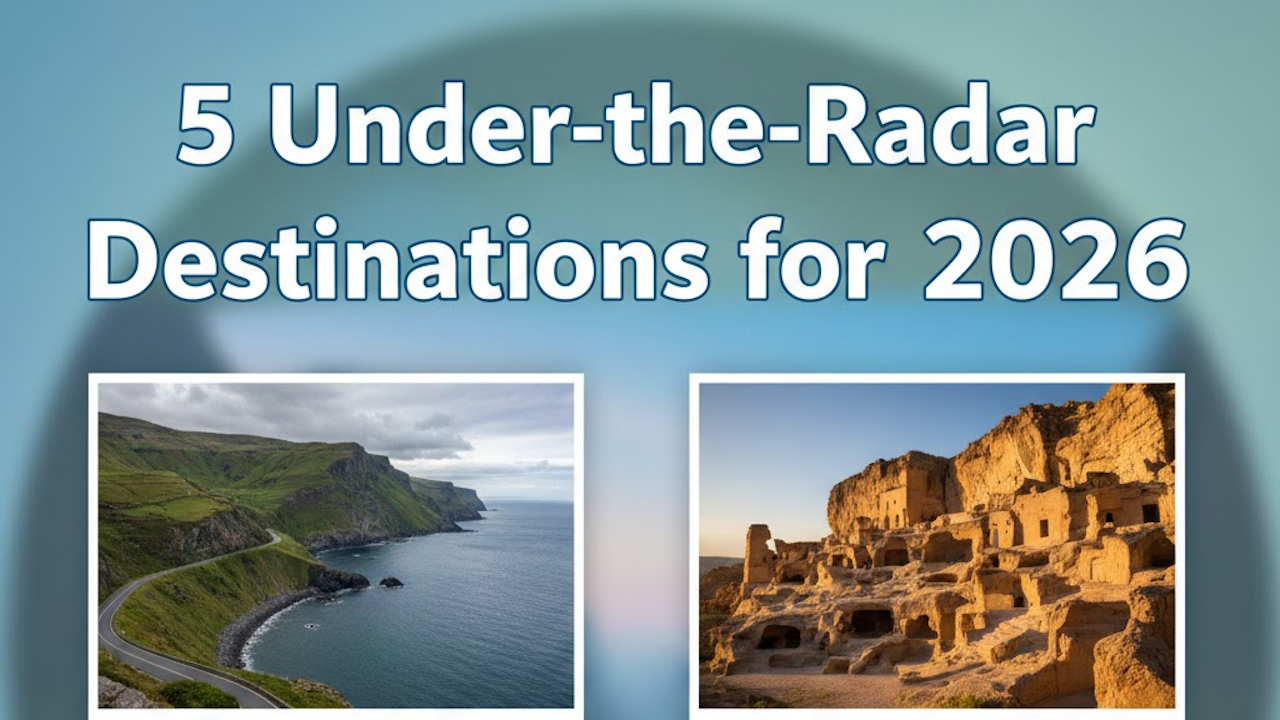
Five places are quietly gathering momentum for 2026. They are not the usual headliners and that is exactly why they are worth paying attention to. Each offers something distinctive whether it is a cultural revival, a landscape that feels untouched, or a shift in how travelers want to experience the world. What follows is a deeper look at five destinations that are likely to rise in visibility next year while still retaining the charm that makes them special.
1. Salta and the Calchaquí Valleys, Argentina
Northern Argentina has long lived in the shadow of Patagonia and Buenos Aires, yet Salta and its surrounding valleys are finally getting the recognition they deserve. The region blends Andean culture, Spanish colonial architecture, and dramatic desert scenery. Travelers can wander through Salta’s historic center with its pink cathedral and lively plazas before heading into the Calchaquí Valleys where red rock canyons and high altitude vineyards create a landscape that feels almost otherworldly.
The wine scene is a major draw. Cafayate is known for Torrontés, a crisp aromatic white that thrives in the intense sunlight and cool nights of the region. Boutique wineries offer intimate tastings and many are still family run. Beyond wine, the valleys are dotted with small villages where artisans produce textiles, ceramics, and silverwork using techniques passed down for generations. The pace is slow and the welcome is warm. For travelers seeking authenticity without crowds, Salta is poised to become a standout choice in 2026.
2. Puglia’s Quiet Interior, Italy
Puglia has been on the radar for a while, but most visitors stick to the coast. The inland towns remain remarkably peaceful even during peak season. Places like Martina Franca, Cisternino, and Locorotondo offer a different side of southern Italy. Whitewashed lanes twist through historic centers, trulli houses dot the countryside, and olive groves stretch as far as the eye can see.
What makes the interior compelling is its sense of continuity. Life here still revolves around local markets, long lunches, and seasonal festivals. Travelers can stay in masserie which are fortified farmhouses that have been converted into small hotels. Many produce their own olive oil, cheese, and vegetables. The food is rustic and deeply tied to the land. In 2026, as travelers look for slower and more grounded experiences, Puglia’s interior is likely to shine. It offers the beauty of Italy without the intensity of its more famous regions.
3. The Azores Beyond São Miguel, Portugal
São Miguel is the most visited island in the Azores, but the archipelago has eight others that remain largely untouched. Islands like Pico, Flores, and Santa Maria are gaining attention among travelers who want nature at its most dramatic. Pico is dominated by a volcanic peak that rises sharply from the sea. Its vineyards are UNESCO listed and its whale watching is among the best in the Atlantic. Flores is a paradise of waterfalls, crater lakes, and lush cliffs that feel almost tropical. Santa Maria is the sunniest island with golden beaches that contrast with the volcanic black sands found elsewhere in the Azores.
What sets the Azores apart is their commitment to sustainability. Tourism is carefully managed and development is limited. This ensures that the islands retain their wild character. In 2026, as more travelers seek destinations that balance beauty with environmental responsibility, the lesser known Azorean islands are likely to see a surge of interest. They offer solitude, adventure, and landscapes that feel almost prehistoric.
4. Oman’s Dhofar Region
While Muscat and the northern coast have long been popular, Dhofar in the south remains relatively undiscovered. Centered around the city of Salalah, the region has a climate unlike the rest of the Arabian Peninsula. During the khareef season from June to September, monsoon rains transform the landscape into rolling green hills and misty valleys. Waterfalls appear, frankincense trees release their scent, and the air becomes cool and refreshing.
Outside the monsoon season, Dhofar offers pristine beaches, archaeological sites linked to the ancient frankincense trade, and mountain villages where traditional culture remains strong. The Empty Quarter desert lies to the north with dunes that stretch to the horizon. Dhofar is ideal for travelers who want a mix of nature, history, and tranquility. With improved flight connections and growing interest in the Arabian Peninsula beyond the usual hotspots, Dhofar is set to become one of the most intriguing destinations of 2026.
5. Hokkaido’s Eastern Frontier, Japan
Hokkaido is known for skiing and winter festivals, but its eastern regions remain far less visited. Places like Kushiro, Nemuro, and the Shiretoko Peninsula offer a raw and rugged version of Japan that contrasts sharply with the country’s urban centers. Shiretoko is a UNESCO World Heritage site where brown bears roam, drift ice forms in winter, and forests meet the sea in dramatic fashion. Kushiro is famous for its wetlands which are home to the elegant red crowned crane. Nemuro offers windswept capes, seafood markets, and a sense of isolation that feels refreshing rather than remote.
Eastern Hokkaido appeals to travelers who want nature without crowds. It is also a region where indigenous Ainu culture is increasingly visible through museums, craft centers, and cultural programs. As Japan continues to diversify its tourism offerings, this part of Hokkaido is likely to attract more attention in 2026. It offers a quieter, wilder, and more contemplative side of the country.