

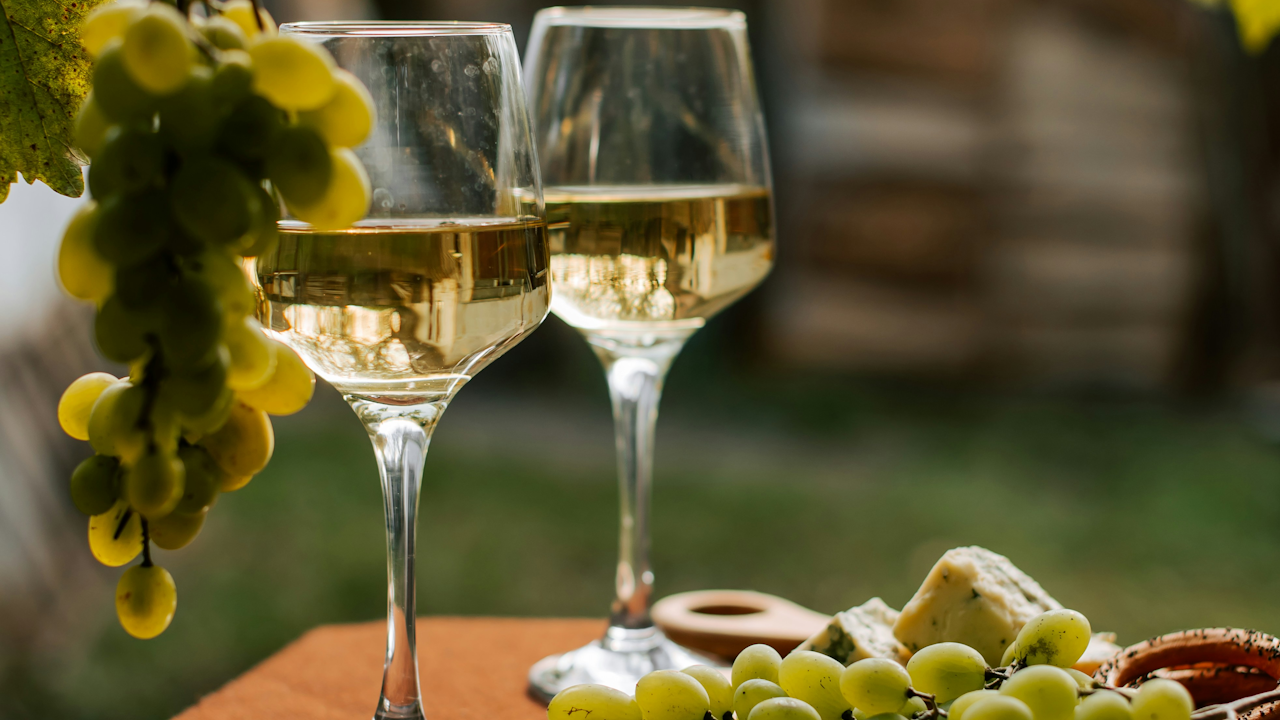
Wine and food have shared a table for centuries, creating experiences that elevate both the meal and the drink. The right pairing can transform a simple dinner into something memorable, where flavors complement, contrast, or harmonize in delightful ways. This article explores pairings that consistently deliver strong results based on classic principles, practical experience, and proven combinations. We will cover foundational rules, specific recommendations across wine styles and food categories, and tips for success at home or in restaurants.
Understanding the Core Principles
Successful wine pairings rest on a few reliable guidelines rather than rigid rules. The goal is balance. Wine should neither overpower the food nor disappear behind it.
Key considerations include:
- Body and weight: Match the intensity of the wine to the richness of the dish. Light wines suit delicate foods while full-bodied wines stand up to hearty preparations.
- Acidity: Acidic wines cut through fatty or creamy textures, refreshing the palate.
- Tannins: Tannic red wines benefit from proteins and fats that soften their grip.
- Sweetness: Sweet wines pair best with foods that have matching or contrasting sweetness to avoid clashing.
- Flavor bridges: Look for shared notes such as herbal, fruity, earthy, or spicy elements that link the wine and dish.
Temperature also matters. Serve white and sparkling wines chilled, reds slightly cool, and avoid extremes that mute flavors.
White Wines: Versatility and Brightness
White wines often prove more flexible than reds for everyday pairings due to their acidity and lower tannins.
Chardonnay works exceptionally well with creamy or buttery dishes. Pair an unoaked or lightly oaked Chardonnay with roast chicken, grilled fish, or pasta in cream sauce. The wine’s texture mirrors the food’s richness while its acidity prevents heaviness. Avoid pairing it with very spicy foods, as the oak can amplify heat.
Sauvignon Blanc shines with green vegetables, goat cheese, and seafood. Its herbaceous and citrus qualities complement asparagus, zucchini, or herb-crusted chicken. For seafood, try it with oysters, shrimp, or ceviche where the wine’s crispness enhances the brininess. New Zealand versions often have stronger tropical notes that handle mildly spicy Asian dishes like Thai green curry.
Riesling, especially off-dry styles, handles a wide range of cuisines. The slight sweetness balances spicy Thai, Indian, or Chinese dishes with chili and ginger. Dry Riesling pairs beautifully with pork chops or smoked salmon. Its vibrant acidity also makes it a strong match for sushi and sashimi.
Pinot Grigio or Gruner Veltliner offer lighter options for salads, light pastas, and delicate white fish. These wines refresh without overwhelming subtle flavors.
Red Wines: Structure and Depth
Red wines bring tannins, color, and bolder flavors that demand thoughtful matches.
Pinot Noir is one of the most food-friendly reds. Its moderate tannins and red fruit notes pair elegantly with duck, salmon, mushrooms, and earthy dishes. Try it with roasted beet salad, grilled portobello mushrooms, or coq au vin. The wine’s brightness prevents it from clashing with fish, making it a rare red that works with tuna or salmon.
Merlot excels with roasted meats and dishes with some sweetness. It complements lamb, beef stew, or pasta with tomato-based sauces. The plush texture softens with fatty cuts of meat like ribeye or braised short ribs.
Cabernet Sauvignon and Bordeaux blends stand up to grilled or roasted red meats. The firm tannins are tamed by protein and fat in steak, venison, or aged cheeses. Pair Cabernet with dark chocolate desserts for a surprising success where the wine’s bitterness meets the cocoa.
Syrah or Shiraz handles bold, spicy flavors. Australian Shiraz pairs with barbecued ribs or Korean short ribs. Northern Rhone Syrah complements game meats, olives, and herb-heavy Mediterranean dishes. The peppery notes in Syrah bridge well with black pepper-crusted steaks.
Tempranillo from Rioja or Ribera del Duero works with Spanish and Mexican cuisines. It pairs naturally with paella, grilled chorizo, or lamb kebabs. The earthy, leather notes in aged Tempranillo enhance aged cheeses and charcuterie.
Malbec from Argentina shines with grilled steaks and robust South American flavors. Its juicy dark fruit balances chimichurri sauce and roasted vegetables.
Sparkling and Rosé Wines
Sparkling wines cut through richness better than still wines in many cases.
Champagne or traditional method sparkling wines pair brilliantly with fried foods, potato chips, popcorn, and oysters. The bubbles and acidity cleanse the palate after each bite. Try brut Champagne with fried chicken or tempura for a luxurious contrast. For desserts, demi-sec styles work with fruit tarts or lighter cakes.
Prosecco offers an affordable option for brunch dishes like eggs Benedict or fruit salads. Its lighter style also suits Asian fusion cuisine.
Rosé bridges white and red territory. Dry Provençal rosé pairs with salads, grilled chicken, salmon, and Mediterranean mezze. It handles picnic foods exceptionally well. Avoid overly sweet rosés with savory meals as they can taste cloying.
Pairings by Food Category
Seafood: Crisp whites and sparkling wines dominate here. Chardonnay with lobster, Sauvignon Blanc with crab, and Muscadet with mussels. For richer preparations like tuna steak, Pinot Noir can work. Avoid heavy reds with delicate fish.
Poultry: Versatile across wines. White wines for lighter chicken dishes, Pinot Noir or lighter reds for duck or turkey with darker sauces. Riesling excels with Thanksgiving turkey and all its sides.
Red Meat: Full-bodied reds are classic. Cabernet with steak, Syrah with lamb, Zinfandel with burgers or barbecue. The fat in the meat softens tannins effectively.
Cheese: Hard cheeses like cheddar or aged Gouda pair with Cabernet or Tempranillo. Soft cheeses like Brie work with Chardonnay or sparkling. Blue cheeses shine with sweet wines such as Port or Sauternes. Goat cheese loves Sauvignon Blanc.
Pasta and Pizza: Italian reds like Chianti or Sangiovese with tomato sauces. White wines with seafood pasta. Barbera handles pizza with its bright acidity and moderate tannins.
Vegetarian and Vegan Dishes: Lighter reds or whites depending on preparation. Pinot Noir with mushroom risotto, Gruner Veltliner with vegetable stir-fries, or oaked Chardonnay with roasted root vegetables.
Desserts: Match sweetness levels. Sweet Riesling or Moscato with fruit desserts. Port with chocolate or blue cheese. Avoid dry wines with sweet foods as they will taste sour.
Spicy Foods: Off-dry or slightly sweet whites like Riesling, Gewurztraminer, or even lighter reds with some fruit forwardness. The sugar balances heat while acidity refreshes.
Common Mistakes and How to Avoid Them
Many pairing failures stem from ignoring balance. A very tannic red with a delicate fish dish often results in the wine tasting metallic and the fish overwhelmed. Similarly, a sweet wine with a savory dish can create an unpleasant clash.
Another frequent error is serving wine too warm or too cold, which distorts flavors. Reds benefit from 15-20 minutes in the fridge before serving if stored at room temperature.
Over-relying on color rules (white with white meat, red with red meat) limits options. Many modern pairings break these traditions successfully.
Practical Tips for Better Pairings
Start with what you enjoy and build from there. Taste wines and foods separately then together to notice interactions.
Consider the dominant seasoning or sauce rather than just the main protein. A lemon-herb chicken might suit Sauvignon Blanc while a creamy mushroom chicken leans toward Chardonnay.
When dining out, ask sommeliers for recommendations based on your preferences rather than the most expensive bottle. Many restaurants offer wine by the glass options for experimentation.
Keep a simple notebook of successful pairings to develop personal preferences over time. Regional matches often work well: Italian wines with Italian food, Spanish wines with tapas, French wines with French classics.
For budget-conscious pairing, many excellent value wines from Portugal, Chile, Argentina, and Eastern Europe deliver strong results without high prices.
Exploring Further
Wine pairing rewards curiosity. Once comfortable with classics, experiment with unexpected combinations such as Champagne with popcorn, Pinot Noir with sushi, or sweet wines with blue cheese. These can become new favorites.
The best pairings ultimately enhance enjoyment and conversation around the table. They highlight how centuries of agricultural and culinary traditions evolved together across wine regions.
With these guidelines and specific recommendations, anyone can create successful wine and food experiences. Focus on balance, freshness, and shared flavor elements, and the results will consistently satisfy. Whether hosting a dinner party or enjoying a quiet meal at home, thoughtful pairings turn good food into great memories.