

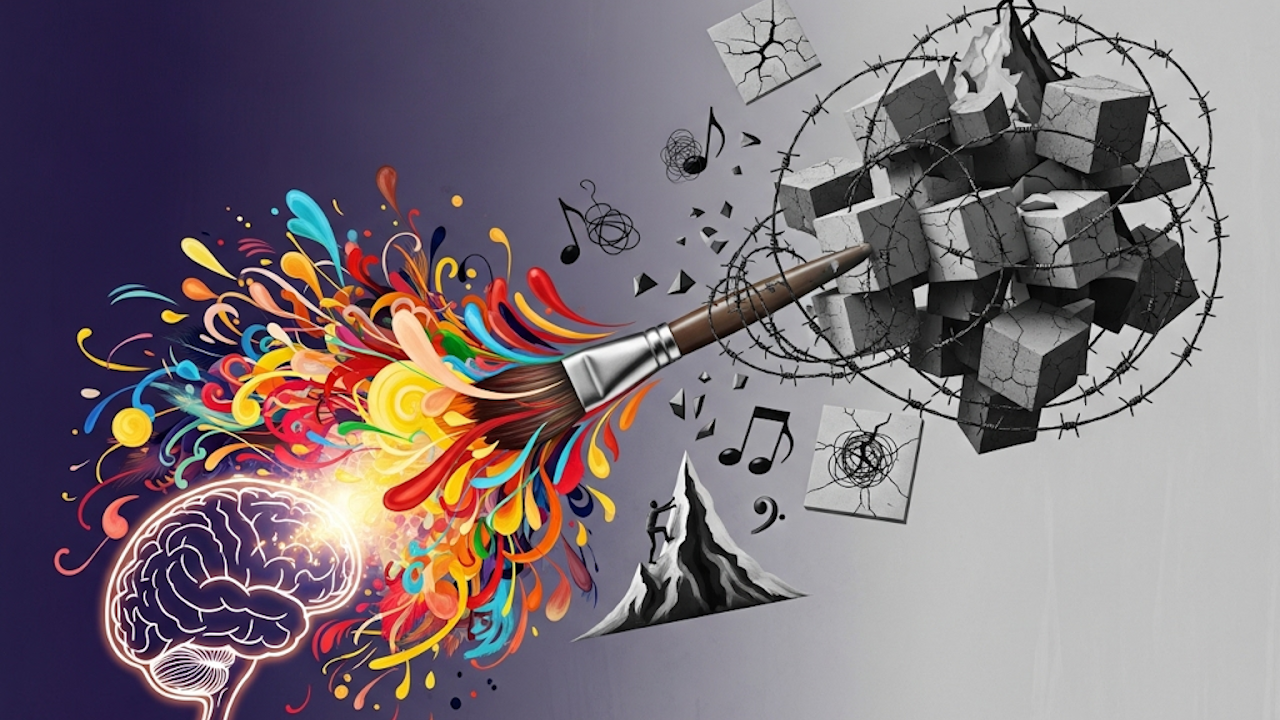
Art challenges provide a structured way to build creative habits and push artistic boundaries. Many people feel stuck in their creative routines or struggle to find time for consistent practice. A dedicated 30-day challenge addresses these issues by creating daily accountability and encouraging experimentation. Over the course of a month, participants often discover new techniques, overcome creative blocks, and develop a stronger personal style.
This article explores the value of art challenges, explains how to prepare for them, and presents several complete 30-day ideas. Each challenge includes daily prompts or themes designed to boost creativity while remaining accessible for beginners and rewarding for experienced artists. Whether you work with pencils, paints, digital tools, or mixed media, these programs offer flexible entry points.
Why Participate in a 30-Day Art Challenge
Consistency stands as the foundation of artistic growth. Sporadic practice leads to slow progress, while daily engagement builds skills through repetition and incremental improvement. A 30-day format creates momentum that often extends beyond the challenge period.
Challenges also combat perfectionism. When artists must produce something every day, they learn to embrace imperfection and focus on process rather than polished results. This shift reduces anxiety and opens space for genuine exploration.
Additionally, themed challenges introduce constraints that paradoxically spark innovation. Limited time, specific subjects, or unusual materials force the brain to solve problems creatively. Many participants report breakthroughs in color usage, composition, or conceptual thinking after completing a month-long program.
Social aspects enhance the experience. Sharing daily work on platforms like Instagram or personal sketchbooks builds community and provides external motivation. Even solo practitioners gain confidence from tracking visible progress over time.
Preparing for Your 30-Day Challenge
Success begins with realistic planning. Choose materials you already own to avoid procrastination. Set aside a consistent time slot each day, even if only 15 to 30 minutes. Prepare a dedicated workspace that requires minimal setup.
Track your work in a single sketchbook or digital folder for easy review at the end of the month. This documentation reveals patterns and growth that might otherwise go unnoticed.
Consider your current skill level and energy. Beginners might focus on observation and basic mark-making, while advanced artists could explore conceptual or experimental approaches. Flexibility matters. If one day feels particularly challenging, simplify the prompt rather than skipping entirely.
Finally, establish a support system. Tell friends or family about your commitment, or join online groups dedicated to similar challenges. Accountability partners can provide encouragement during inevitable low-motivation periods.
Challenge 1: Daily Sketching Fundamentals
This foundational challenge builds observation skills and drawing confidence through consistent practice.
Day 1: Draw your favorite mug from observation.
Day 2: Sketch three different types of leaves.
Day 3: Create a still life with kitchen items.
Day 4: Draw your non-dominant hand.
Day 5: Sketch a landscape from your window.
Day 6: Draw an everyday object upside down.
Day 7: Create a series of quick gesture drawings of people from photos.
Day 8: Sketch architectural details in your home.
Day 9: Draw fruit or vegetables cut open.
Day 10: Explore shading techniques on a simple sphere.
Day 11: Draw your reflection in a mirror.
Day 12: Sketch animals using reference photos.
Day 13: Create a detailed drawing of fabric folds.
Day 14: Draw hands in various positions.
Day 15: Mid-challenge review day. Redraw your favorite piece from the first half.
Day 16: Sketch urban scenes or street elements.
Day 17: Draw imaginative creatures combining real animals.
Day 18: Focus on texture studies with different materials.
Day 19: Create perspective drawings of interior spaces.
Day 20: Sketch portraits emphasizing facial expressions.
Day 21: Draw mechanical objects with intricate details.
Day 22: Explore negative space in composition.
Day 23: Create a series of botanical illustrations.
Day 24: Draw dynamic action poses.
Day 25: Experiment with continuous line drawing.
Day 26: Sketch emotional concepts through abstract forms.
Day 27: Draw from memory without references.
Day 28: Combine multiple previous subjects into one scene.
Day 29: Focus on dramatic lighting and shadows.
Day 30: Create a final piece that represents your growth during the challenge.
This challenge emphasizes traditional drawing skills while gradually introducing more complex concepts. Participants often notice significant improvements in accuracy and confidence by the end.
Challenge 2: Color Exploration Adventure
Color theory and emotional impact take center stage in this vibrant program. Artists may use any medium but must focus on color relationships.
Day 1: Use only warm colors in a simple composition.
Day 2: Create a monochromatic piece in blue tones.
Day 3: Experiment with complementary color pairs.
Day 4: Build a palette inspired by your favorite food.
Day 5: Paint a landscape using unusual colors.
Day 6: Focus on analogous colors for harmony.
Day 7: Create high contrast with black and bright accents.
Day 8: Explore pastel shades and soft transitions.
Day 9: Use a limited palette of three colors only.
Day 10: Draw inspiration from nature photographs.
Day 11: Create an emotional piece using color psychology.
Day 12: Experiment with neon and dark backgrounds.
Day 13: Focus on color temperature shifts.
Day 14: Mid-challenge reflection through a color wheel study.
Day 15: Recreate a master painting using your own color scheme. Day 16: Build depth through atmospheric perspective with color. Day 17: Create patterns using repeating color motifs.
Day 18: Explore metallic or iridescent effects if available.
Day 19: Use color to tell a short visual story.
Day 20: Experiment with color blocking techniques.
Day 21: Focus on skin tones and subtle variations.
Day 22: Create an abstract piece based on music.
Day 23: Use color gradients and blending exercises.
Day 24: Draw a still life with unusual color choices.
Day 25: Explore cultural color symbolism.
Day 26: Create harmony through triadic color schemes.
Day 27: Use color to emphasize mood in a portrait.
Day 28: Experiment with broken color techniques.
Day 29: Combine all learned palettes in one piece.
Day 30: Design a personal color manifesto for future work.
Artists completing this challenge frequently report greater confidence in color mixing and more intentional palette choices in subsequent projects.
Challenge 3: Mixed Media Experimentation
This challenge encourages breaking traditional boundaries by combining multiple materials and techniques.
Day 1: Combine pencil and watercolor.
Day 2: Use collage elements with ink drawings.
Day 3: Incorporate text into visual art.
Day 4: Layer markers with colored pencils.
Day 5: Add fabric scraps to paper compositions.
Day 6: Experiment with salt and watercolor effects.
Day 7: Use washi tape for geometric designs.
Day 8: Combine digital elements if using software.
Day 9: Create texture with modeling paste or household items. Day 10: Layer different paper types in one piece.
Day 11: Use coffee or tea for natural staining.
Day 12: Incorporate found objects through frottage.
Day 13: Blend oil pastels with acrylics.
Day 14: Mid-challenge exploration of new combinations.
Day 15: Create a three-dimensional element on flat paper.
Day 16: Use stamping techniques with everyday objects.
Day 17: Combine photography with hand drawing.
Day 18: Experiment with resist techniques using crayons.
Day 19: Layer transparent materials like tissue paper.
Day 20: Incorporate writing or journaling elements.
Day 21: Use metallic materials with matte finishes.
Day 22: Create a piece using only recycled materials.
Day 23: Blend wet and dry media techniques.
Day 24: Add embroidery threads if possible.
Day 25: Experiment with heat tools on suitable materials.
Day 26: Create depth through multiple transparent layers.
Day 27: Combine abstract and realistic elements.
Day 28: Use unusual tools for mark making.
Day 29: Synthesize previous techniques into complex work.
Day 30: Document your favorite mixed media discoveries.
Participants often discover unexpected favorite combinations that become part of their regular artistic vocabulary.
Challenge 4: Conceptual and Thematic Exploration
This more advanced challenge focuses on ideas rather than technical skills alone.
Day 1: Illustrate the concept of time.
Day 2: Create art about memory.
Day 3: Visualize an emotion abstractly.
Day 4: Depict change or transformation.
Day 5: Explore identity through self-portraiture.
Day 6: Interpret dreams visually.
Day 7: Create work about balance.
Day 8: Visualize sound or music.
Day 9: Address environmental themes.
Day 10: Explore cultural heritage.
Day 11: Depict conflict and resolution.
Day 12: Create art about connection.
Day 13: Visualize growth processes.
Day 14: Mid-challenge conceptual review.
Day 15: Interpret literature or poetry.
Day 16: Explore technology’s impact.
Day 17: Create work about light and shadow metaphorically.
Day 18: Visualize hope or optimism.
Day 19: Address personal challenges artistically.
Day 20: Explore patterns in nature and life.
Day 21: Create art about freedom.
Day 22: Visualize invisible forces like wind or gravity.
Day 23: Explore duality and opposites.
Day 24: Create work about community.
Day 25: Interpret philosophical concepts.
Day 26: Visualize future possibilities.
Day 27: Explore nostalgia.
Day 28: Create art about resilience.
Day 29: Synthesize major themes from the month.
Day 30: Develop a signature piece representing your journey.
This challenge particularly benefits artists seeking deeper meaning in their work.
Tips for Maximum Creative Growth
Maintain a daily journal alongside your artwork to record thoughts, challenges, and discoveries. Even brief notes provide valuable insights during review. Take progress photos or scans to document subtle improvements.
When facing creative blocks, return to basic exercises like blind contour drawing or automatic mark-making. These low-pressure activities often restart creative flow. Remember that comparison with others diminishes personal progress. Focus on your individual journey.
Consider extending successful challenges or creating hybrid versions based on what resonated most. Many artists repeat favorite challenges annually to measure growth over years.
Rest when needed. While consistency matters, burnout undermines creativity. Listen to your body and mind, adjusting intensity as required while maintaining the daily habit.
Conclusion
Thirty-day art challenges offer powerful vehicles for creative development. Through structured daily practice, artists build skills, discover new approaches, and cultivate sustainable creative habits. The specific prompts provided here serve as starting points. Feel free to adapt them to personal interests, available materials, or current artistic goals.
The most important outcome extends beyond completed artworks. Participants typically gain renewed confidence, expanded technical abilities, and deeper appreciation for the creative process itself. Commit to one challenge today, and observe how consistent small actions accumulate into significant artistic transformation over time. Your creative potential awaits activation through dedicated daily practice.