

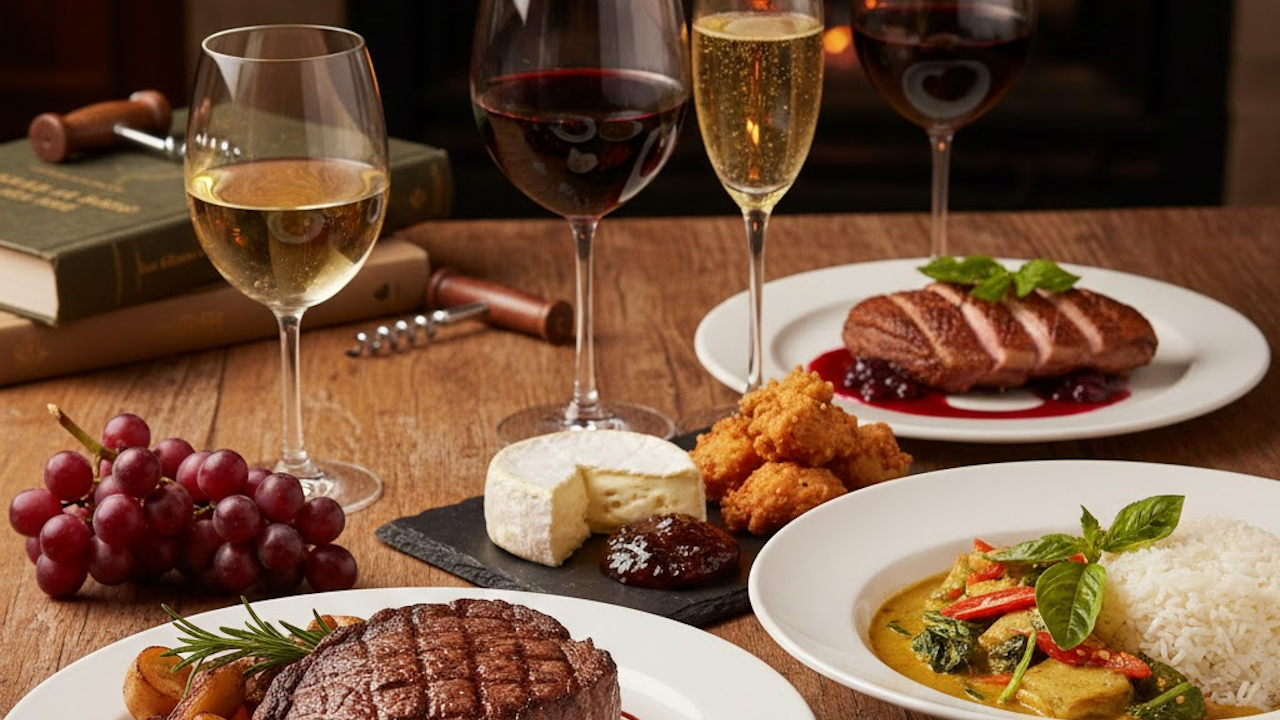
The relationship between wine and food is one of the most celebrated partnerships in culinary history. When the right bottle meets the right plate, the result is more than just a meal. It is a sensory experience where the flavors of both elements are elevated. While the world of pairing can seem intimidating, it is built on a few fundamental principles of chemistry and palate preference.
The Fundamental Principles of Pairing
At its core, wine pairing relies on two main strategies: congruent pairings and complementary pairings. Understanding these allows you to navigate any menu with confidence.
- Congruent Pairings: This approach involves matching similar flavors and textures. For example, a creamy Mushroom Risotto pairs beautifully with a buttery Chardonnay. Both the food and the wine share a rich, velvety mouthfeel, reinforcing the luxurious nature of the dish.
- Complementary Pairings: This strategy uses contrasting flavors to create balance. A classic example is pairing a salty blue cheese with a sweet Sauternes. The sweetness of the wine cuts through the salt and funk of the cheese, creating a harmonious middle ground.
Key Components: Acid, Fat, and Tannin
To master the “match made in heaven,” you must look past the labels and consider the structural components of what you are consuming.
1. Acidity
Acidity in wine acts like a squeeze of lemon on a dish. It provides brightness and cuts through richness. Wines with high acidity, such as Sauvignon Blanc or Sangiovese, are essential when eating oily or fatty foods. The acid “cleanses” the palate, ensuring that each bite feels as fresh as the first.
2. Fat
Fatty foods require a partner that can stand up to their weight. You generally have two choices: cut the fat with acidity or match it with tannins. A marbled ribeye steak is the perfect companion for a high-tannin Cabernet Sauvignon. The proteins in the meat bind with the tannins in the wine, softening the wine’s astringency while the wine helps break down the fat.
3. Sweetness and Spice
Spicy cuisine, such as Thai or Indian food, can be notoriously difficult to pair. High alcohol or heavy tannins will intensify the heat of chili peppers to an unpleasant degree. Instead, look for wines with low alcohol and a touch of residual sugar. An off-dry Riesling or a Moscato d’Asti provides a cooling effect that tames the spice.
Classic Pairings That Never Fail
If you are looking for a guaranteed success, these traditional combinations have stood the test of time for a reason.
| Wine Variety | Classic Food Match | Why it Works |
| Champagne | Triple Cream Brie or Fried Chicken | The bubbles and acid cut through the high fat content. |
| Pinot Noir | Roasted Duck or Salmon | Earthy undertones in the wine match the gaminess of the protein. |
| Sauvignon Blanc | Goat Cheese | The high acidity in both creates a zingy, fresh sensation. |
| Malbec | Barbecued Meats | The smoky, dark fruit profile complements charred flavors. |
Moving Beyond the “Red with Meat, White with Fish” Rule
While the old adage is a decent starting point, it is far from an absolute law. Modern pairing focuses more on the sauce and seasoning than the base protein.
For instance, a grilled swordfish topped with a heavy balsamic reduction and mushrooms might actually pair better with a light-bodied red like Pinot Noir than a delicate white. Similarly, a chicken piccata with a heavy lemon and caper sauce demands a high-acid white wine, even though chicken is often versatile enough for light reds.
Pro Tip: When in doubt, pair the wine with the most prominent flavor on the plate, which is usually the sauce.
Trusting Your Palate
The most important rule of wine and food pairing is that personal preference reigns supreme. Science can explain why certain molecules interact, but it cannot dictate what you enjoy. If you love drinking a heavy Shiraz with your oysters, then that is the right pairing for you. Exploration is half the fun of the culinary world.