

A radiant complexion, steady energy, and a sense of vitality often start deeper than the surface. While skincare routines and supplements receive plenty of attention, the foundation of that inner glow frequently lies in the gut. The trillions of bacteria, fungi, and other microbes that inhabit the digestive tract form a complex ecosystem known as the microbiome. When this system thrives, it supports nutrient absorption, regulates inflammation, influences hormone balance, and even communicates with the skin through what scientists call the gut-skin axis. When it falters, the effects can show up as dull skin, breakouts, fatigue, or digestive discomfort. Focusing on foods that nourish beneficial microbes offers a practical, evidence-aligned path toward better gut health and the visible vitality that follows.
Understanding the microbiome helps explain why certain foods matter so much. The gut lining acts as a selective barrier, allowing nutrients to pass while keeping harmful substances out. Beneficial bacteria produce short-chain fatty acids such as butyrate, which strengthen this barrier, calm inflammation, and support immune function. An imbalance, often called dysbiosis, can increase intestinal permeability and trigger systemic inflammation that reaches the skin, joints, and brain. Diet remains one of the most powerful levers for shaping microbial diversity. Fiber, polyphenols, fermented compounds, and specific nutrients feed the microbes that produce protective compounds, while ultra-processed foods, excess sugar, and chronic stress tend to favor less helpful species.
The link between gut health and outer appearance is not merely anecdotal. Research has connected microbial imbalances to conditions such as acne, rosacea, eczema, and premature skin aging. Inflammation originating in the gut can elevate cortisol and disrupt collagen production. Conversely, a diverse microbiome supports the production of vitamins like biotin and vitamin K, aids the absorption of minerals such as zinc and selenium, and helps regulate blood sugar, all of which influence skin clarity and elasticity. Energy levels also improve when digestion works efficiently, reducing the post-meal sluggishness that many people experience. In short, foods that feed the gut create conditions for clearer skin, stronger hair, steadier mood, and sustained energy.
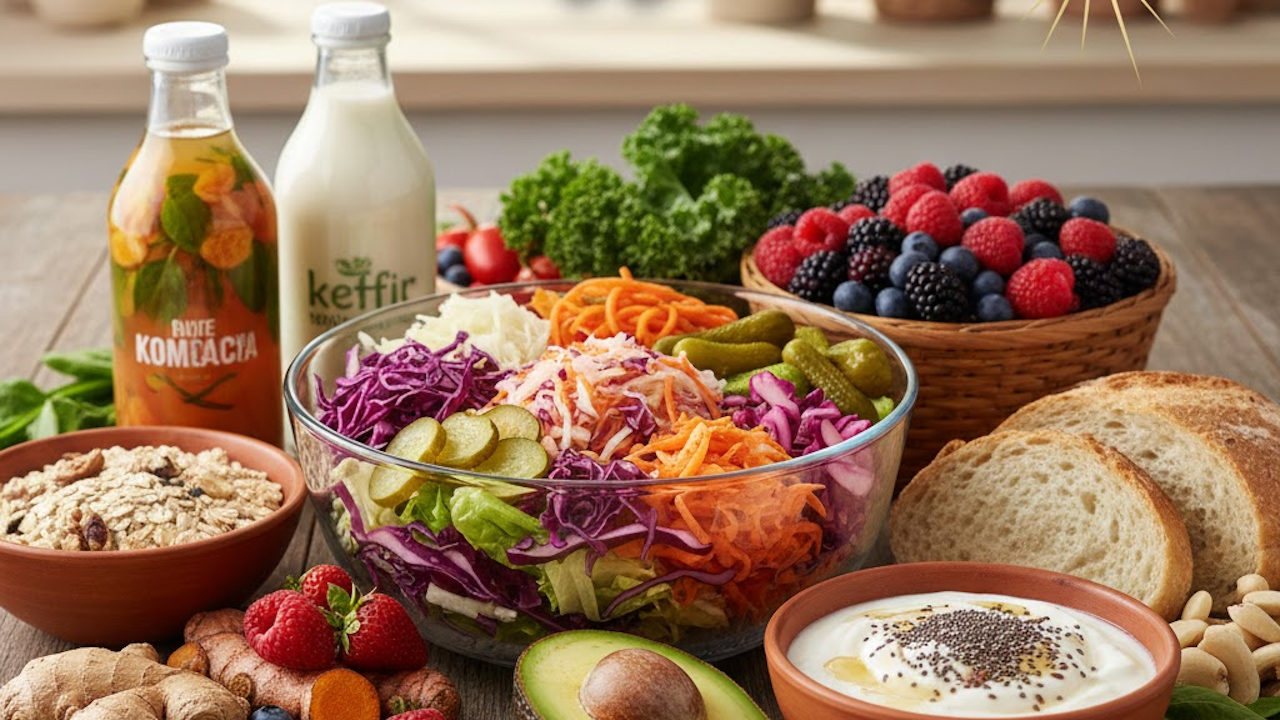
Fermented foods stand out as one of the most direct ways to introduce beneficial microbes. Yogurt with live active cultures provides strains of Lactobacillus and Bifidobacterium that can temporarily colonize the gut and support digestion. Kefir, a tangy fermented milk drink, typically contains an even wider array of bacteria and yeasts. Traditional sauerkraut and kimchi deliver lactic acid bacteria along with fiber from cabbage. Miso, made from fermented soybeans, adds probiotics plus umami flavor that works well in soups and dressings. These foods do not permanently alter the microbiome in most people, yet regular consumption has been associated with improved microbial diversity and reduced markers of inflammation. Choosing varieties without excessive added sugar keeps the benefits intact.
Prebiotic fibers serve as fuel for the microbes already present. Unlike probiotics, which introduce living organisms, prebiotics are indigestible carbohydrates that reach the colon intact and selectively nourish beneficial bacteria. Garlic, onions, leeks, and asparagus contain inulin and fructooligosaccharides that encourage the growth of Bifidobacteria. Green bananas and cooked-then-cooled potatoes supply resistant starch, another prebiotic that microbes convert into short-chain fatty acids. Jerusalem artichokes, chicory root, and dandelion greens offer additional sources. Incorporating these foods gradually helps avoid temporary digestive discomfort while allowing the microbiome to adapt.
Polyphenol-rich plant foods contribute another layer of support. These compounds, abundant in colorful fruits and vegetables, act as antioxidants and also serve as substrates for microbial metabolism. Berries such as blueberries, raspberries, and strawberries deliver anthocyanins that microbes transform into beneficial metabolites. Green tea provides catechins linked to improved gut barrier function. Dark chocolate with a high cocoa content offers flavanols that favor certain bacterial populations. Extra-virgin olive oil and nuts supply polyphenols alongside healthy fats that aid the absorption of fat-soluble nutrients. Eating a wide variety of plant foods increases the range of polyphenols available to the microbiome, promoting greater diversity.
Fiber from whole plant sources remains foundational. Legumes including lentils, chickpeas, and black beans provide both soluble and insoluble fiber that supports regularity and microbial fermentation. Whole grains such as oats, barley, and quinoa deliver beta-glucans and other fermentable fibers. Leafy greens, broccoli, and Brussels sprouts contribute additional fiber plus sulfur compounds that some bacteria use to produce protective molecules. Aiming for a mix of fiber types rather than relying on a single source encourages a broader range of microbial activity. Most people fall short of recommended daily fiber intake, so increasing vegetables, fruits, legumes, and whole grains offers measurable benefits for both gut function and skin health.
Certain foods specifically support the integrity of the gut lining. Bone broth contains collagen, gelatin, and amino acids such as glutamine that help maintain the mucosal barrier. While research on bone broth itself is limited, the individual components have shown promise in supporting intestinal repair. Collagen peptides from other sources can play a similar role. Ginger and turmeric contain compounds that may ease digestive discomfort and moderate inflammation. Fermented foods already mentioned also contribute organic acids that help maintain an environment favorable to beneficial species.
Healthy fats play a supporting role by reducing inflammation and aiding nutrient absorption. Avocados provide monounsaturated fats and fiber. Fatty fish such as salmon and sardines supply omega-3 fatty acids that help resolve inflammatory pathways. Walnuts and flaxseeds offer plant-based omega-3s along with fiber. These fats do not feed microbes directly in the same way fiber does, yet they create systemic conditions that allow the microbiome to function more effectively and support skin barrier function from the outside in.
Practical ways to weave these foods into daily meals make the approach sustainable. Start the day with plain yogurt or kefir topped with berries and a sprinkle of ground flaxseed. Add garlic and onions to almost any savory dish. Include a side of sauerkraut or kimchi with lunch or dinner. Build salads around mixed greens, chickpeas, and olive oil dressing. Snack on a handful of nuts with an apple. Cook extra vegetables and use leftovers in the next day’s meals. Batch-prepare a pot of lentil soup or a tray of roasted asparagus and broccoli. The goal is consistency rather than perfection. Small, repeated exposures to diverse plant foods and fermented items gradually shift the microbial landscape.
Hydration and meal timing also influence gut function. Adequate water supports the movement of fiber through the digestive tract. Eating mindfully and allowing time between meals gives the migrating motor complex, a cleansing wave of contractions, a chance to clear residual material. Excessive snacking can interrupt this process. Limiting ultra-processed foods, artificial sweeteners, and large amounts of added sugar reduces the substrates that feed less desirable microbes.
Lifestyle factors beyond food reinforce the benefits of a gut-supportive diet. Sleep quality affects microbial composition and the production of melatonin, which has roles in both gut and skin health. Moderate physical activity encourages microbial diversity. Managing chronic stress through practices such as walking outdoors or simple breathing exercises helps keep cortisol levels from disrupting the gut barrier. Antibiotics, while sometimes necessary, can temporarily reduce microbial diversity, so supporting recovery with fermented foods and fiber afterward is useful.
Individual responses vary. Some people notice clearer skin and improved digestion within weeks of emphasizing these foods. Others require longer or may need to address additional factors such as food sensitivities or underlying conditions. Paying attention to how the body responds remains more informative than following any single list. Keeping a simple food and symptom journal for a few weeks can reveal personal patterns.
In summary, the foods that support gut health work through multiple complementary mechanisms. Fermented items introduce beneficial microbes and organic acids. Prebiotic fibers and polyphenol-rich plants feed existing populations and generate protective metabolites. Diverse fibers promote regularity and short-chain fatty acid production. Supportive nutrients and healthy fats help maintain the gut lining and reduce systemic inflammation. Together these choices create an internal environment that favors clearer skin, steadier energy, and a greater sense of vitality. Building meals around these foods does not require extreme restriction or complicated protocols. It simply involves choosing a wider variety of plants, including some fermented options, and reducing the ultra-processed items that undermine microbial balance. Over time, the cumulative effect can translate into the kind of lasting glow that begins on the inside and becomes visible on the outside.