

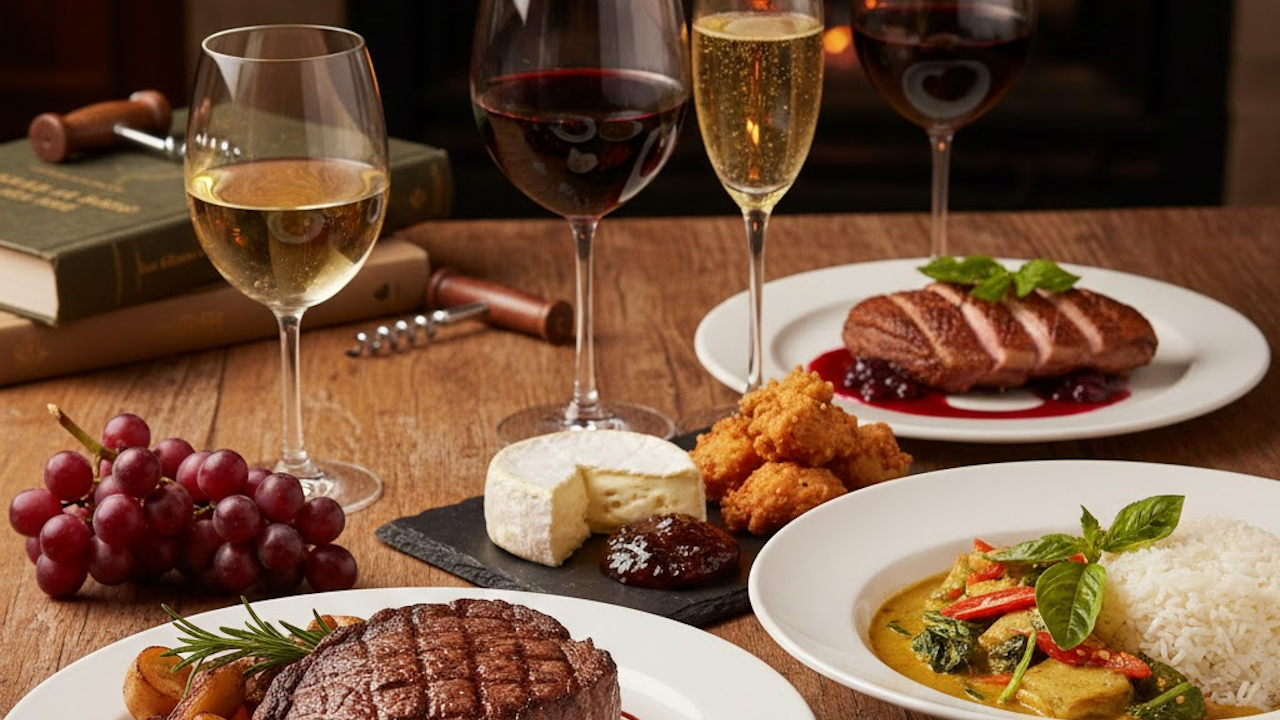
There is something almost magical about the moment a carefully chosen glass of wine meets the perfect bite of food. Flavors deepen, textures soften, and ordinary ingredients suddenly taste extraordinary. This is the quiet alchemy of wine and food pairing, an art practiced for centuries across vineyards, kitchens, and dining tables around the world. Far from rigid rules or snobbish gatekeeping, successful pairings rest on a few reliable principles of balance, contrast, and harmony. When those elements align, the result feels less like a calculated match and more like a match made in heaven.
Understanding the Building Blocks
At its core, pairing wine with food is about managing intensity, weight, and flavor components so that neither partner overwhelms the other. A delicate fish fillet will vanish beside a powerful Cabernet Sauvignon, just as a light Pinot Grigio will disappear next to a richly sauced beef stew. Matching the weight of the wine to the weight of the dish is the first and most practical step.
Acidity plays an equally important role. High-acid wines such as Sauvignon Blanc, Riesling, or Champagne cut through rich, fatty, or creamy foods the way a squeeze of lemon brightens a plate. Tannins, the drying compounds found mainly in red wines, interact with protein and fat. That is why a well-structured Cabernet or Syrah feels softer and more generous when sipped with a grilled steak or aged cheese. Sweetness in wine can balance spicy heat or offset salty and savory notes, which explains the classic affinity between slightly sweet Riesling and Thai or Indian cuisine. Finally, aromatic intensity matters. A wine with bold herbal or fruity character can stand up to strongly seasoned dishes, while a more restrained wine pairs better with subtle preparations.
These principles are not laws. They are guidelines that leave room for personal taste, regional tradition, and happy accidents. The best pairings often emerge from paying attention to how flavors evolve together rather than from memorizing charts.
Classic Pairings That Rarely Fail
Some combinations have become timeless for good reason. A well-marbled ribeye or grilled lamb chop finds its ideal companion in a Cabernet Sauvignon or Bordeaux blend. The wine’s tannins bind with the meat’s proteins and fats, softening the wine while amplifying the savory depth of the dish. The same principle applies to Syrah or Shiraz with pepper-crusted beef or robust stews. The peppery, dark-fruit character of the wine echoes the seasoning and stands up to slow-cooked richness.
Pinot Noir offers a more elegant counterpoint. Its lighter body, bright red-fruit flavors, and gentle tannins make it a natural partner for roasted chicken, duck, or salmon. The wine’s acidity lifts the richness of the bird or fish without overpowering the delicate flesh. Burgundy and Oregon Pinot Noirs, in particular, shine beside mushroom dishes, where the earthy notes in both the wine and the food create a seamless conversation.
White wines claim their own classic territory. Chardonnay, especially when barrel-aged and buttery, pairs beautifully with lobster, crab, or chicken in cream sauce. The wine’s texture mirrors the richness of the dish while its fruit and oak notes add complexity. Crisp, unoaked Chardonnays or Chablis work better with oysters or simply prepared shellfish, where mineral and citrus notes keep everything lively. Sauvignon Blanc, with its vibrant acidity and green herbal character, cuts through goat cheese, asparagus, or citrus-marinated seafood with refreshing precision.
Sparkling wines deserve special mention. Champagne, Cava, or high-quality Prosecco bring bubbles that scrub the palate clean between bites. They excel with fried foods, salty snacks, and rich appetizers because the carbonation and acidity counteract oil and salt. A classic pairing of Champagne with potato chips or fried chicken may sound casual, yet it demonstrates the science of contrast at its most delightful.
Cheese and wine form another realm of near-perfect matches. Soft, bloomy-rind cheeses such as Brie or Camembert find balance with sparkling wines or lighter reds that cut through the creaminess. Aged hard cheeses like Parmesan or aged Gouda prefer structured reds whose tannins complement the nutty, crystalline texture. Blue cheeses, with their salty intensity, often shine beside sweet wines such as Port or Sauternes, where the contrast of salty and sweet creates a memorable finish.
Regional Affinities and Local Wisdom
Many of the most satisfying pairings arise from the simple idea that what grows together goes together. In Tuscany, Chianti Classico or Brunello di Montalcino accompanies tomato-based pasta sauces, grilled sausages, and pecorino cheese. The high acidity and savory herbal notes of Sangiovese echo the region’s cuisine. In Rioja, Tempranillo partners with roasted lamb and aged Manchego, reflecting the local landscape of oak forests and sheep pastures. Along the coasts of France and Italy, crisp white wines from Liguria, Provence, or the Loire Valley sit comfortably beside seafood stews, grilled fish, and herb-scented olive oil preparations.
In Germany and Austria, Riesling’s range from bone-dry to lusciously sweet makes it extraordinarily versatile. Dry versions cut through the richness of pork or spaetzle, while off-dry or sweet styles temper the heat of Asian spices or the saltiness of blue cheese. In the New World, California Cabernet finds natural partners in grilled meats and barbecued ribs, while Australian Shiraz thrives with spicy sausages and peppery sauces. These regional pairings succeed because the wine and the food have evolved side by side, shaped by the same climate, soil, and culinary habits.
Exploring by Wine Style
Red wines reward attention to structure. Lighter reds such as Beaujolais or Valpolicella work with charcuterie, roasted vegetables, or milder cheeses. Medium-bodied reds like Merlot or Sangiovese handle tomato sauces, grilled pork, and mushroom risotto with ease. Full-bodied reds with firm tannins, including Cabernet Sauvignon, Malbec, and Nebbiolo, demand richer fare: braised short ribs, aged steaks, or game meats.
White wines offer equal range. Light and zesty styles, including Pinot Grigio, Albariño, and dry Riesling, refresh the palate alongside salads, ceviche, or simply prepared white fish. Medium-bodied whites with more texture, such as Viognier or white Rhône blends, complement richer fish preparations, poultry with herb butter, or mild curries. Full-bodied, oak-influenced whites stand up to creamy sauces, roasted poultry with skin, and even mildly spiced dishes that benefit from the wine’s weight.
Rosé occupies a flexible middle ground. Dry Provençal-style rosés pair gracefully with Mediterranean salads, grilled vegetables, cold meats, and summer seafood. Their bright fruit and moderate acidity make them excellent all-purpose options when a table shares many different dishes.
Dessert wines and fortified wines complete the spectrum. A glass of late-harvest Riesling or Tokaji alongside fruit tarts or crème brûlée creates layers of sweetness and acidity that prevent the combination from feeling cloying. Port with chocolate or Stilton remains one of the great closing acts of a meal. Sherry, whether dry Fino with almonds and olives or rich Oloroso with aged cheese, offers further possibilities that reward curiosity.
Pairing with Specific Ingredients and Cuisines
Seafood presents both opportunity and challenge. Lean white fish and shellfish generally prefer high-acid whites or sparkling wines. Oily fish such as mackerel or salmon can handle lighter reds or richer whites. Shellfish with butter or cream sauces lean toward Chardonnay or white Burgundy. Spicy seafood preparations, common in Southeast Asian cooking, often benefit from off-dry whites that soothe heat while complementing aromatic spices.
Meat dishes follow similar logic. Poultry with crisp skin or rich sauces pairs with Pinot Noir or medium-bodied whites. Pork, with its mild sweetness, welcomes both light reds and aromatic whites. Lamb and beef call for more structure. Vegetarian plates are not an afterthought. Earthy mushrooms, roasted root vegetables, and grilled eggplant find excellent partners in Pinot Noir, Nebbiolo, or structured whites with mineral character. Tomato-based dishes love acidity, whether from Sangiovese or high-acid whites.
Spicy cuisines reward thoughtful choices. The residual sugar and low alcohol of many German Rieslings or Loire Chenin Blancs calm chili heat while amplifying fruit and herb notes. Avoid high-alcohol, heavily oaked wines with spicy food, as the combination can amplify burn and bitterness.
Practical Tips for Everyday Enjoyment
Temperature matters. Serving red wines slightly cooler than room temperature and white wines cooler than ice-cold keeps flavors focused. Decanting young, tannic reds can soften them and open aromatic layers. When serving multiple courses, progress from lighter to fuller wines, and from dry to sweet, so that each glass prepares the palate for the next.
Do not fear experimentation. A wine that seems unconventional on paper may create an unexpected harmony at the table. Taste the wine and a small bite of the food together rather than separately. Notice how the combination changes the perception of both. Keep notes if you enjoy the process. Over time, patterns emerge that become personal preferences rather than external rules.
Cost is no barrier to pleasure. Many excellent everyday wines from Spain, Portugal, Chile, South Africa, and Eastern Europe deliver the acidity, fruit, and structure needed for successful pairings without requiring a special-occasion budget. Focus on freshness and balance rather than prestige labels.
The Joy of Shared Discovery
Wine and food pairing ultimately thrives on curiosity and shared experience. A meal becomes more memorable when conversation turns to how the wine changed the taste of the dish, or how a particular bite transformed the glass. There is no single correct answer for every combination, only better and lesser matches depending on the moment, the company, and the individual palate.
The matches that feel made in heaven are those in which both wine and food are elevated without either losing its identity. A great pairing does not demand attention for its cleverness. It simply makes everything on the table taste more like itself, only better. Whether you are grilling a simple steak, preparing a seafood risotto, or assembling a cheese board for friends, the right glass nearby has the power to turn an ordinary meal into something quietly extraordinary. That enduring pleasure is why the conversation between wine and food continues, generation after generation, at tables large and small.