

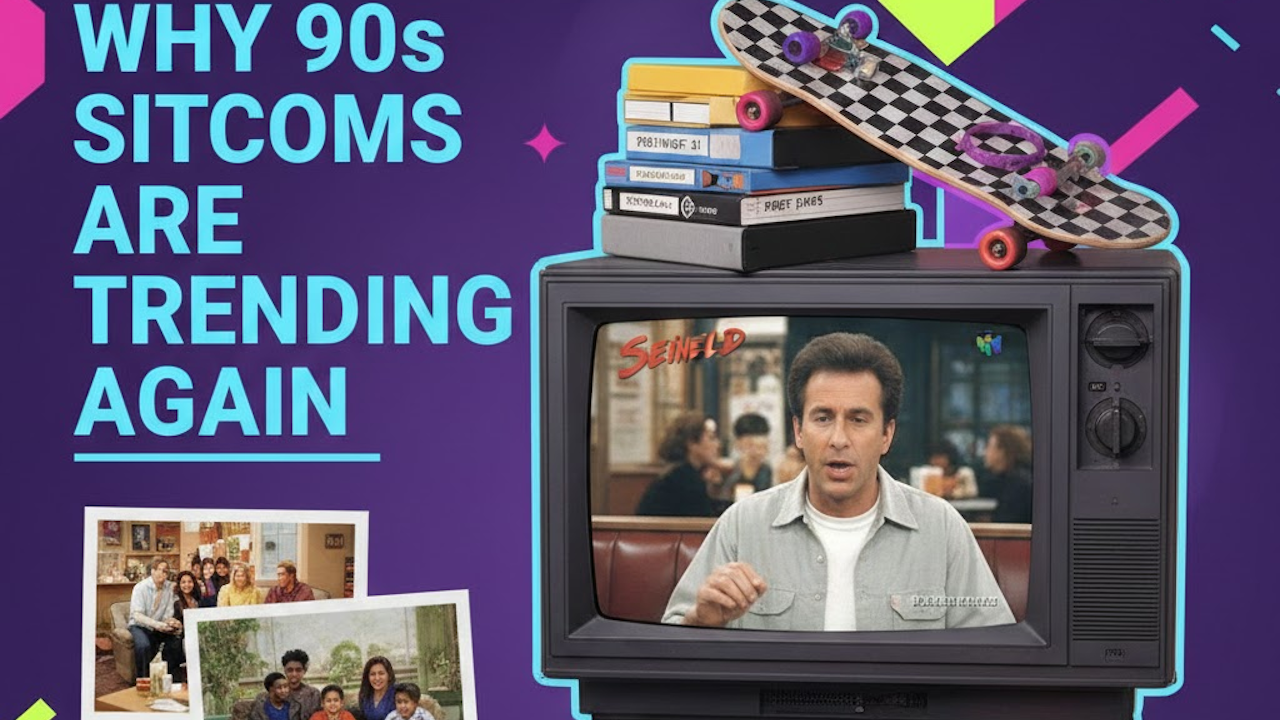
The resurgence of 90s sitcoms can be largely attributed to the powerful influence of nostalgia, particularly among audiences who grew up during that era. For many individuals, these shows are more than mere entertainment; they evoke fond memories and a sense of comfort that is increasingly sought after in today’s fast-paced world. Sitcoms such as “Friends,” “Seinfeld,” and “The Fresh Prince of Bel-Air” have retained their popularity due to their ability to transport viewers back to simpler times. This emotional connection allows audiences to relive their childhood experiences and escape the stresses of modern life.
Streaming services have played a crucial role in capitalizing on this sentiment by reviving classic sitcoms. With a growing library of 90s series available for on-demand viewing, platforms like Netflix and Hulu cater to viewers’ yearning for familiarity. These services not only offer a trip down memory lane but also serve as a marketing tool that emphasizes the emotional ties audiences have to these beloved shows. The availability of this content has made it easier for both nostalgic adults and younger generations to discover these sitcoms, fostering a renewed appreciation for their humor and storytelling.
The societal trends driving this nostalgia phenomenon reflect a collective desire for comfort and familiarity. In an era marked by uncertainty and rapid change, many people long for the simplicity that 90s sitcoms provided. The lightheartedness, relatable characters, and wholesome messages resonate profoundly with audiences today, as they navigate the complexities of contemporary life. Consequently, the revival of 90s sitcoms transcends mere entertainment, becoming a cultural touchstone that provides solace in an increasingly chaotic world.
Cultural Relevance in Today’s Context
The 1990s was a defining decade for sitcoms, generating numerous shows that captured the intricacies of family dynamics, friendship, and societal challenges. As we navigate through contemporary life, it becomes clear that many of these themes remain as pertinent today as they were then. Sitcoms from this era tackled issues such as adolescence, race relations, and economic struggles with both humor and sincerity, which resonates with today’s audiences facing similar dilemmas.
For instance, shows like “The Fresh Prince of Bel-Air” offered commentary on class differences and cultural identity, striking a chord with viewers who still grapple with these themes in today’s context. Similarly, “Friends,” while primarily centered around the humor of adult friendships, also addressed the challenges of commitment and personal growth, topics that continue to be relevant in contemporary relationships.
The resurgence of 90s sitcoms in media—be it through reboots or references—illustrates their lasting impact and cultural significance. Current adaptations, such as “Fuller House,” not only revisit beloved characters but also introduce modern-day issues, showcasing how the core themes of family and friendship evolve with time. These reimaginings highlight the importance of community and support systems that remain crucial in navigating life’s complexities.
The positive reception of these revived sitcoms indicates that audiences appreciate not only nostalgia but also the underlying messages that encourage reflection on today’s societal contexts. This merging of past and present shows a collective yearning for familiar narratives that explore the human experience. Therefore, as society progresses, the messages from the 90s sitcoms are interwoven with current dialogues, ensuring their relevance and resonance continue to thrive.
The resurgence of 90s sitcoms can largely be attributed to the significant impact of streaming services. These platforms have created an extensive library of classic television shows, making it easier than ever for audiences—both old and new—to rediscover beloved sitcoms from the 1990s. With the rise of on-demand viewing, viewers are no longer confined to traditional television schedules. Instead, they can watch their favorite episodes at their convenience. This accessibility has encouraged many to explore shows that may not have been part of their viewing habits originally.
Additionally, streaming services utilize sophisticated algorithms to analyze user preferences, often promoting nostalgia-oriented content. This means that when viewers watch a particular show, they are likely to receive recommendations for similar series, including those from the 90s. The targeted nature of these recommendations aids in attracting a younger demographic who may not have previously encountered these sitcoms, fostering a new generation’s appreciation for the humor and storytelling of that era.
The trend extends beyond merely watching classic shows; there is also a growing interest in remakes and spin-offs that capitalize on the popularity of 90s sitcoms. Streaming platforms recognize this demand, commissioning new adaptations of beloved series, which often introduce these classic narratives to a contemporary audience. By doing so, they not only honor the original content but also breathe new life into it, allowing for exploration of themes relevant to today’s society.
In essence, streaming services have not only revived the popularity of 90s sitcoms but have also transformed how audiences engage with television history. The combination of accessibility, personalized recommendations, and the introduction of fresh adaptations highlights the critical role these platforms play in the resurgence of nostalgic television programming.
The Impact of Social Media and Memes on Trends
The resurgence of 90s sitcoms has been notably influenced by the rise of social media platforms, particularly TikTok and Instagram, which have become powerful tools for sharing nostalgic content. These platforms facilitate the rapid dissemination of iconic moments from classic shows, allowing both original fans and new viewers to engage in discussions about their favorite characters and episodes. As users curate and post clips, quotes, and references, these snippets can go viral, reigniting interest in long-forgotten series.
Memes play a crucial role in this phenomenon. By utilizing humorous and relatable content from 90s sitcoms, users create a bridge between past and present, giving older shows a contemporary twist. For instance, a well-timed meme featuring a scene from a popular series can evoke laughter while simultaneously introducing the show to a younger audience unfamiliar with it. This not only enhances the relevance of these sitcoms but also encourages communal experiences, as users often share their interpretations or related anecdotes within their networks.
Online fan communities, encouraged by social media, have also emerged as advocates for 90s sitcoms. These forums and groups allow enthusiasts to connect, share content, and foster discussions centered around episodes and characters. The sense of belonging that these communities provide strengthens viewers’ emotional connections to the shows and increases buzz around them, further fueling trends. Additionally, the nostalgic value of these sitcoms is heightened as fans reminisce about the time of their original airing, creating content that resonates with the collective experiences of their peers.