

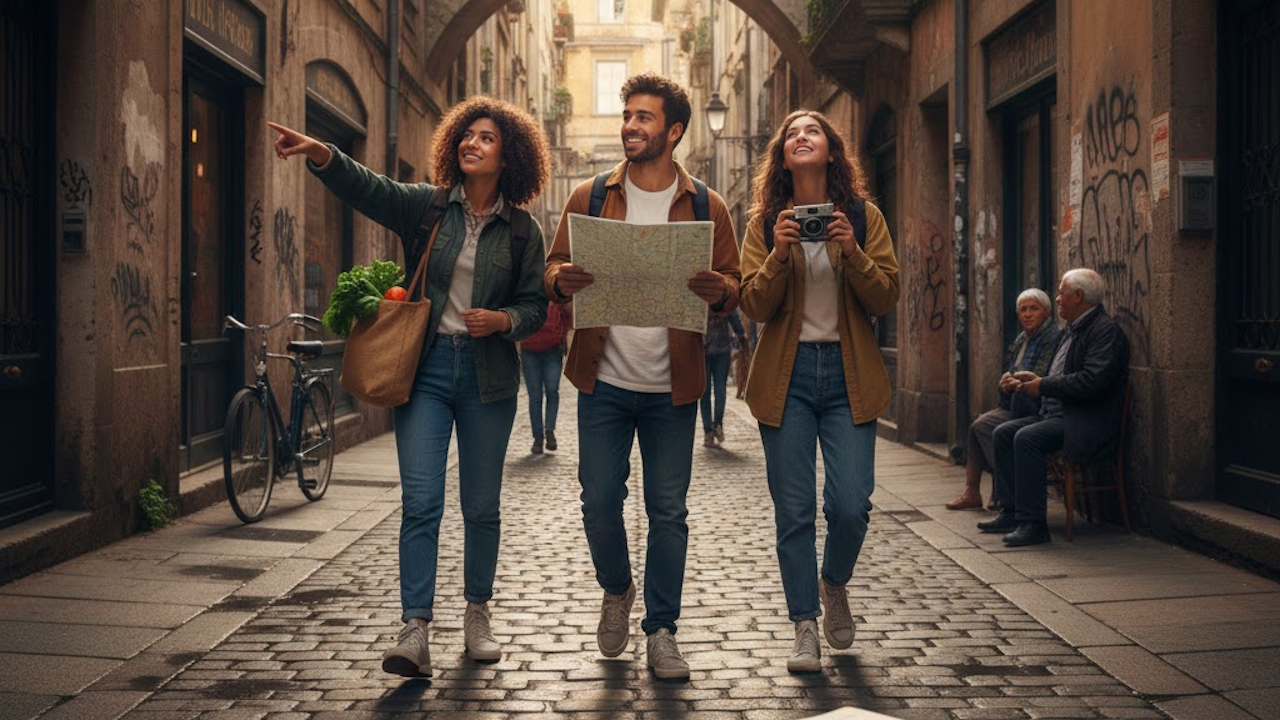
Travel often defaults to a familiar script. Book a central hotel, visit the main attractions listed in every guidebook, snap photos at the famous landmarks, eat at restaurants with menus translated into multiple languages, and move on to the next destination. This approach delivers convenience and memorable sights, yet it frequently leaves travelers feeling as if they have only skimmed the surface. Exploring cities like a local changes the entire experience. It shifts the focus from consumption of highlights to participation in the rhythms of daily urban life. The result is deeper understanding, unexpected discoveries, and a sense of connection that standard tourism rarely provides.
The appeal of local style exploration rests on several simple truths. Cities are living systems shaped by the people who inhabit them every day. Their character emerges in morning markets, neighborhood parks, late night food stalls, quiet residential streets, and the casual conversations that happen on public transport. Tourists who stay within the polished zones designed for visitors miss these layers. Locals navigate the same streets with different priorities. They know which bakery opens earliest, which side street avoids the crowds, which park bench offers the best afternoon light, and which small bar serves the strongest coffee without charging tourist prices. Adopting even a fraction of that knowledge turns a visit into something closer to temporary residence.
Preparation begins long before arrival. Rather than relying solely on official tourism websites, dig into local sources. Follow neighborhood blogs, community forums, and city specific social media accounts that discuss everyday concerns such as transit delays, new openings, or seasonal festivals. Read recent reviews written by residents rather than visitors. Study the public transport map carefully and note the lines that locals actually use for commuting. Identify residential districts that sit just outside the primary tourist corridors. These areas often contain the densest concentration of ordinary shops, cafes, and public spaces. Language apps help, but even basic phrases for greetings, thanks, and simple requests open more doors than perfect fluency. The goal is not to impersonate a resident but to signal genuine interest in how the city functions beyond its postcard version.
Once on the ground, movement patterns matter more than most travelers realize. Private taxis and ride hailing apps offer speed, yet they isolate passengers from the street. Walking remains the purest way to absorb a city. It reveals architectural details, overheard conversations, shifting smells from kitchens, and the small interactions that define neighborhoods. When distances grow longer, public transport provides the next best option. Buses, trams, and metro systems place travelers among people heading to work, school, or errands. Observe how locals board, where they stand or sit, and how they interact with drivers or ticket machines. Many cities now offer day or multi day transit passes that make this approach inexpensive. Cycling can work well in places with dedicated lanes and bike share systems, though it requires attention to local traffic customs. The key is to treat transportation as part of the experience rather than a mere means of reaching destinations.
Food offers one of the clearest entry points into local life. Tourist restaurants often adjust menus, portions, and pricing for international expectations. Locals eat differently. They frequent markets in the early morning for fresh produce, visit bakeries at specific hours for the best selection, and gather at unpretentious eateries that serve a limited number of dishes well. Street food stalls that attract long lines of residents usually deliver higher quality and authenticity than those positioned near major attractions. Grocery stores and small specialty shops reveal what people actually cook at home. Asking for recommendations from staff or nearby customers often yields better results than online lists. Meals become opportunities for observation as much as nourishment. Notice portion sizes, common combinations of dishes, and the pace at which people eat. These details communicate cultural values around time, community, and hospitality more effectively than any museum exhibit.
Neighborhoods reward slow exploration. Instead of racing between famous sites, choose one or two districts and spend extended time there. Walk residential streets without a specific destination. Sit in public squares and watch patterns of movement. Visit local libraries, community centers, or parks during ordinary hours. These spaces function as informal stages for city life. Children play after school, elderly residents gather for conversation, and workers take short breaks. Small independent businesses often reflect the history and character of their surroundings more accurately than chain stores in commercial cores. Hardware stores, barbershops, and secondhand bookshops can provide surprising insights into local priorities and aesthetics. The practice of lingering rather than rushing creates space for chance encounters and unplanned discoveries.
Interaction with residents requires both initiative and restraint. Locals are not obligated to serve as unpaid tour guides, yet many respond positively to respectful curiosity. Simple questions about preferred places or current events work better than broad requests for “hidden gems.” Shared activities such as attending a neighborhood market, joining a free outdoor exercise group, or watching a local sports match create natural openings for conversation. Language barriers matter less than attitude. A genuine smile and patience go further than polished phrases. Avoid the common mistake of treating every resident as a potential source of insider information. Some people prefer privacy, and not every interaction needs to produce a recommendation or story. The aim is mutual recognition rather than extraction of content.
Cultural etiquette forms an essential layer of local style travel. Cities develop unspoken rules around personal space, noise levels, queuing, and public behavior. Observing how residents conduct themselves in elevators, on sidewalks, and in shared spaces provides practical guidance. In some places people speak quietly in public transport. In others animated conversation is normal. Dress codes vary by neighborhood and time of day. What works in a central business district may feel out of place in a residential area or near places of worship. Research basic customs around tipping, gift giving, and photography of people. When uncertain, err on the side of formality and restraint. Demonstrating awareness of these norms signals respect and reduces the likelihood of unintentional offense.
Safety considerations remain important even when prioritizing immersion. Local knowledge includes awareness of areas that feel less secure at certain hours, common scams that target visitors, and practical ways to store belongings. Public transport systems usually feel safer when used during busy periods. Walking at night requires attention to lighting and the presence of other pedestrians. Keeping a low profile helps. Avoid displaying expensive equipment or large amounts of cash. Carry only what is needed for the day. Many cities have free or low cost walking groups organized by residents or cultural associations. These can provide both company and local insight while adding a layer of security through numbers.
Specific practices adapt well across different urban environments. In dense historic centers, early morning hours often reveal a quieter version of the city before tour groups arrive. In sprawling modern metropolises, focusing on individual districts prevents exhaustion and allows deeper engagement. Seasonal timing influences the experience. Spring and autumn frequently offer milder weather and fewer extreme crowds than peak summer. Local festivals and public holidays transform ordinary streets into temporary stages for celebration, though they can also disrupt regular routines. Checking municipal calendars in advance helps travelers decide whether to embrace the energy or plan around it.
The psychological benefits of this approach accumulate over time. Travelers who move through cities like temporary residents report stronger memories, reduced stress associated with checklist tourism, and a greater sense of agency. They return home with stories that extend beyond photographs of famous buildings. They understand how a particular city sounds at dawn, how its markets smell after rain, and how its residents navigate daily constraints and pleasures. This knowledge fosters a more nuanced appreciation of urban life in general. Cities cease to appear as collections of attractions and begin to look like complex human ecosystems.
Practical habits support consistency. Keep a simple notebook or digital file for observations rather than only photographs. Record names of streets, shops, or dishes that stood out. Note the times of day when certain places felt most alive. These records help reconstruct the experience later and guide future visits. Limit reliance on constant digital navigation. Occasional deliberate getting lost within a defined area encourages serendipity and spatial learning. When using maps, study the broader layout first so that individual routes make sense within a larger pattern.
Challenges exist. Language difficulties can frustrate. Jet lag and unfamiliar food sometimes interfere with energy levels. Not every neighborhood feels immediately welcoming. Some cities maintain clearer boundaries between tourist and local zones than others. Persistence and flexibility resolve most of these issues. Adjusting expectations helps. The goal is not perfect assimilation but meaningful participation. Even partial success yields richer results than remaining entirely within visitor infrastructure.
Over multiple trips the method becomes second nature. Experienced travelers begin to recognize patterns across cities. They notice how public space is used, how food culture organizes social life, and how transit systems reflect local values around efficiency and equity. Each new city builds on previous lessons. The cumulative effect is a more confident and curious approach to urban environments wherever they appear.
Exploring cities like a local ultimately reframes the purpose of travel. It prioritizes presence over collection of experiences. It values ordinary moments alongside extraordinary ones. It treats the city as a place where people live rather than a backdrop for personal entertainment. The rewards include better meals, quieter streets, unexpected conversations, and a lasting sense of having briefly belonged. In an era of increasing homogenization of tourist experiences, this approach preserves the possibility of genuine discovery. It requires more effort than standard itineraries, yet the return on that effort is a deeper and more satisfying form of adventure.