

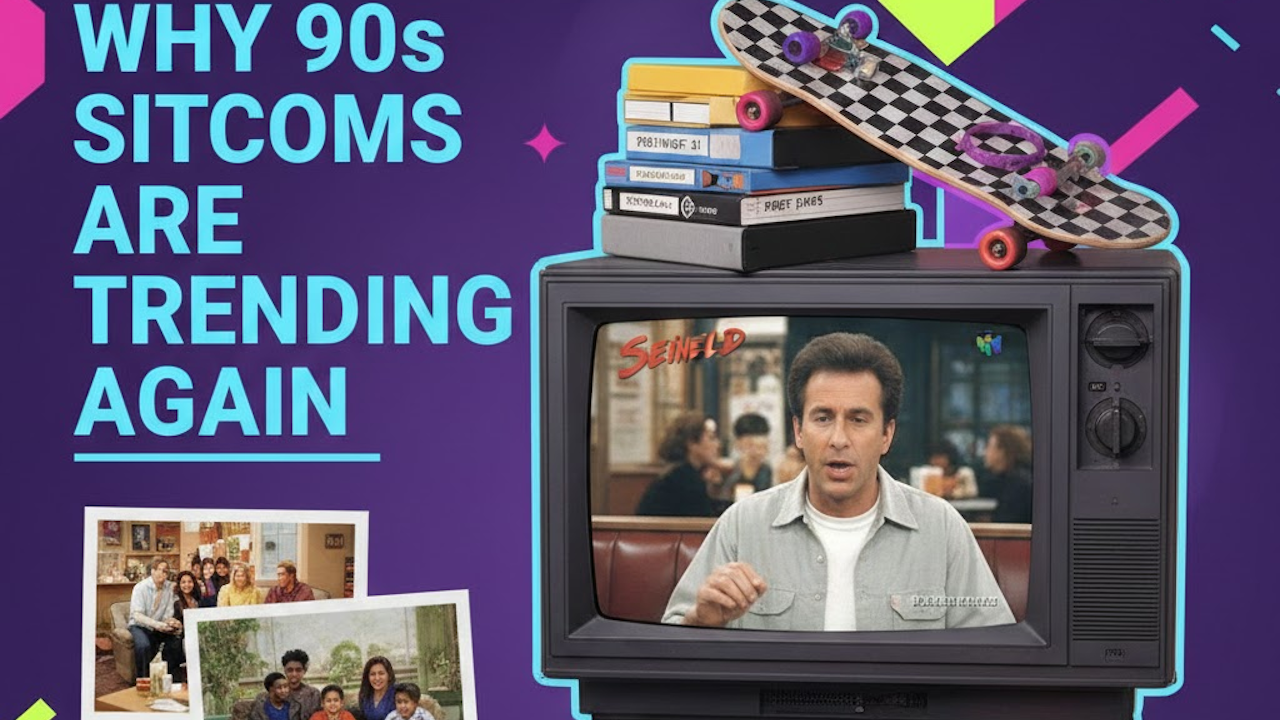
In an era dominated by algorithm-driven content, prestige dramas, and endless scrolling, something unexpected has captured audiences worldwide: a renewed love for 1990s sitcoms. Shows like Friends, Seinfeld, The Fresh Prince of Bel-Air, Full House, and Frasier are experiencing surges in viewership on streaming platforms. Younger generations who were not even born during their original runs are discovering them, while older viewers return for comfort rewatches. This trend is not a fleeting fad but a reflection of deeper cultural, psychological, and economic forces at play in the mid-2020s.
The 1990s represented a golden age for television comedy. Network sitcoms dominated prime time, with massive audiences tuning in weekly. Friends premiered in 1994 and became a cultural phenomenon, chronicling the lives of six friends navigating adulthood in New York City. Seinfeld, often called a show about nothing, redefined observational humor with its sharp wit and ensemble dynamics. Family-oriented hits like Full House and Family Matters offered feel-good lessons wrapped in laughter, while The Fresh Prince of Bel-Air blended comedy with social commentary on class and identity. These shows benefited from limited channel options, creating shared cultural experiences that many today recall fondly as simpler times.
Decades later, these series have found new life. Streaming data shows that older library content, particularly long-running sitcoms, accounts for significant portions of viewing time. On platforms like Hulu, sitcoms contribute disproportionately to subscriber retention despite making up a smaller share of the catalog. Netflix once paid hundreds of millions for Friends rights, and similar deals for Seinfeld and others underscore their value. These shows provide hundreds of episodes of proven entertainment at relatively low licensing costs compared to producing new series.
One primary driver is nostalgia, amplified by current global uncertainties. Psychologists note that when the present feels complicated and overwhelming, people seek out familiar, optimistic content from their past or an idealized version of it. The 1990s evoke a period before widespread smartphones and social media, with a sense of optimism following the Cold War. Viewers find solace in episodes where problems resolve within 22 minutes, complete with laugh tracks and heartfelt resolutions. This comfort viewing serves as emotional support, reducing anxiety through predictable storytelling and relatable characters.
Millennials, now in middle age, are passing these shows to their children, creating cross-generational appeal. Gen Z, discovering them via algorithms or recommendations, appreciates the slower pacing, character-driven plots, and fashion that aligns with current retro trends. Social media platforms like TikTok amplify this through clips, edits, memes, and “what were you like in the 90s” challenges. Fashion from Friends (Rachel’s hairstyles and outfits) and other shows inspires viral trends, while quotes and scenarios become everyday references.
Streaming has democratized access. Services like Pluto TV offer free, ad-supported channels dedicated to retro programming, allowing seamless binge-watching without subscriptions. Major platforms curate 90s content prominently, knowing it drives engagement. During the pandemic, comfort TV saw spikes, a habit that persisted. Unlike fragmented modern viewing, these sitcoms offer “comfort noise” – background familiarity that soothes without demanding full attention.
Specific shows exemplify the trend. Friends remains a streaming powerhouse, with billions of minutes viewed annually. Its ensemble chemistry, themes of friendship as chosen family, and lighthearted take on urban life resonate across ages. Critics debate some dated elements, yet its rewatchability endures. Seinfeld appeals for its intellectual absurdity and New York-centric humor, proving timeless in its critique of everyday minutiae. Family sitcoms like Full House tap into themes of resilience and support, evident in revivals and spin-offs.
Revivals and reboots further fuel interest. Recent projects include updates to Scrubs, Malcolm in the Middle, and King of the Hill, often succeeding by balancing nostalgia with modern updates. HGTV’s Totally 90s House pits 90s stars in renovation competitions, celebrating the decade’s aesthetics. These efforts keep original casts relevant and introduce shows to new fans. Even without full reboots, reunion specials and documentaries maintain buzz.
Beyond entertainment, 90s sitcoms influence culture broadly. Fashion revivals draw from characters’ wardrobes, with oversized styles and bold patterns returning. Music playlists featuring 90s soundtracks gain traction. The shows’ shared-universe experiments, like NBC crossovers involving Seinfeld, Friends, and Mad About You, prefigured today’s interconnected media landscapes.
Economically, streamers benefit immensely. In a competitive market with rising production costs and subscriber churn, proven hits offer stability. Sitcoms from the 90s add volume to catalogs, encouraging longer sessions and loyalty. Their episodic format suits short attention spans or background viewing better than serialized dramas.
Psychologically, the appeal ties to a desire for simplicity. Experts highlight how rewatching familiar content provides control in chaotic times. Episodes offer resolution, community, and humor without the stakes of current events. For Gen Z facing economic pressures and digital overload, 90s worlds feel like an escape to pre-internet authenticity. Millennials find validation in revisiting formative media.
Social media plays a crucial role in sustaining momentum. Viral moments from episodes spark discussions, fan theories, and recreations. Platforms turn niche appreciation into mainstream trends, with influencers styling outfits inspired by 90s characters or analyzing episodes in depth. This organic promotion reduces marketing needs for platforms.
Challenges exist. Some elements of 90s shows have aged unevenly, prompting discussions on representation and sensitivity. Yet many viewers approach them with context, appreciating historical placement while enjoying core charms. Creators of revivals often address evolution thoughtfully, updating dynamics without losing essence.
The trend extends to related media. Reality competitions, home renos, and documentaries celebrating 90s icons proliferate. Tech like Tamagotchi revivals mirrors the media nostalgia, emphasizing simpler pleasures amid digital fatigue.
In conclusion, the resurgence of 90s sitcoms stems from a perfect storm: accessible streaming, generational handoffs, psychological comfort, cultural recycling, and smart business decisions. These shows offer laughter, heart, and escapism that feel increasingly precious. As long as audiences crave connection to a perceived simpler era, 90s sitcoms will continue thriving, reminding us why they captured hearts originally and why they endure. Whether through full binges or casual episodes, they provide a reliable source of joy in unpredictable times. Their return signals not just nostalgia but a broader yearning for stories that unite rather than divide. In the fast-evolving entertainment landscape, the classics from the 90s prove remarkably future-proof.