

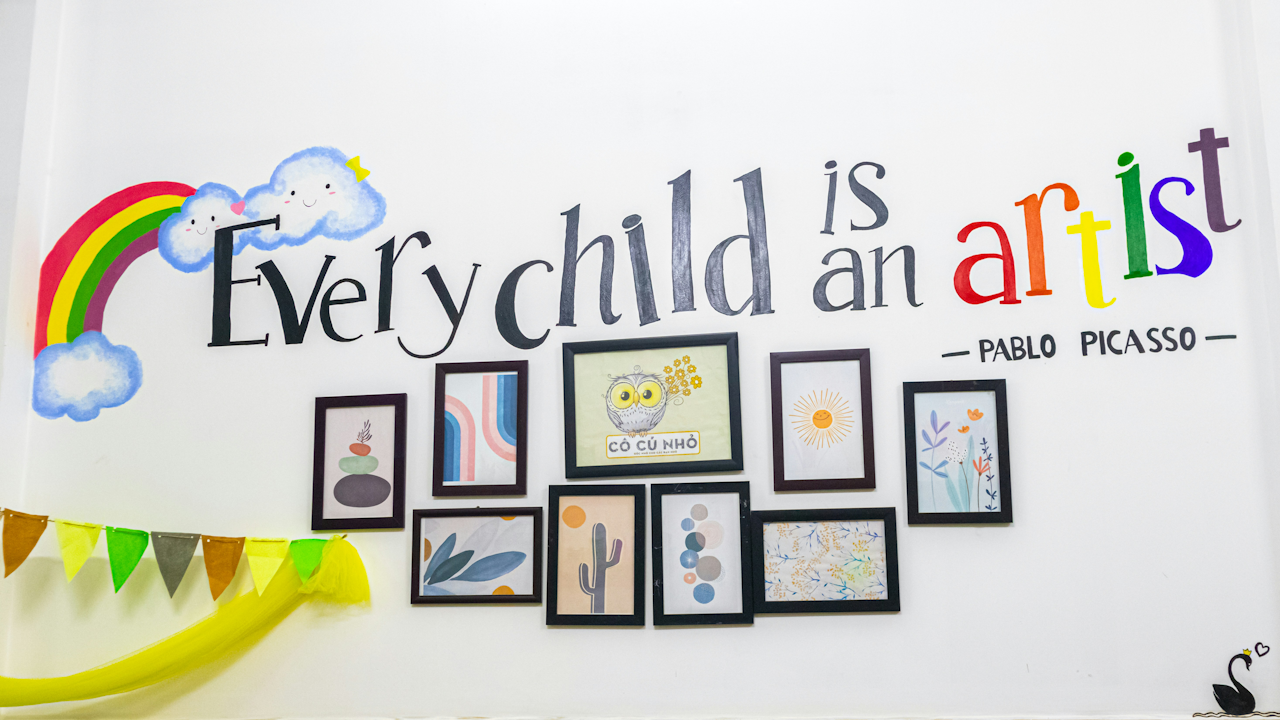
Art has always sparked debate. From ancient cave paintings to modern installations, people have asked what separates great art from the ordinary. Is it beauty, skill, emotion, or something else? This question has no single answer, but exploring it through the eyes of professional critics and young children reveals fascinating insights. Critics bring years of study and theory, while kids offer unfiltered honesty. Together, their views highlight how art connects with us across ages and experiences.
The Critics’ View: Elements That Endure
Art critics evaluate works using frameworks developed over centuries. They often focus on technical mastery, conceptual depth, and cultural significance. For many, good art demonstrates strong command of formal elements such as composition, color, line, and texture. A painting with balanced proportions and harmonious hues can feel satisfying even without knowing the artist’s intent.
Critics like those influenced by formalism argue that art should stand on its own visual merits. Clement Greenberg, a prominent 20th-century voice, championed abstract expressionism for its purity of form. He believed that successful art distills painting to its essentials, avoiding unnecessary storytelling or decoration. In this view, Jackson Pollock’s drip paintings succeed because they create dynamic energy through rhythm and movement, engaging the eye without relying on representation.
Beyond technique, emotional resonance matters deeply. Critics frequently praise works that evoke strong feelings or provoke thought. Vincent van Gogh’s “Starry Night” is celebrated not just for its swirling brushwork but for conveying turbulence and wonder. The painting captures inner turmoil in a way that viewers still feel today. Good art, according to this perspective, bridges the personal and the universal. It reflects the human condition, whether through joy, sorrow, or ambiguity.
Originality and innovation also rank high. Critics often seek pieces that push boundaries or respond to their time. Pablo Picasso’s cubist works dismantled traditional perspective, forcing audiences to see multiple viewpoints at once. This disruption made his art “good” in the sense that it expanded what painting could be. Similarly, contemporary critics value artists who address social issues, such as Kara Walker whose silhouettes confront race and history with sharp wit and discomfort.
Context plays a crucial role too. A work’s meaning shifts depending on when and where it was created. Critics examine historical influences, the artist’s biography, and societal conditions. Ai Weiwei’s installations gain power from their commentary on politics and freedom. Without that layer, they might seem like clever arrangements of materials. Good art, in this light, dialogues with the world rather than existing in isolation.
Yet critics acknowledge subjectivity. What one expert hails as groundbreaking, another might dismiss as derivative. Taste evolves. Works once scorned, like Impressionist paintings, later became masterpieces. This fluidity reminds us that critical judgment is a conversation, not a final verdict. Critics help us see deeper layers, but they do not own the definition of quality.
Children’s Perspectives: Fresh and Direct
Children approach art with remarkable clarity. Unburdened by theory, they judge based on immediate impact and personal connection. Ask a group of kids what makes a drawing good, and responses often center on bright colors, fun subjects, and the ability to tell a story.
For young viewers, technical skill takes a backseat to expression. A stick figure family might earn high praise if it shows love or adventure. Kids value effort and imagination over realism. A messy watercolor of a dragon breathing fire can delight because it feels alive and exciting. They respond to energy and playfulness. Art that invites participation, like interactive sculptures or colorful murals, scores especially well.
Emotion drives much of their appreciation. Children connect with pieces that mirror their feelings. A painting of a sad puppy might prompt empathy, while a vibrant landscape inspires joy. They often describe good art as “happy” or “cool.” One child might say a sculpture is good because it looks like it could come alive, another because it reminds them of a favorite toy. This personal resonance makes art meaningful in the moment.
Humor and surprise feature prominently in kids’ tastes. They laugh at exaggerated features or silly scenes. Keith Haring’s bold, cartoonish figures appeal to children for their accessibility and whimsy. Good art, from a child’s viewpoint, should not intimidate. It welcomes them in.
Kids also notice details adults might overlook. They point out patterns, hidden shapes, or unusual textures. A piece with lots of tiny elements, like a busy city scene, holds attention longer. They appreciate stories embedded in visuals. Illustrations in picture books succeed when characters feel relatable and the world feels immersive.
Importantly, children are forgiving of imperfections. A lopsided portrait wins approval if the artist tried hard or captured something true. This generosity contrasts with adult scrutiny. For kids, the process matters as much as the product. Art class creations are “good” because they represent self-expression and fun.
Their views evolve with age. Very young children prioritize sensory appeal, while older ones begin incorporating ideas of fairness or heroism. Yet the core remains intuitive rather than analytical.
Bridging the Gap: Common Ground and Differences
Comparing critics and children uncovers both alignment and contrast. Both groups value emotion. Critics articulate it through sophisticated language, while kids express it simply. A powerful artwork moves the heart whether you are five or fifty.
Creativity unites them too. Innovators like Picasso might puzzle some adults but captivate children with their bold reinvention of forms. Both appreciate work that feels new or surprising.
Differences stand out clearly. Critics emphasize historical importance and intellectual rigor. A child might not care that a sculpture references ancient myths if it does not spark interest. Adults seek meaning and context; kids seek delight and connection.
Technical perfection divides opinions. Critics dissect brushstrokes and composition. Children focus on whether the art feels complete to them. A hyper-realistic portrait might impress experts for skill but bore a child if it lacks vitality.
Accessibility highlights another split. Much contemporary art challenges viewers, which critics defend as necessary for progress. Kids prefer approachable works. This suggests good art balances challenge with invitation.
Both perspectives enrich understanding. Critics provide tools for deeper appreciation. Children remind us of art’s basic power to bring joy and wonder. Together, they suggest that greatness lies in striking a chord across diverse audiences.
Why This Matters Today
In an era of digital images and endless content, defining good art feels urgent. Social media floods us with visuals, yet much fades quickly. Works that endure, according to combined insights, combine strong execution with genuine feeling. They invite repeated viewing and conversation.
Education benefits from these dual lenses. Schools that teach both formal analysis and free creation foster well-rounded appreciation. Programs like museum tours for families show how experts’ insights can enhance children’s natural curiosity.
Ultimately, art’s value rests with the viewer. What critics and kids teach us is that goodness emerges from connection. Whether through masterful technique or spontaneous joy, effective art moves us, makes us think, or simply makes us smile. It reflects our shared humanity.
The next time you encounter a painting, sculpture, or drawing, consider both angles. Look for craft and context, but also ask what a child might see. That blend could reveal why some works resonate across time while others do not. Art remains vital because it adapts to every perspective, reminding us that its power lies in the eye, the heart, and the imagination of the beholder.