

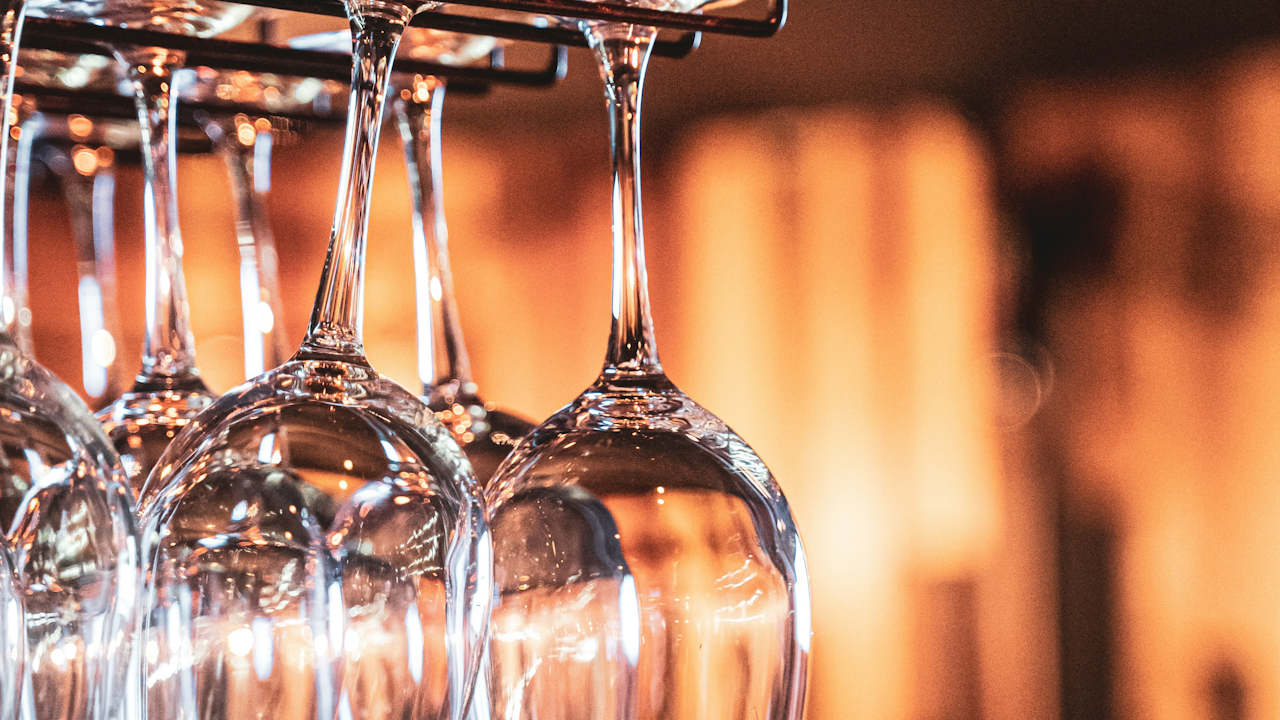
Wine is more than just a beverage; it is an experience that engages the senses. From the first visual inspection of its color to the final lingering finish on the palate, every aspect contributes to enjoyment. Yet many people overlook one crucial element in this sensory journey: the wine glass. The right glass can elevate a good bottle to something extraordinary, while the wrong one can mute flavors, dull aromas, and diminish pleasure. This article explores the best wine glasses available, the reasons their design matters, and practical guidance for choosing and using them.
The shape, size, and material of a wine glass are not arbitrary. They influence how wine interacts with air, how aromas reach the nose, and how the liquid flows across the tongue. Professional tasters and winemakers have long recognized these effects, leading to specialized designs for different varietals and styles. Understanding this science helps explain why investing in quality glasses pays dividends in everyday drinking and special occasions alike.
The Science of Wine Glass Design
Wine glasses matter because they actively shape the tasting experience through physics and human physiology. The bowl size and shape control the surface area exposed to oxygen, a process known as aeration. Red wines, which often benefit from breathing, release volatile compounds more effectively in larger bowls. These compounds form the bouquet, or the complex array of scents that define a wine’s character.
The rim diameter directs the flow of wine to specific parts of the tongue. A wider opening might deliver bolder flavors upfront, while a narrower one focuses them more precisely. The stem allows the drinker to hold the glass without warming the wine with body heat, preserving intended serving temperatures. White wines stay cooler longer in narrower, smaller-bowled glasses, maintaining their crisp acidity.
Aromas play a starring role. When wine swirls in the glass, it releases molecules that collect in the space above the liquid. A tapered bowl concentrates these aromas toward the nose, enhancing perception. Studies and blind tastings consistently show that identical wines taste noticeably different when served in mismatched glasses. Subtle fruit notes might emerge more clearly, tannins could soften, or acidity might balance better.
Material also influences the experience. Crystal glasses, especially lead-free varieties, offer thin walls and clarity that feel elegant on the lips and allow better light transmission for judging color. Thicker glass can feel clunky and mute nuances. Durability matters too, as modern crystal options resist breakage and dishwasher damage better than older formulations.
Types of Wine Glasses
Different wines call for different glasses to highlight their unique traits. While universal glasses work well for many situations, specialized shapes optimize specific styles.
Red wine glasses typically feature large, rounded bowls. This design promotes aeration, softening tannins in full-bodied reds like Cabernet Sauvignon, Merlot, or Syrah. The Bordeaux-style glass has a tall bowl with a broad base that narrows slightly at the top, directing wine to the back of the mouth where bitterness registers less intensely. Burgundy glasses, suited for Pinot Noir and lighter reds, have even wider bowls to capture delicate floral and earth aromas.
White wine glasses are smaller with narrower bowls and tapered rims. They preserve cooler temperatures and concentrate subtler aromas without excessive oxidation. A Chardonnay glass might have a slightly broader bowl than one for Sauvignon Blanc to accommodate richer textures, while Riesling glasses often include a flared rim to balance sweetness and acidity.
Sparkling wine glasses come in several styles. Traditional flutes are tall and narrow to showcase bubbles rising in elegant streams and retain carbonation longer. Some prefer wider coupe glasses for their vintage appeal, though they allow bubbles to dissipate faster. Modern tulip-shaped sparkling glasses offer a compromise, providing room for aromas while maintaining effervescence.
Dessert and fortified wines require smaller glasses. Their concentrated sweetness and higher alcohol content benefit from reduced portions and shapes that focus intense flavors and aromas. Ports and Sauternes glasses often have compact bowls that prevent overwhelming the senses.
Universal or all-purpose glasses have grown in popularity for their versatility. They handle reds, whites, and even sparkling wines adequately, making them ideal for everyday use or smaller collections.
Top Wine Glasses and Brands
Several brands stand out for quality, performance, and value based on expert reviews and tastings.
Riedel remains a pioneer in grape-specific glassware. Their VINUM series offers excellent performance at a reasonable price. The Zinfandel/Riesling/Chianti glass often earns praise as a strong universal option, with a shape that enhances many varietals. Riedel glasses emphasize how form follows function, with designs refined through extensive testing.
Zalto Denk’Art glasses earn cult status among sommeliers. Hand-blown and exceptionally light, they feature thin stems and bowls that seem to disappear in the hand. The Universal glass excels with both reds and whites, delivering vibrant fruit and balanced structure. Testers frequently note enhanced flavors without exaggeration. Though fragile and pricier, many consider them worth the investment for serious enthusiasts.
Gabriel-Glas StandArt models frequently top “best overall” lists. Machine-made yet high-quality, they provide durability and dishwasher safety while delivering impressive aroma concentration. Their universal design suits casual drinkers and collectors alike, balancing elegance with practicality.
Schott Zwiesel offers reliable performance with their Tritan crystal, which resists chipping and clouding. The Forte series and universal tumblers appeal to those seeking stemless options or everyday durability without sacrificing much refinement.
Libbey Signature Kentfield Estate glasses provide outstanding value. Affordable yet elegant, they enhance aromas effectively for both reds and whites, making them suitable for larger gatherings or first-time upgrades from basic tumblers.
Other notable mentions include Richard Brendon glasses designed with Jancis Robinson, which prioritize lightness and neutrality, and options from brands like Rastal for casual settings.
Factors to Consider When Choosing Wine Glasses
Budget plays a key role. Entry-level sets from reputable brands start under twenty dollars per glass, while premium hand-blown crystal can exceed fifty or sixty dollars each. Begin with a versatile set of four to six before expanding into specialized shapes.
Consider lifestyle. Families with children or frequent entertainers might prefer durable, dishwasher-safe options over delicate crystal. Stemless glasses reduce breakage risk and store easily, though they warm faster and lack the classic aesthetic.
Size and capacity matter. Overly large glasses can feel unwieldy, while tiny ones limit swirling. Aim for bowls holding twelve to twenty ounces for reds, with smaller capacities for whites.
Clarity and thinness enhance enjoyment. Look for lead-free crystal that feels light and allows unobstructed viewing of the wine’s hue and legs.
Storage and space constraints influence choices too. Stemmed glasses require careful shelving, while stemless stack better.
Care and Maintenance
Proper care extends the life of even the finest glasses. Hand washing remains safest for delicate crystal, using warm water and mild detergent without abrasive sponges. Avoid extreme temperature changes that could cause cracking.
Dishwasher-safe models simplify routines but check manufacturer guidelines. Position glasses securely in the rack to prevent knocking. Polish with a lint-free cloth for streak-free shine.
Store glasses upright or inverted on stems to avoid dust accumulation inside bowls. Avoid stacking when possible to prevent chips.
For long-term collections, consider dedicated glass storage cabinets or protective wraps for travel or seasonal use.
Conclusion
The best wine glasses transform routine sipping into a refined ritual. Whether selecting a versatile Riedel or Zalto universal glass, a durable Schott Zwiesel, or an affordable Libbey set, the investment enhances appreciation for wine’s complexity. Their shapes optimize aeration, aroma delivery, and flavor balance through thoughtful design rooted in science and tradition.
Ultimately, the right glass aligns with personal needs, budget, and wine preferences. Start simple, experiment with different styles, and notice the differences. Over time, quality glassware becomes an indispensable part of any wine lover’s toolkit, proving that sometimes the vessel matters as much as what it holds. With the proper glass in hand, every pour reveals new depths, making the experience of wine more memorable and pleasurable.