

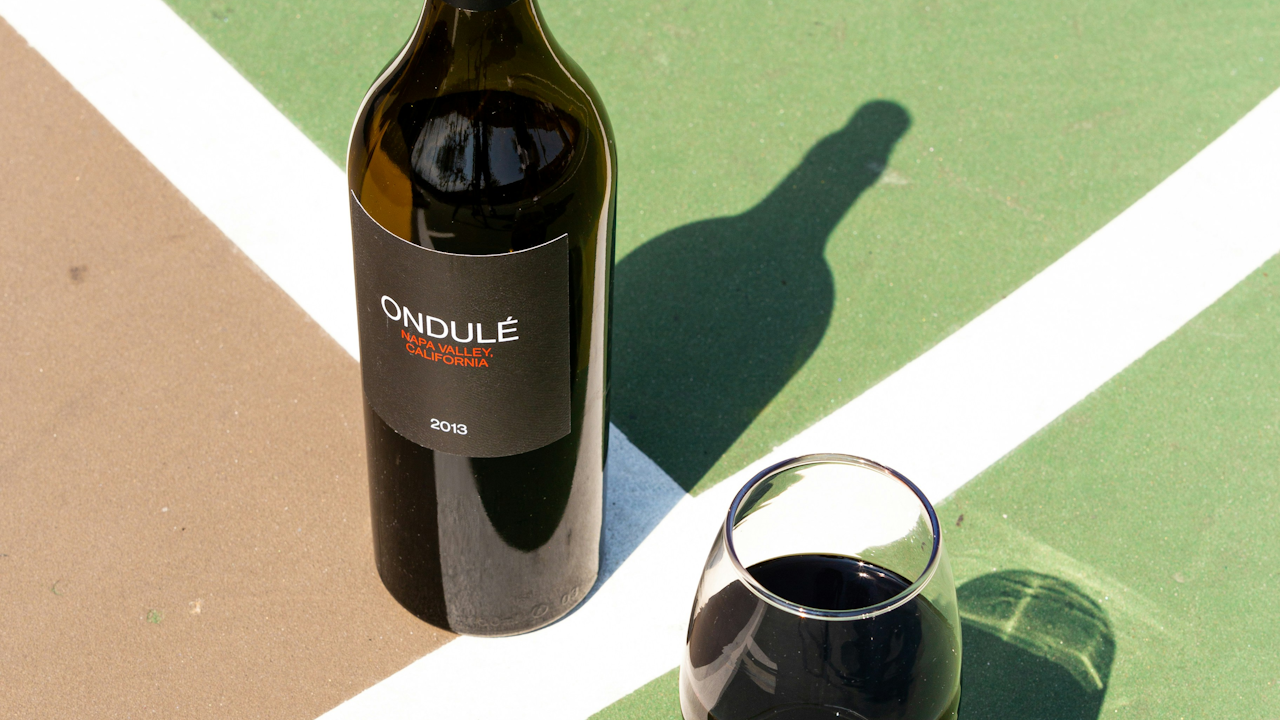
A vintage wine is one produced from grapes harvested in a single specific year. The term “vintage” itself comes from the Latin word “vindemia,” meaning wine harvest. When you see a year printed on a wine label, such as 2016 or 2020, that indicates the vintage. This designation carries significant weight in the world of wine because it ties the bottle directly to the unique growing conditions of that particular year in a specific region.
Not all wines are vintage dated. Many everyday table wines, especially sparkling wines like Champagne or inexpensive reds and whites, are non-vintage or multi-vintage blends. These combine grapes from several years to maintain consistency in style and quality. Vintage wines, by contrast, reflect the character of one harvest, which can vary dramatically from year to year.
The Core Meaning of Vintage
At its simplest, a vintage wine is made primarily or entirely from grapes picked in one calendar year. Regulations in major wine-producing countries enforce strict rules. In the European Union, for example, at least 85 percent of the grapes in a vintage-dated wine must come from that year. In the United States, the requirement is 95 percent. These standards ensure the label accurately represents the harvest year.
The vintage year does not refer to the year the wine was bottled or released. Many fine wines, particularly reds from Bordeaux, Burgundy, or Barolo, spend years aging in barrels and bottles before they reach the market. A 2015 vintage might not appear on store shelves until 2018 or later. The label always points back to the harvest.
Why Vintages Matter
Vintages matter because wine is an agricultural product deeply influenced by nature. Grapes are sensitive to temperature, rainfall, sunlight, and other environmental factors. A warm, dry year might produce ripe, concentrated grapes with balanced acidity, leading to exceptional wines. A cool, wet year could result in underripe grapes, higher acidity, and lighter body, creating wines that age differently or appeal to different palates.
This variability is part of what makes wine fascinating to enthusiasts. Collectors and sommeliers study vintage charts, which rate years on a scale, often from 1 to 100 or with qualitative descriptors like “excellent,” “good,” or “poor.” These charts help predict aging potential and drinking windows. A great vintage might produce wines that improve for decades, while a challenging one could yield wines meant for earlier consumption.
However, a poor vintage does not mean bad wine. Skilled winemakers can mitigate difficulties through careful vineyard management and cellar techniques. Conversely, even in outstanding years, careless production can lead to disappointing results. Vintage is a starting point, not a guarantee.
Key Factors That Define a Vintage Year
Several interconnected elements shape whether a year becomes legendary, average, or forgettable.
Weather and Climate Conditions
Weather is the dominant force. Grapes need a balance of warmth for ripening sugars, cool nights to preserve acidity, and moderate rainfall for healthy growth without diluting flavors.
- Temperature: Ideal growing seasons feature warm days and cool nights. Heatwaves can cause grapes to shrivel or lose acidity, while prolonged cold can prevent full ripeness. In regions like Bordeaux, a long, even ripening period often signals quality.
- Rainfall: Too much rain near harvest can cause grapes to swell with water, diluting flavors and promoting rot. Too little rain stresses vines, though some stress concentrates flavors in quality vineyards. Timing is critical. Rain during flowering can reduce yields, while hailstorms can devastate crops.
- Sunlight and Frost: Sufficient sunshine drives photosynthesis. Late spring frosts can kill young buds, reducing yields dramatically, as seen in some Burgundy vintages. Early autumn frosts can halt ripening prematurely.
Climate change has introduced new patterns, with warmer overall temperatures shifting harvest dates earlier and increasing the frequency of extreme events.
Terroir and Vineyard Practices
Terroir, the combination of soil, topography, and microclimate, interacts with the vintage year. Well-drained soils on hillsides, common in many premium regions, help regulate water and prevent waterlogging. Ancient vine stocks with deep roots may cope better with drought than younger vines.
Vineyard management plays a huge role. Growers who prune carefully, manage canopy for optimal sun exposure, and harvest at the right moment can elevate even average years. Organic or biodynamic practices may enhance resilience to weather fluctuations by promoting healthier soils and vines.
Grape Varieties
Different grapes respond uniquely to conditions. Cabernet Sauvignon and Merlot in Bordeaux thrive in warm, dry years. Pinot Noir in Burgundy is more finicky and benefits from moderate conditions that preserve its delicate aromas. Riesling in Germany or Alsace can produce stunning sweet wines in botrytis-affected years, where noble rot concentrates sugars.
Winemaking Techniques
Once grapes reach the winery, human decisions amplify or diminish the vintage’s potential. Sorting grapes to remove damaged berries, gentle pressing, controlled fermentation temperatures, and judicious use of oak aging all matter. In difficult years, winemakers might blend in small amounts from better parcels or adjust acidity, though strict appellation rules limit interventions in many classic regions.
Vintage versus Non-Vintage Wines
Non-vintage wines prioritize consistency. Producers blend across years to create a house style that customers can rely on. This approach is common in Champagne, where reserve wines from previous harvests balance the current year’s contribution. Non-vintage wines are often more affordable and approachable young.
Vintage wines celebrate variation. They offer a snapshot of a place and time. In great years, they can achieve heights of complexity and longevity that multi-year blends rarely match. Many iconic wines, such as First Growth Bordeaux or Grand Cru Burgundy, are almost always vintage dated.
Some regions declare “vintage years” only when conditions are exceptional, releasing vintage Champagne or Port only then. Most years still produce good wines, but the term “declared vintage” carries extra prestige.
Reading Vintage Charts and Evaluating Years
Vintage charts provide broad guidance but have limitations. They generalize across regions, yet conditions can differ even within short distances. A chart rating Bordeaux 2010 as outstanding might show different results for California Cabernet in the same year.
When assessing a vintage, consider:
- Regional specificity
- Producer reputation
- Wine style and grape variety
- Personal taste preferences
- Current drinking window, as wines evolve
Reliable sources for charts include publications like Decanter, Wine Spectator, or Robert Parker’s legacy ratings, though individual palates vary.
Notable Vintages in Wine History
Certain years stand out across decades.
In Bordeaux, 1945, 1961, 1982, 2000, 2005, and 2010 are legendary for their structure and aging potential. The 1945 vintage, marking the end of World War II, produced powerful, long-lived wines from a small harvest.
Burgundy has seen stellar years like 1990, 2005, and 2015, where Pinot Noir achieved remarkable balance. Italian Barolo celebrated 2010 and 2016 for Nebbiolo’s tannic power softened by time.
In the New World, California’s Napa Valley shone in 1997, 2007, and 2013. Australian Shiraz from Barossa or Coonawarra had banner years in 2002 and 2016. Each region has its own hall of fame.
Recent decades show the impact of climate shifts. Warmer years have produced riper, more approachable wines earlier, prompting debates about whether traditional aging requirements still apply.
Myths and Realities About Vintage Wines
One common myth is that older is always better. Many wines peak and then decline. A 30-year-old bottle from a mediocre vintage may be tired, while a well-made wine from a recent great year could be vibrant.
Another misconception is that vintage wines are always expensive. While top examples command high prices, many regions offer excellent value vintage wines from lesser-known appellations or producers.
Price does not equal quality. Astute buyers focus on producer track records and specific reviews rather than vintage hype alone.
Storage conditions also matter enormously. Even the greatest vintage can be ruined by heat or light exposure.
The Future of Vintage Wines
As climate patterns evolve, winemakers adapt. Some plant new grape varieties better suited to warmer conditions. Others experiment with earlier harvests or different trellising. Technology aids prediction with better weather monitoring and data analytics.
Consumers increasingly appreciate vintage variation as a feature rather than a bug. The story behind a bottle, tied to a specific year’s challenges and triumphs, enriches the experience of drinking wine.
Ultimately, what makes a wine “vintage” is its connection to a moment in time. It captures the interplay of nature, place, and human craft. Whether you explore legendary years or discover hidden gems from overlooked harvests, vintage wines invite curiosity and reward patience. They remind us that wine is more than a beverage. It is a living record of the earth and the hands that tend it.
By understanding the factors behind each vintage, enthusiasts can make informed choices, build cellars thoughtfully, and appreciate the subtle differences that make every bottle unique. The next time you select a wine with a year on the label, you are choosing a piece of agricultural and cultural history.