

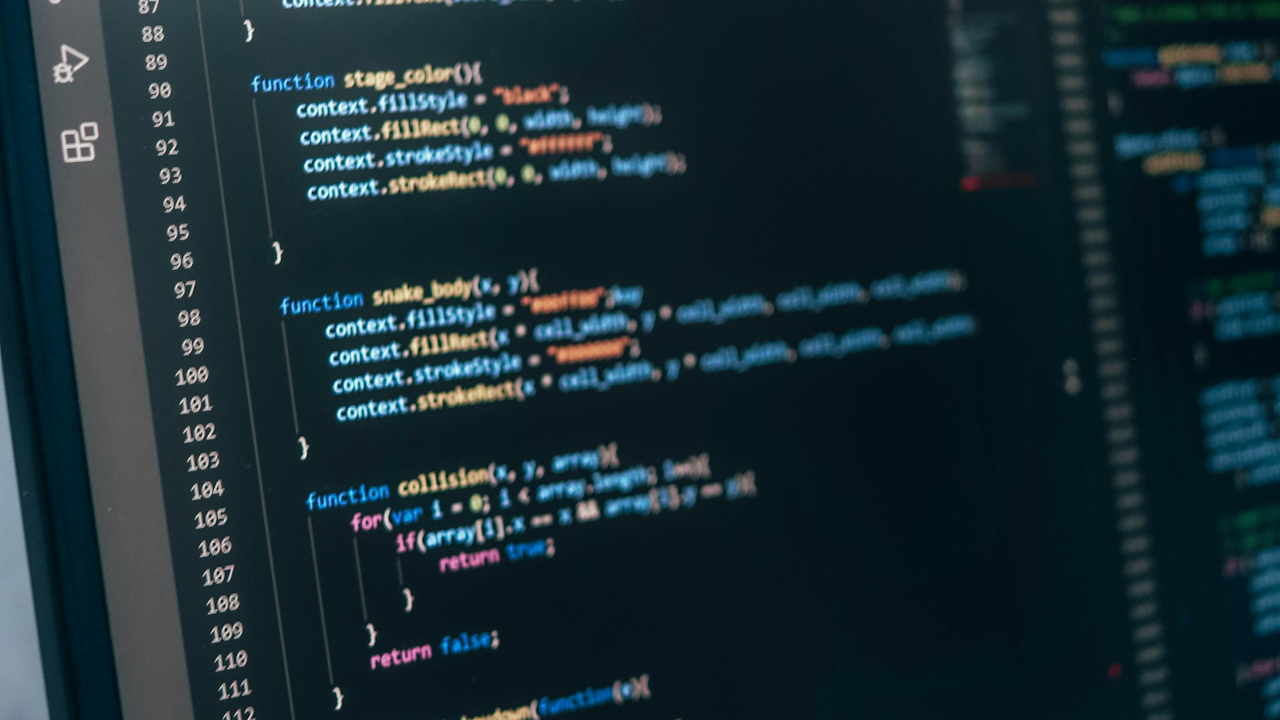
Building a video game entirely on your own from the first line of code to the final upload feels like stepping into uncharted territory with nothing but a notebook and a stubborn idea. It is not the glamorous process you see in polished trailers or devlogs edited for maximum hype. Instead it is a long messy journey filled with late nights debugging code that should work but refuses to and moments of pure elation when a simple mechanic suddenly feels alive. I have gone through this process multiple times and each one taught me something new about patience creativity and the sheer willpower required to finish what you start. If you are considering taking the plunge this article walks you through every stage the highs the lows and the unexpected lessons that no tutorial can prepare you for.
The decision to build from scratch usually begins with a spark. Maybe you played a game that left you thinking I could do this better or maybe you simply wanted to create something that reflected your own weird sense of humor or story. From scratch means different things to different people. Some interpret it as writing every line in a low level language like C with a custom engine. Others mean starting with a blank project in Unity or Godot and handling all the systems yourself instead of relying on prebuilt asset packs. Either way the key is ownership. You are not remixing someone else’s template. You are forging the rules the world and the experience.
Before a single pixel appears on screen the planning phase demands brutal honesty. You sit down and sketch out the core loop what the player does minute by minute. Is it a platformer where precise jumps define success? A puzzle game built around clever physics? A roguelike where every run feels different? Write it down in a simple document. List every feature you dream about then cross out half of them immediately. Scope creep is the silent killer of solo projects. I once started a top down adventure game with an entire open world only to realize after three weeks that populating it would take years. I scaled back to a single dungeon with procedural rooms and the project became doable again. Tools like Trello or even a plain text file help track tasks. Break everything into tiny chunks: player movement collision detection enemy pathfinding. Each chunk feels achievable and that momentum keeps you going when motivation dips.
Choosing your tools is the first real commitment. For beginners Python paired with Pygame offers a gentle entry because the syntax stays readable and you can see results fast. If you want more power Godot provides a free open source engine with its own scripting language that resembles Python but compiles quickly. Unity remains popular for its vast community and C sharp support though its licensing can feel corporate. Unreal Engine shines for high fidelity visuals but its learning curve is steeper and its C plus plus foundation demands more upfront study. I settled on Godot for one project because it exported cleanly to multiple platforms without extra fees and its node based scene system matched the way my brain organized objects. The important rule is pick something you can stick with for months. Switching engines midway is like tearing down a half built house and starting over with different bricks.
Setting up the development environment feels exciting at first. You install the software create a new project and stare at a blank screen. Then you write the first lines of code for player input. Suddenly a square moves when you press the arrow keys. It is primitive but it is yours. From there you layer on gravity collision with walls and a basic camera follow. Every new system builds on the last and you start to feel like a real developer. Yet the honeymoon ends quickly. Floating point precision errors creep in. Your character clips through walls on certain angles. You spend an entire weekend chasing a bug only to discover a single misplaced parenthesis caused it. These moments test your resolve. The internet becomes your closest companion with forums Stack Overflow and Discord servers full of strangers who have fought the same battles.
Implementing core mechanics is where the game begins to reveal its personality. For a simple shooter you code bullet spawning enemy health and basic AI that chases the player. For a platformer you tune jump height coyote time and variable gravity so the controls feel responsive rather than floaty. I remember the first time I got double jump working in a prototype. The character leapt once then again mid air and for a split second the whole game felt magical. Then I added enemies and spent hours adjusting their attack patterns so they felt fair rather than frustrating. Balance is an art. You playtest relentlessly tweaking numbers until the difficulty curve rises smoothly instead of spiking into impossible territory. Spreadsheets become your friend here tracking variables like damage values cooldowns and movement speeds so you can iterate without breaking everything.
Art and assets present their own unique hurdles when you work alone. Unless you are already a skilled illustrator or 3D modeler you face a choice: learn to create everything yourself or use placeholder graphics while you focus on code. I started with free pixel art tools like Aseprite drawing crude tiles and characters that looked like they belonged in a 1990s demo. Over time I improved enough to make something cohesive. For 3D projects Blender became essential though its interface initially felt like learning a foreign language. The satisfaction of importing a model you sculpted yourself into your game cannot be overstated. It transforms the project from a tech demo into something with soul. Sound design follows a similar path. Free libraries provide footsteps and explosions but recording your own foley effects or composing simple chiptune tracks adds authenticity. I once spent an evening banging on kitchen pots to create metallic impact sounds and the result fit perfectly in a robot themed level.
As features accumulate the debugging phase turns into a daily ritual. You run the game spot a new issue fix it then run again only to find three more problems. Memory leaks cause slowdowns after twenty minutes of play. Random crashes happen only on certain hardware. Version control with Git becomes your safety net allowing you to revert changes when an experiment goes wrong. I learned to commit often with descriptive messages so I could trace exactly when something broke. Playtesting with friends reveals blind spots you never noticed. One tester kept dying in a section I thought was easy because the visual feedback for enemy attacks was unclear. Another suggested a small UI tweak that improved the entire flow. Listening without defensiveness is crucial. Your baby is not perfect and external eyes sharpen it.
Polishing the game separates a hobby project from something people actually want to play. This stage includes adding particle effects screen shake during big impacts smooth transitions between scenes and a main menu that does not feel tacked on. Accessibility options matter too color blind modes remappable controls and subtitles. I spent two weeks just on the pause menu making sure it saved progress reliably and looked clean on both desktop and mobile exports. Marketing assets come next. You create a logo write a short description and record a trailer even if it is rough. Platforms like itch.io Steam or the App Store require specific screenshots and descriptions. Uploading your first build feels terrifying because it means the project is no longer private. You brace for feedback both kind and harsh.
Release day arrives after months or sometimes years of work. You hit the publish button refresh the page obsessively and wait for the first downloads. Early feedback trickles in. Someone loves the music. Another player reports a crash on older hardware. You fix bugs in emergency updates and watch the download count climb slowly. The pride you feel when a stranger leaves a positive review outweighs every frustrating debug session. Yet the work does not end. Post launch patches address issues you missed balance changes keep the game fresh and community suggestions can inspire new content. One of my games gained a small following after I added a free update based on player requests and that single change doubled its lifetime plays.
Looking back the entire process reshapes how you see creativity. You learn that ideas are cheap but execution is everything. You discover the value of constraints. Limited time and resources force smarter design decisions than unlimited budgets ever could. Burnout becomes a real risk so you build habits like daily walks scheduled breaks and celebrating tiny milestones such as getting a new enemy type fully functional. The financial side is rarely glamorous. Most solo games earn modest income at best through sales donations or Patreon support. The real payoff is personal growth. You gain skills in programming art project management and marketing that transfer to other areas of life.
Building a game from scratch also connects you to a larger community. Online forums host weekly feedback threads where developers share screenshots and ask for honest critique. Game jams like those hosted on itch.io force you to finish a small project in a weekend and those compressed bursts of creativity teach efficiency better than any long term slog. I participated in several and each one produced a tiny playable experiment that later inspired larger work. The shared struggle creates instant camaraderie. Everyone understands the unique pain of a physics bug that only appears at 60 frames per second or the joy of finally nailing that perfect jump arc.
In the end the experience leaves you changed. You realize that games are not just entertainment they are interactive dreams made real through code pixels and sound. The next time you play a polished title from a big studio you appreciate the invisible labor behind every menu animation and enemy behavior. More importantly you understand that anyone with enough determination and patience can create something original. It does not require a team or a huge budget just the willingness to start small keep shipping and learn from every failure along the way.
If you have an idea simmering in the back of your mind do not wait for the perfect moment. Open your editor of choice write the first line of code and see where it leads. The path will be longer and stranger than you expect but the finished game waiting at the end will be entirely yours. That feeling is worth every single late night and every single bug.