

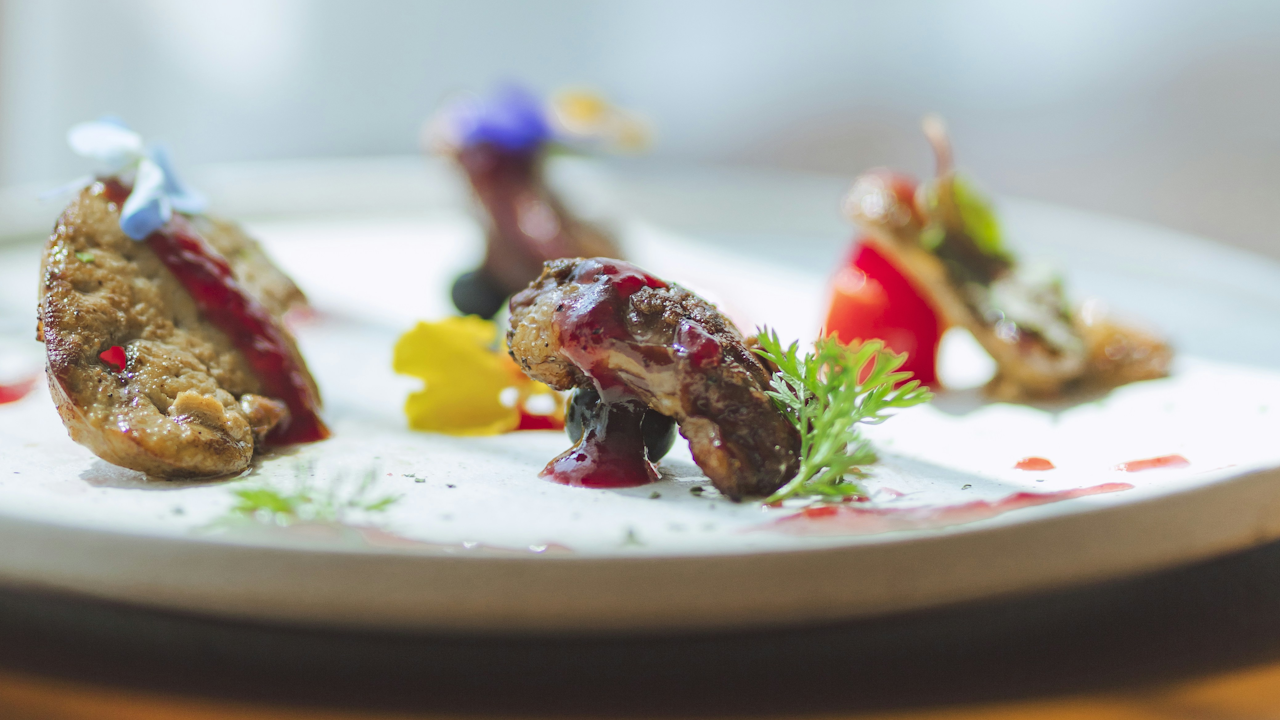
From the moment a plate lands on the table, the experience of a meal begins long before the first bite. The arrangement of colors, shapes, and textures creates an immediate impression that shapes expectations and influences how the food will ultimately taste. This phenomenon is often summarized in the saying that we eat with our eyes first. Plating, the deliberate art of presenting food on a plate, transforms a simple dish into a multisensory event. It is not merely decoration but a calculated composition rooted in psychology, culture, and culinary tradition. In an era when restaurants compete for attention on social media and home cooks seek to elevate everyday meals, understanding the principles of plating reveals why visual appeal matters as much as flavor itself.
The idea that sight precedes taste has deep roots in human evolution and neuroscience. Our ancestors relied on visual cues to assess whether food was safe and nutritious. Bright colors often signaled ripeness or freshness, while symmetry and balance suggested careful preparation. Modern research confirms these instincts remain powerful. Studies in sensory science demonstrate that attractive plating can enhance perceived flavor by up to 20 percent. When a dish looks harmonious and inviting, the brain releases dopamine, creating anticipation that amplifies enjoyment. Conversely, a sloppy or unappealing presentation can dull the palate even if the ingredients are identical. This effect is so pronounced that identical recipes served in different arrangements score differently in blind taste tests. Diners consistently rate the same food higher when it is thoughtfully composed, proving that the eyes set the stage for the tongue.
Historically, plating evolved alongside dining customs. In ancient Rome and imperial China, feasts featured elaborate displays where food was stacked or arranged to symbolize status and abundance. Medieval European banquets used trenchers and large platters to showcase roasted meats surrounded by vibrant fruits and herbs. The turning point came in the 17th and 18th centuries with French haute cuisine, where chefs like Francois Pierre La Varenne emphasized elegance. By the 1970s, nouvelle cuisine revolutionized the plate with minimalist arrangements, smaller portions, and negative space that invited the diner to focus on each element. Chefs such as Paul Bocuse and Michel Guerard treated the plate as a canvas, using sauces as brushstrokes and vegetables as accents. Today, contemporary plating draws from these traditions while incorporating influences from Japanese kaiseki, where seasonal ingredients are positioned with almost architectural precision to reflect nature, and from molecular gastronomy, where foams and spheres create surprising visual effects.
At its core, successful plating follows a set of universal principles that guide both professional chefs and ambitious home cooks. Balance is the foundation. A plate should feel neither overcrowded nor empty. Chefs often divide the plate into imaginary quadrants and distribute components so that no single area dominates. Proportion matters equally. A towering stack of protein might overwhelm delicate garnishes, while a scattering of microgreens can appear lost without a focal point. Color contrast adds drama and appetite appeal. Bright reds from tomatoes or beets pop against green herbs, while golden seared scallops stand out on a dark slate plate. Monochromatic dishes risk looking dull, so thoughtful cooks introduce complementary hues that echo the flavors themselves. A dish built around earthy mushrooms, for example, gains life from a sprinkle of bright chervil or a crimson reduction.
Texture provides another layer of visual interest that hints at the mouthfeel to come. Creamy purees contrast with crisp fried elements, and glossy sauces glisten next to matte grains. Height creates dimension, drawing the eye upward and suggesting complexity. A simple grilled chicken breast becomes more compelling when elevated on a bed of risotto with a vegetable tuile leaning against it like a modern sculpture. Negative space, the empty area around the food, prevents clutter and allows each ingredient to breathe. It is the culinary equivalent of white space in graphic design, guiding the diner’s gaze and preventing visual fatigue. Even the choice of plate influences the final effect. A wide, shallow bowl cradles saucy preparations, while a rectangular platter suits linear arrangements of sashimi. Dark plates intensify vibrant colors, and white ones offer neutrality that lets ingredients shine.
Sauces and garnishes function as finishing touches that elevate plating from functional to artistic. A well-executed swipe of sauce across the plate can suggest movement and energy. Chefs use squeeze bottles to create precise dots, lines, or abstract patterns that complement rather than compete with the main components. Garnishes must serve a purpose beyond decoration. Edible flowers add delicate color and subtle flavor, while micro herbs reinforce the dish’s theme without overwhelming it. Crispy shallots or toasted nuts introduce textural pops that also signal crunch. The key is restraint. Overgarnishing turns a plate into a cluttered mess, whereas a single strategically placed element can transform the composition.
Cultural perspectives on plating reveal fascinating differences shaped by tradition and values. In French and Italian fine dining, the emphasis often lies on abundance and classical symmetry, reflecting centuries of opulent court culture. Japanese presentations prioritize minimalism and seasonality, with each element placed to evoke wabi-sabi, the beauty of imperfection and transience. A kaiseki meal might feature a single slice of fish resting on a leaf, accompanied by a tiny mound of wasabi and a delicate pickle, inviting contemplation rather than immediate consumption. Indian thalis arrange multiple small bowls in a circular pattern that symbolizes completeness and hospitality. Street food cultures, by contrast, embrace vibrant chaos where overlapping colors and bold garnishes signal freshness and generosity. These variations show that plating is never neutral. It communicates identity, respect for ingredients, and the diner’s anticipated experience.
In professional kitchens, plating is a disciplined craft taught through repetition and mentorship. Line cooks learn to plate dozens of identical dishes with consistency under pressure. They use templates, tweezers, and brushes to achieve precision. Many restaurants develop signature styles that become part of their brand identity. A restaurant known for rustic Italian cooking might favor family-style platters with herbs scattered generously, while a modernist tasting-menu venue could present each course as a miniature landscape. The rise of social media has intensified the focus on plating. Instagram and TikTok reward photogenic dishes that translate well in two dimensions. Chefs now consider lighting, angles, and color saturation when designing menus, knowing that a viral photo can drive reservations. This digital influence has democratized plating knowledge, allowing home cooks to study techniques from global kitchens without leaving their living rooms.
Yet the art extends beyond restaurants into everyday life. Home cooks who master basic plating principles can elevate weeknight dinners and impress guests without extra expense. Start with a clean, warm plate to prevent sauces from congealing. Wipe the rim with a clean cloth for a polished finish. Use odd numbers of components, as three or five elements create natural visual rhythm. Experiment with height by stacking or leaning ingredients. Practice sauce techniques on parchment paper before committing to the plate. Even simple adjustments, such as fanning avocado slices instead of piling them or scattering pomegranate seeds for jewel-like pops of color, can make a salad feel restaurant-worthy. The goal is not perfection but intention. A plate that shows care signals respect for the ingredients and the people sharing the meal.
Scientific studies continue to uncover deeper reasons why plating matters. Functional magnetic resonance imaging reveals that visually appealing food activates the same reward centers in the brain as actual consumption. This pre-taste stimulation influences everything from portion control to overall satisfaction. In hospitals and schools, improved plating has been shown to increase consumption of nutritious foods among patients and children who might otherwise refuse them. Elderly diners eat more when meals look appetizing, combating malnutrition. These findings underscore plating as a tool with practical applications far beyond luxury dining.
Modern trends continue to evolve the practice. Sustainability influences plating as chefs minimize waste by using every part of the vegetable or presenting smaller, more focused portions. Plant-based dishes challenge traditional protein-centric arrangements, pushing cooks to treat vegetables as stars rather than supporting players. Fermentation and pickling introduce new colors and textures that expand creative possibilities. Technology also plays a role. Some chefs use 3D-printed elements or edible films to create shapes impossible with conventional tools. Others draw inspiration from architecture and contemporary art, treating plates as installations that tell a story.
Despite these innovations, the fundamental truth remains unchanged. Plating bridges the gap between preparation and consumption. It turns cooking into a performative act and eating into a dialogue between chef and diner. A beautifully plated dish invites curiosity, slows the pace of the meal, and encourages conversation. It transforms necessity into pleasure and routine into ritual.
In the end, the art of plating reminds us that food is more than fuel. It is memory, emotion, and connection rendered visible. When we take time to arrange a plate with thoughtfulness, we honor the ingredients, the effort behind them, and the people who will enjoy them. We affirm that beauty and flavor are inseparable partners in the shared human experience of eating. Whether in a Michelin-starred dining room or at a kitchen counter after a long day, the principle holds: we eat with our eyes first, and that first impression lingers long after the last bite is gone. By mastering the visual language of food, anyone can create moments of delight that nourish both body and spirit.