

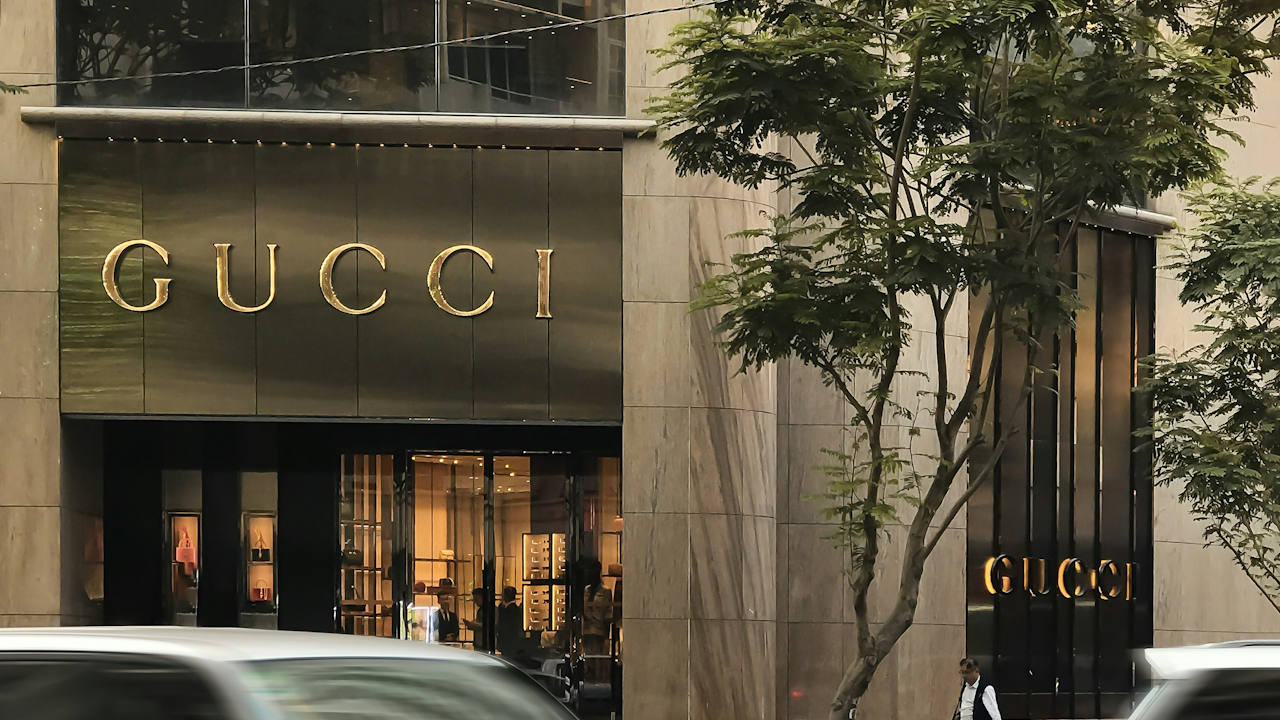
Luxury in fashion is a word tossed around with such frequency that it risks losing all meaning. Walk into any department store or scroll through social media and you will encounter brands claiming the mantle of luxury simply because their price tags stretch into the hundreds or thousands. Yet true luxury transcends cost. It is not a marketing slogan or a seasonal trend. It is a philosophy rooted in history, executed through unparalleled skill and sustained by an unwavering commitment to excellence that ordinary commerce cannot replicate. This article explores the defining characteristics that separate genuine luxury fashion labels from those that merely aspire to the title. By examining heritage, craftsmanship, materials, exclusivity, design philosophy, emotional resonance, customer experience and contemporary responsibilities, we uncover what elevates a label to the rarefied realm of the truly luxurious.
The foundation of any authentic luxury fashion house lies in its heritage and legacy. The most revered names did not emerge overnight or through viral marketing campaigns. They evolved over decades, sometimes centuries, accumulating stories that become inseparable from their identity. Consider the enduring power of houses established in the nineteenth or early twentieth century. Their archives contain not merely garments but cultural artifacts that document shifts in society, art and technology. This historical depth creates an aura of authenticity that cannot be manufactured. When a label can trace its techniques back to specific ateliers in Paris, Florence or London and demonstrate continuity in its approach, it commands respect that newer entrants struggle to match. Heritage provides context. It reassures the discerning customer that the brand has survived economic upheavals, changing tastes and technological disruptions because its core values remain intact. Without this lineage, a label may achieve temporary success through clever branding, but it lacks the gravitational pull that draws collectors and connoisseurs across generations.
Craftsmanship stands as the most tangible expression of luxury. In an era dominated by automated production lines and global supply chains, true luxury labels insist on handwork that borders on the obsessive. Artisans spend years mastering skills passed down through apprenticeships that resemble medieval guilds more than corporate training programs. A single handbag might require hundreds of individual steps performed by specialists who understand leather the way a sculptor understands marble. Seams are hand-stitched with precision that machines cannot duplicate. Hardware is polished and assembled by hand to ensure perfect alignment and enduring functionality. This level of labor is inefficient by design. It rejects the logic of mass production because efficiency would compromise the end result. The customer who invests in such a piece does not simply purchase an object. She acquires the evidence of human dedication, time and expertise that no algorithm or assembly line can replicate. Labels that outsource these processes to lower-cost facilities while retaining only the nameplate forfeit their claim to luxury. The public may not see the difference immediately, yet connoisseurs recognize the absence of soul in the finished product.
Materials form the bedrock upon which craftsmanship rests. Luxury fashion distinguishes itself through the obsessive selection of raw elements that meet standards unattainable at scale. Leather is sourced from specific regions and tanneries known for centuries-old methods that produce hides with exceptional suppleness, depth of color and resistance to wear. Silk comes from controlled sericulture operations that yield threads of uniform thickness and natural luster. Cashmere is harvested from particular breeds of goat raised in harsh climates that produce the finest undercoat fibers. Precious metals and gemstones are chosen not merely for appearance but for their ability to endure generations of use without degradation. These choices are not cost-saving measures. They are deliberate investments in longevity and sensory pleasure. The wearer experiences the difference immediately: the way a fabric drapes, the subtle scent of quality leather, the cool weight of a well-crafted clasp. Inferior substitutes may mimic the look for a season, but they reveal their shortcomings through fading, pilling or structural failure. True luxury materials are selected with the expectation that the garment or accessory will improve with age rather than deteriorate.
Exclusivity and scarcity represent another pillar that cannot be faked. Luxury brands understand that rarity enhances desirability. Limited production runs, waiting lists and controlled distribution channels create an environment where not everyone who desires an item can obtain it immediately. This is not artificial gatekeeping for its own sake. It stems from the practical reality that true craftsmanship cannot be accelerated without sacrificing quality. When demand outstrips the capacity of skilled artisans, the brand maintains standards rather than compromising them to meet market pressure. The result is a controlled supply that preserves value over time. Secondary markets for vintage pieces from genuine luxury houses often show appreciation rather than depreciation, proving that the item retains intrinsic worth beyond its original purchase price. Brands that flood the market with identical products or create endless diffusion lines dilute this principle. They may generate short-term revenue, but they erode the perception of rarity that defines luxury. The customer who waits months for a specific piece understands she is acquiring something singular rather than one unit in an unlimited series.
Design philosophy separates luxury from mere fashion. While trends come and go, authentic luxury labels pursue a vision of timelessness informed by innovation. Creative directors build upon the house codes established by founders while introducing subtle evolutions that respect tradition without becoming prisoners to it. The goal is not to shock or provoke for attention but to create objects that feel inevitable once seen. Proportion, balance and functionality merge with aesthetic refinement. A garment must flatter the body, allow movement and endure repeated wear while still conveying elegance. This requires restraint. Not every collection needs to reinvent the wheel. Instead, the best designers refine details: the perfect placement of a pocket, the ideal length of a hem, the precise curve of a lapel. Innovation appears in unexpected places, perhaps through new techniques for pleating fabric or novel methods of embellishment that enhance rather than overwhelm. The result is clothing and accessories that transcend seasonal fads. They become wardrobe foundations that remain relevant years after purchase.
The emotional and symbolic value of luxury fashion cannot be quantified on a balance sheet yet it drives purchasing decisions at the highest level. Owning a piece from a true luxury label connects the wearer to a narrative larger than herself. It signals membership in a cultural continuum that values beauty, excellence and permanence. The logo, when present, serves as a discreet marker of discernment rather than a loud declaration of wealth. Many luxury houses have reduced visible branding over time precisely because their customers understand the inherent quality without needing external validation. This symbolic power extends beyond status. A well-made garment can elevate mood, inspire confidence and create a sense of continuity across life events. It becomes an heirloom passed to the next generation, carrying stories of its previous owners. Fast fashion cannot replicate this emotional depth because its products are designed for disposability. Luxury items invite attachment. They reward the owner who cares for them properly and they repay that care with decades of reliable service.
Customer experience completes the luxury equation. From the moment of first contact through years of ownership, the interaction must reflect the same standards applied to the product itself. Sales associates possess deep product knowledge and genuine enthusiasm rather than scripted sales pitches. Stores function as cultural sanctuaries rather than transactional spaces, with architecture and ambiance that reinforce the brand narrative. After-sales service includes repairs, restorations and personalization options executed by the same artisans who created the original piece. This ongoing relationship transforms a purchase into a partnership. The customer feels valued as an individual rather than a revenue source. In contrast, brands that treat service as an afterthought reveal their true priorities. They may sell expensive goods but they fail to deliver the holistic experience that justifies the luxury designation.
The modern luxury landscape introduces new challenges and responsibilities. Sustainability has moved from optional marketing talking point to essential criterion for legitimacy. Forward-thinking houses invest in traceable supply chains, regenerative agriculture for raw materials and circular production models that minimize waste. They confront the environmental cost of fashion without compromising the quality that defines them. Ethical labor practices extend beyond legal compliance to genuine support for artisan communities. Innovation now encompasses technological advancements that enhance rather than replace traditional methods, such as digital tools for pattern making that reduce material waste or blockchain systems for provenance verification. Labels that ignore these imperatives risk appearing outdated or irresponsible. Consumers with means increasingly demand alignment between values and purchases. True luxury adapts while preserving its core identity rather than chasing every cultural shift.
Distinguishing genuine luxury from imposters requires careful observation. High prices alone prove nothing. Many contemporary brands charge premium rates for mass-produced items manufactured in the same facilities as more affordable labels. Hype generated through influencer campaigns or limited-edition drops creates temporary excitement but rarely builds lasting equity. Logos plastered across every surface often indicate insecurity rather than confidence. True luxury whispers. It relies on the intrinsic qualities of the object to communicate value. The discerning buyer examines construction details, material authenticity and brand history rather than celebrity endorsements or social media buzz. She asks whether the item will improve with age, whether it serves a purpose beyond display and whether the brand demonstrates consistent standards across its entire range.
In conclusion, a fashion label earns the designation of true luxury through a combination of factors that together create something greater than the sum of their parts. Heritage provides depth. Craftsmanship delivers quality. Materials ensure longevity. Exclusivity maintains desirability. Design philosophy offers timelessness. Emotional resonance creates connection. Customer experience fosters loyalty. Responsible practices secure relevance for future generations. These elements cannot be assembled quickly or purchased as a package. They require decades of disciplined commitment from founders, artisans and stewards who view their work as a cultural trust rather than a commercial venture. In a world increasingly dominated by speed and superficiality, such labels stand as reminders that excellence remains possible when profit is subordinated to purpose. The customer who recognizes and supports these houses does more than acquire beautiful objects. She participates in the preservation of standards that enrich human experience and remind us that some things are worth the wait, the care and the investment. True luxury, ultimately, is not about owning the most expensive item. It is about owning the most meaningful one.