

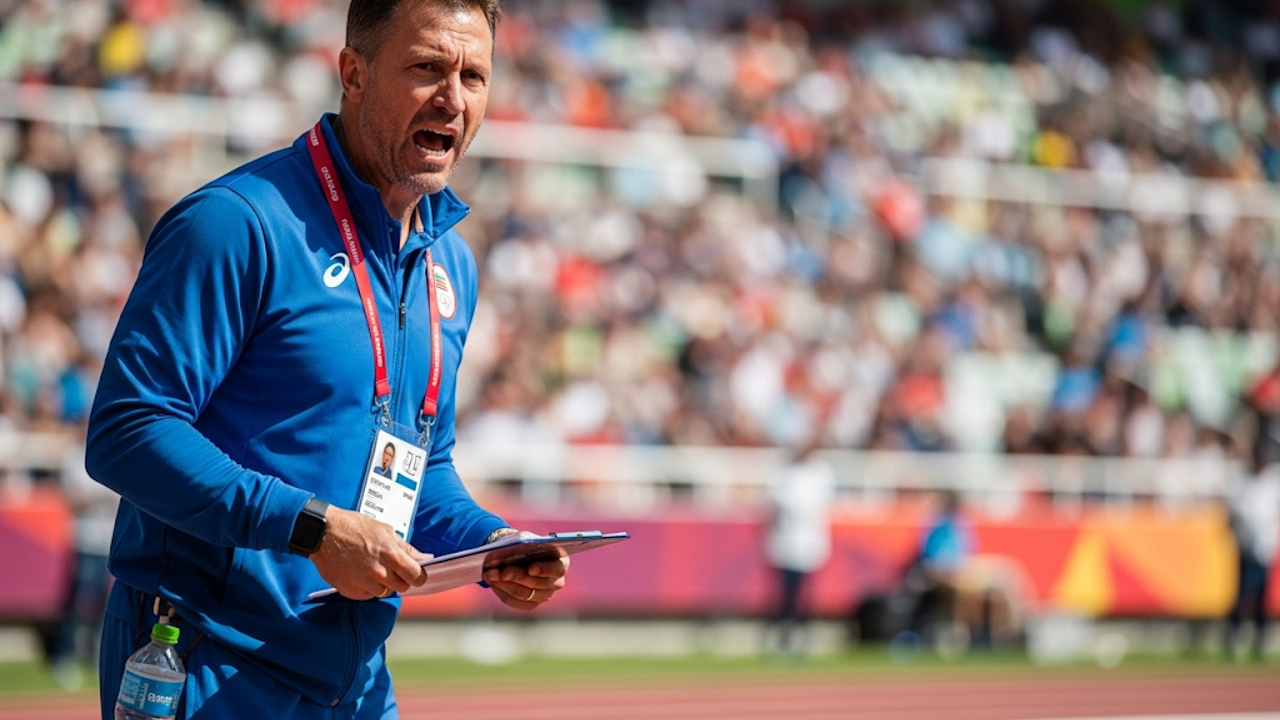
The Olympic Games stand as the ultimate stage for athletic excellence, where split-second performances and lifelong dreams converge under global scrutiny. Yet behind every podium finish lies a coach whose influence often spans decades. Olympic-level coaches do not emerge overnight. They build careers through deliberate preparation, relentless effort, and an unwavering commitment to athlete development. This demanding path requires a precise combination of formal education, progressive certifications, extensive practical experience, deep technical knowledge, leadership acumen, and personal resilience. While requirements vary by sport and national governing body, the core elements remain consistent across disciplines. Aspiring coaches must navigate a multi-year journey that tests their dedication at every turn.
The foundation begins with education. Most successful Olympic coaches hold at least a bachelor’s degree in fields such as sports science, kinesiology, exercise physiology, or a related discipline. This academic grounding provides essential knowledge of human anatomy, biomechanics, training principles, and injury prevention. Many pursue advanced degrees or specialized coursework to refine their expertise. For instance, a bachelor’s degree in sports science or a related field often serves as a prerequisite for higher-level certifications in sports like weightlifting. Such education equips coaches to understand not only how athletes move but why certain training methods yield superior results. Without this base, even talented instructors struggle to design programs that optimize performance while minimizing risk.
Formal certifications follow education and serve as gateways to professional recognition. National governing bodies oversee these programs, creating structured pathways from entry-level to elite credentials. In the United States, organizations such as USA Track and Field, USA Weightlifting, and USA Swimming maintain tiered systems. USA Track and Field’s Level 1 certificate, for example, requires candidates to be at least 18 years old, hold current membership, complete specific coursework, and pass examinations focused on coaching philosophy, athlete development, and safety. This credential prepares coaches for junior, high school, and club levels. Higher tiers demand progressively more experience. Level 2 requires three years of coaching and emphasizes event-specific technical skills, while Level 3 targets those ready for championship-level athletes after additional years and proven success. Similar progressions exist in other sports. USA Weightlifting certifications start with foundational courses for beginners and advance to levels suitable for national and international competition, often requiring prior hands-on experience with Olympic lifts.
Beyond sport-specific credentials, universal requirements apply. Coaches must complete first aid and CPR training, concussion awareness programs, SafeSport education to prevent abuse, and criminal background checks renewed every two years. These safeguards protect athletes and maintain the integrity of the profession. The United States Olympic and Paralympic Committee supports coach development through resources, workshops, and frameworks but delegates primary certification to national governing bodies. Internationally, programs like Canada’s National Coaching Certification Program or the International Coaching Enrichment Certificate Program offer advanced training in areas such as talent identification, athlete safety, and high-performance management. Completing these steps establishes credibility and opens doors to competitive opportunities.
Experience forms the true cornerstone of Olympic coaching. No certification alone qualifies someone for the Games. Coaches typically begin at the grassroots level as volunteers or assistants with youth clubs, high school teams, or recreational programs. They spend years refining their craft, learning to adapt plans to individual athletes, and building a track record of measurable improvement. Many accumulate a decade or more before guiding athletes to national championships. To reach Olympic selection, coaches must demonstrate the ability to produce competitors who meet stringent qualification standards set by international federations and national committees. This often means coaching athletes through multiple Olympic cycles, adjusting strategies for four-year peaks in performance.
Practical experience also involves trial and error. Early in their careers, coaches experiment with training methods, observe outcomes, and adjust based on results. They learn to balance volume and intensity, incorporate recovery protocols, and address psychological barriers. Success at lower levels builds a portfolio that national selectors notice. For weightlifting coaches, at least one year of hands-on training in the Olympic lifts is commonly required before advanced certifications. In track and field, coaches must show sustained involvement at regional and national meets. The progression is deliberate: from local meets to continental championships to world events, each step proving the coach’s capacity to elevate performance under increasing pressure.
Technical expertise extends far beyond basic instruction. Olympic coaches master the science of sport. They study periodization models that structure training across macrocycles, mesocycles, and microcycles to align with competition calendars. Knowledge of biomechanics helps them analyze movement patterns and correct inefficiencies that could cost milliseconds or increase injury risk. Nutrition, sleep science, and recovery strategies become daily tools. Many collaborate with sports psychologists, physiotherapists, and data analysts to create comprehensive support systems. Staying current with research is non-negotiable. Advances in wearable technology, genetic testing, and load monitoring allow coaches to personalize programs in ways unimaginable a generation ago. Those who fail to evolve risk falling behind peers who leverage evidence-based methods.
Leadership and interpersonal skills distinguish elite coaches from competent ones. Olympic athletes operate in high-stakes environments where mental fortitude often determines outcomes. Coaches must inspire trust, communicate clearly, and foster resilience. They manage not only athletes but also support staff, parents, sponsors, and federation officials. Emotional intelligence enables them to navigate conflicts, celebrate successes, and provide constructive feedback during setbacks. Adaptability proves critical when plans change due to injury, selection disputes, or external factors like venue conditions or travel disruptions. Successful coaches cultivate a growth mindset in their athletes, emphasizing process over immediate results.
Psychological preparation receives equal weight. Olympic coaches teach athletes to handle pressure, visualize success, and maintain focus amid distractions. They create training environments that simulate competition intensity, building mental toughness over years. Leadership also involves ethical decision-making. Coaches uphold anti-doping standards, promote fair play, and prioritize athlete well-being over short-term gains. Violations can end careers and tarnish legacies, so integrity remains paramount.
Navigating the Olympic system demands political savvy and strategic foresight. Qualification pathways differ by sport and country but generally involve performance standards, ranking lists, and selection committees. Coaches must understand these rules intimately to position their athletes advantageously. They attend international camps, build relationships with federation leaders, and advocate effectively for their charges. International experience helps coaches appreciate cultural nuances and adapt to global competition schedules. Travel becomes routine, requiring flexibility and strong organizational skills. Many spend months away from home each year, balancing personal life with professional demands.
Personal sacrifices define the lifestyle. Olympic coaching rarely offers immediate financial rewards. Early career stages often involve low pay, irregular hours, and volunteer work. Even established coaches face long days, weekend commitments, and frequent relocations. Family time suffers. Vacations are rare, and personal hobbies may fade. The pressure to deliver results can lead to burnout if not managed carefully. Yet many describe the role as profoundly rewarding, citing the privilege of witnessing athletes achieve their dreams. Resilience helps coaches weather criticism from media, fans, or unsuccessful selections. They learn to compartmentalize setbacks and focus on long-term development.
Real-world examples illustrate these principles in action. Bob Bowman exemplifies the long road to Olympic prominence. A former competitive swimmer at Florida State University, Bowman earned a degree in developmental psychology. He began coaching as an assistant at Florida State and with local clubs in the late 1980s. Over the next decade, he held positions with several club programs, honing his methods and building programs from modest foundations. In 1996, he joined the North Baltimore Aquatic Club, where he started working with a young Michael Phelps. Through consistent, science-driven training and meticulous planning, Bowman guided Phelps to unprecedented success, including eight gold medals at the 2008 Beijing Olympics. Bowman served as an assistant coach for U.S. teams at the 2004, 2008, and 2012 Games before becoming head men’s coach for the 2016 Rio Olympics. He later led programs at the University of Michigan and Arizona State University while continuing to produce Olympians. His career demonstrates the value of patience, continuous learning, and building deep athlete-coach relationships over years.
Other coaches follow parallel paths. In track and field, figures like Glen Mills in Jamaica rose through club coaching to mentor world-record sprinters by emphasizing technique and mental preparation. Gregg Troy in swimming built a collegiate powerhouse at the University of Florida before leading national teams. These stories share common threads: starting small, accumulating experience, and adapting to evolving demands of elite sport.
Challenges persist at the highest level. Competition for Olympic coaching spots is fierce, with selection often based on recent athlete performances and federation politics. Coaches face scrutiny from athletes, media, and governing bodies. Funding limitations can restrict access to cutting-edge resources. Global events introduce variables such as jet lag, unfamiliar climates, and heightened security. Maintaining motivation across four-year cycles requires exceptional stamina. Despite these obstacles, many coaches thrive by prioritizing athlete-centered approaches and surrounding themselves with strong support networks.
In conclusion, becoming an Olympic-level coach demands far more than passion for sport. It requires a systematic blend of education, certification, hands-on experience, scientific mastery, leadership prowess, and personal fortitude. The journey spans years of incremental progress and inevitable setbacks, yet those who persevere gain the opportunity to shape history. For aspiring coaches, the message is clear: commit fully, learn continuously, and place athlete growth above all else. The path is arduous, but the impact on individual lives and sporting legacies makes every sacrifice worthwhile. Those ready to embrace the full spectrum of responsibilities may one day stand poolside, trackside, or courtside as the world watches their athletes chase Olympic glory.