

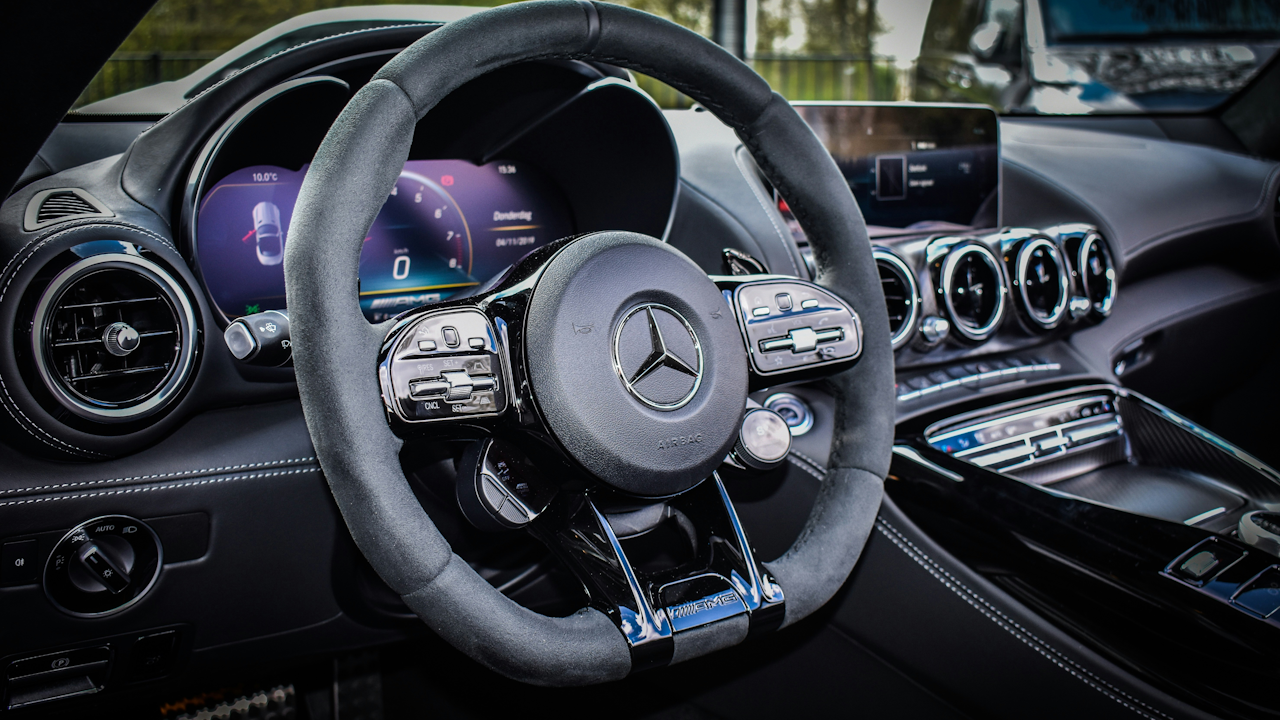
In the realm of automotive excellence, exteriors capture attention with their sculpted forms and dramatic silhouettes, yet it is the interior that creates an intimate, lasting bond with the driver and passengers. A truly beautiful car interior combines exceptional craftsmanship, premium materials, thoughtful ergonomics, and a sense of artistry that transforms a simple cabin into a moving sanctuary. These spaces evoke emotion through tactile luxury, visual harmony, and innovative details that reward every glance and touch. From the handcrafted opulence of bespoke British limousines to the futuristic minimalism of modern electric vehicles and the purposeful elegance of historic icons, the most beautiful car interiors ever made stand as testaments to human ingenuity and design passion. This exploration highlights standout examples across eras and categories, each one redefining what it means to sit inside a machine.
At the pinnacle of automotive luxury sits the Rolls-Royce Phantom, a vehicle whose cabin feels less like a car interior and more like a private art gallery suspended in motion. Every Phantom requires hundreds of hours of meticulous handwork, with some examples demanding up to 800 hours to complete. The signature Starlight Headliner features more than 1,600 individual fiber-optic lights embedded in the roof lining, arranged to mimic real constellations that owners can customize to match their favorite night skies. Below it, the dashboard incorporates The Gallery, a glass-fronted display case that can house bespoke sculptures, gold-plated artworks, or personalized commissions from renowned artists. Soft lambswool carpets cushion the feet like clouds, while open-pore wood veneers receive hand-polishing to reveal natural grain patterns. Rear seats recline into lounge positions with massage functions, and thick soundproofing layers exceeding 287 pounds create an almost library-like silence. The rear-hinged doors close with a gentle whisper via an electric button, sealing occupants in a cocoon of serenity. This interior does not merely transport; it elevates travel into an experience of refined isolation and wonder.
Closely rivaling the Phantom in sheer indulgence is the Bentley Continental GT, which masterfully balances British heritage with contemporary sophistication. The cabin showcases diamond-quilted leather seats that require precisely 148,199 stitches each, executed by skilled artisans who select hides from the finest sources. A standout innovation is the 12.3-inch touchscreen that rotates smoothly to reveal either analog gauges or a sleek wood panel, allowing drivers to toggle between digital precision and classic elegance. Sustainably sourced veneers such as Koa or Crown Cut Walnut line the doors and dashboard, their rich tones warmed by hand-applied lacquer. A 20-speaker Naim audio system delivers concert-hall acoustics, while every stitch, thread color, and trim element can be personalized through Bentley’s extensive customization program. The result is a space that feels warm and inviting yet technologically advanced, where the eye lingers on the interplay of leather, wood, and metal, and the hands appreciate the substantial feel of controls engineered for tactile delight. This interior redefines grand touring as an art form of comfort and refinement.
For those drawn to dramatic, artistic expression in a supercar setting, few interiors match the Pagani Huayra. Designed by Horacio Pagani as a realization of ideas that technology had previously limited in the Zonda, the Huayra cockpit resembles a steampunk spaceship brought to life through carbon fiber, titanium, and leather. Instrument dials are milled from wafer-thin titanium sheets, catching light with jewel-like precision. Exposed gear selector linkages and seat-adjustment turrets add mechanical theater, turning functional elements into sculptural highlights. The entire cabin celebrates advanced material science, with carbon fiber woven into intricate patterns that evoke movement even when stationary. Leather surfaces receive precise hand-stitching, and the overall layout prioritizes the driver while surrounding occupants with an atmosphere of mechanical poetry. This interior stands out for its over-the-top yet harmonious blend of artistry and engineering, making every drive feel like piloting a work of kinetic sculpture.
No discussion of extraordinary cabins would be complete without the Spyker C8, often described as the most sensational automotive artwork to emerge from the Netherlands. Its interior evokes comparisons to a Vincent van Gogh painting through intricate detailing and an almost obsessive focus on craftsmanship. Switchgear on the center console receives particular acclaim for its jewel-like precision and layered construction, creating a tactile landscape that rewards exploration. Exposed mechanical elements blend with luxurious materials to produce a cockpit that feels both vintage-inspired and radically modern. The design rejects minimalism in favor of layered complexity, where every knob, lever, and surface contributes to a cohesive narrative of Dutch engineering flair. Drivers and passengers alike describe the space as immersive and emotionally resonant, a true gallery piece on wheels that elevates the act of driving into performance art.
Shifting to German precision with a wellness focus, the Mercedes-Maybach S-Class transforms the rear cabin into a mobile spa. Executive rear seats recline to a 43.5-degree angle, complete with calf rests, heating, ventilation, and massage programs that target specific pressure points. Built-in champagne chillers and fold-out tables enhance the lounge-like atmosphere, while the ENERGIZING Comfort+ system synchronizes ambient lighting, climate control, and subtle fragrances such as crisp linen or tropical citrus to create personalized moods. A 31-speaker Burmester audio setup includes exciters embedded in the seats so occupants literally feel the bass. Double-pane glass and extensive soundproofing isolate the cabin from external noise, allowing conversation or relaxation at any speed. Up front, the dashboard integrates seamlessly with haptic feedback screens that respond to touch with gentle vibrations. This interior prioritizes holistic comfort, blending technology with sensory indulgence to make long journeys feel restorative rather than tiring.
Japanese craftsmanship shines in the Lexus LS, where serenity meets meticulous detail. Kiriko glass accents on the doors employ traditional cut-glass techniques to scatter light into rainbow patterns, adding subtle dynamism to the cabin. The dashboard features Shimamoku wood trim, a process involving 67 days of layering thin veneers and hand-sanding to achieve a distinctive rippled effect that appears almost three-dimensional. Semi-aniline leather seats feel supple like a second skin, while a Mark Levinson sound system delivers immersive three-dimensional audio. The overall design draws from Zen principles of balance and restraint, using soft lighting and high-quality materials to create a calming environment that contrasts with the hurried world outside. This cabin proves that beauty can emerge from patience and precision rather than ostentation alone.
Among classic designs, the 1953 Citroën DS interior remains a benchmark of elegant innovation. Flaminio Bertoni’s single-spoke steering wheel offers unobstructed views of the instruments and a light, responsive feel that enhances driver connection. The dashboard flows with graceful curves, complemented by overstuffed seats that cradle occupants in comfort. Despite its age, the layout feels remarkably modern in its emphasis on visibility and simplicity, avoiding clutter while delivering a sense of futuristic poise. This cabin helped redefine automotive interiors as spaces of refined living rather than mere utility, influencing generations of designers.
Equally timeless is the 1934 Bugatti Type 57 Atlantic cabin, where Jean Bugatti crafted an interior worthy of a luxury yacht. A wooden dashboard displays rich grain patterns, paired with a massive yet elegantly thin steering wheel that conveys both authority and delicacy. Materials and proportions create an atmosphere of understated grandeur, with every element contributing to a harmonious whole. The space feels intimate yet expansive, rewarding the senses with tactile warmth and visual balance that has endured for nearly a century.
The 1992 McLaren F1 interior takes a different approach, prioritizing driver focus within a carbon-fiber cocoon. A central, wafer-thin driver’s seat flanked by two passenger seats creates a unique three-abreast layout that places the pilot at the heart of the experience. Exposed carbon fiber weaves throughout, offering lightweight strength and raw aesthetic appeal. Minimalist yet purposeful detailing ensures that every control falls naturally to hand, proving that beauty can reside in functional purity as much as lavish excess.
Modern surprises also deserve recognition. The Peugeot 208 demonstrates that affordability need not sacrifice style, with its i-Cockpit featuring a compact steering wheel positioned low for better visibility and a high-mounted 3D instrument display. Touchscreen interfaces hide most controls cleanly, and materials feel unexpectedly premium compared to rivals in higher segments. This cabin brings rebellion and sophistication to everyday driving, proving beauty exists across price points.
The Volvo S90 offers Scandinavian minimalism at its finest, with light woods and supple leathers creating a retreat-like atmosphere that soothes the spirit. Clean lines, intuitive controls, and a serene color palette turn traffic into a peaceful interlude, emphasizing well-being over flash.
Finally, the Audi A8 Horch and its variants exemplify refined German engineering. Hidden dual touchscreens provide haptic feedback, while chrome-quilted Valcona leather and rising tweeters from the Bang & Olufsen system add dramatic flair. Heated footrests with massage functions and executive rear seating complete a cabin that merges technology with imperial comfort.
These interiors, spanning decades and philosophies, share a common thread: they transcend transportation to become extensions of personal taste and human aspiration. Whether through celestial lighting, hand-stitched opulence, mechanical theater, or minimalist calm, they invite us to linger, appreciate, and dream. As automotive design evolves with electrification and new materials, the pursuit of beauty in car interiors remains constant, reminding us that the most memorable journeys begin the moment we close the door and settle into a space crafted with passion. In these cabins, engineering meets emotion, and the ordinary becomes extraordinary.