

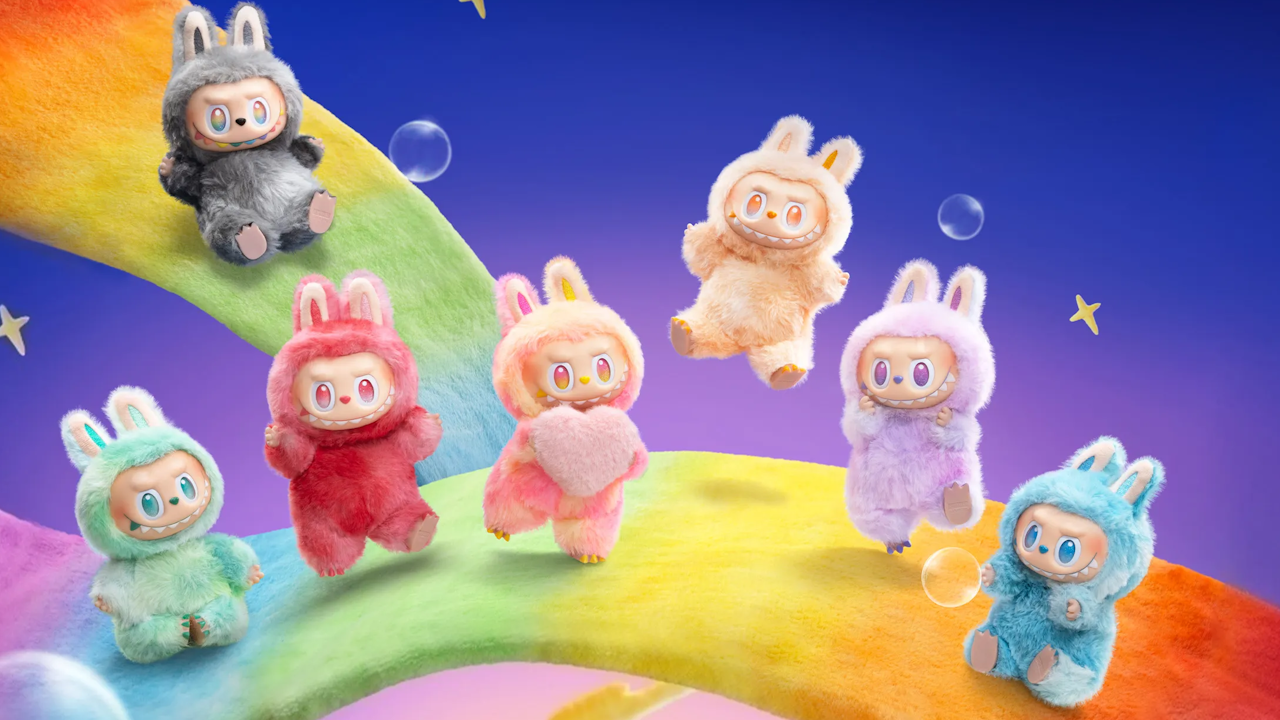
Labubu is a line of collectible plush toys and figurines that has taken the world by storm in recent years. These whimsical creatures, characterized by their pointed ears, wide eyes, furry bodies, and a signature mischievous grin revealing nine sharp teeth, have become a global phenomenon. They blend elements of cuteness with a slightly edgy, chaotic charm, often described as “ugly cute” or “mischievous yet endearing.” Far from traditional cuddly toys, Labubu figures appeal to a broad audience, particularly young adults, who treat them as both collectibles and fashion accessories.
At their core, Labubu characters belong to a fictional tribe called “The Monsters.” Labubu herself is depicted as a kind-hearted but clumsy elf-like monster who always means well but often ends up causing minor chaos. This personality adds depth and relatability, making the toys more than just objects. They come in various forms, including small vinyl figurines, larger plush dolls, keychains, and bag charms. The most popular versions are sold through Pop Mart’s blind box format, where buyers purchase a sealed box without knowing which specific design they will receive until they open it.
Origins and History
Labubu was created by Hong Kong-born artist Kasing Lung. Born in 1972, Lung moved to the Netherlands at a young age and developed a deep love for Nordic fairy tales and folklore. This influence is evident in the design of Labubu and her companions, who draw from elvish and mythical creatures in those stories. In 2015, Lung introduced the characters through an illustrated picture book series titled “The Monsters.” The books featured a playful tribe of female elves, with Labubu as a central figure.
Initially, the characters were produced as figurines by a company called How2Work. However, their breakthrough came in 2019 when Pop Mart, a Chinese designer toy company known for its blind box model, began collaborating with Lung to turn Labubu into mass-produced collectibles. Pop Mart had already found success with other series like Molly, but Labubu quickly became one of its flagship lines. For several years, the toys remained popular mainly in Asia, but they did not achieve worldwide mania until 2024.
The explosion in popularity can be traced to social media and celebrity endorsements. Thai-born K-pop star Lisa of BLACKPINK played a pivotal role when she shared photos on Instagram in April 2024 cuddling and displaying her Labubu dolls. Other celebrities, including Rihanna, Dua Lipa, Kim Kardashian, Simone Biles, and Emma Roberts, soon followed by showcasing their own collections. These high-profile appearances transformed Labubu from a niche toy into a must-have accessory, often clipped to luxury handbags like Hermès Birkins.
Design and Appeal
What sets Labubu apart is its distinctive aesthetic. Each figure has a round, furry body, oversized pointed ears, big expressive eyes, and that toothy smile. Despite the sharp teeth, the overall look is playful and non-threatening. Creators emphasize that Labubu is well-intentioned and represents themes of imagination, emotion, and embracing imperfection. Different series introduce themed variations, such as “Exciting Macaron,” “Have a Seat,” “Big Into Energy,” and “Fall in Wild,” where Labubu appears in costumes, different poses, or with accessories.
The blind box system is central to the experience. A typical series might include 12 regular designs plus one rare “secret” figure with much lower odds of appearing. This creates excitement, anticipation, and a gambling-like thrill. Collectors often buy multiple boxes in hopes of completing a set or landing the chase piece. Unboxing videos have flooded platforms like TikTok, where people share their reactions, trades, and hauls.
Beyond the surprise element, Labubu taps into nostalgia for childhood toys while appealing to adult consumers seeking small joys or “little treats.” In a fast-paced, often stressful world, these figures offer a form of emotional escape and anti-perfectionism. Their chaotic-cute vibe resonates with characters like Stitch from “Lilo and Stitch” or Toothless from “How to Train Your Dragon.” Many owners use them as bag charms or home decor, blurring the line between toy and fashion statement.
Reasons for Popularity
Several factors have fueled Labubu’s rise. First is the power of scarcity and FOMO (fear of missing out). New drops sell out almost instantly, both in stores and online, leading to long lines, website crashes, and a thriving resale market. Some rare figures have sold for hundreds or even thousands of dollars, turning collecting into a perceived investment.
Social media algorithms amplified the trend. Viral videos of unboxings, styling tips, and celebrity sightings created a feedback loop. Influencers and livestream sellers on TikTok Shop further boosted visibility and sales. Pop Mart’s market value soared to around 38 billion dollars at its peak, surpassing many established toy giants.
Psychologically, blind boxes leverage intermittent reinforcement, similar to how slot machines work. The unpredictable rewards keep people engaged. This mechanic fosters community, with collectors trading duplicates and bonding over shared hunts. The toys also represent accessible luxury. While not cheap, they are more attainable than high-end fashion, yet they carry social cachet when displayed prominently.
Cultural timing played a role too. Post-pandemic, many sought lighthearted distractions and ways to reconnect with playfulness. Labubu’s quirky, imperfect personality offered a refreshing contrast to polished social media ideals. In China and across Asia, the trend reflected a desire for emotional release and “cool” local creativity gaining international recognition.
Cultural Impact and Criticisms
Labubu has sparked a broader conversation about collectible culture. Supporters praise it for encouraging creativity, joy, and social connections. Detractors sometimes call it overhyped or point to the environmental impact of mass-produced plastics and the speculative resale frenzy that can lead to disappointment or overspending. There have even been reports of fights breaking out over limited stock.
Nevertheless, the phenomenon highlights how toys marketed toward adults have evolved. Labubu bridges generational gaps, with enthusiasts ranging from schoolchildren to professionals. It has also boosted interest in designer toys and blind box formats globally.
The Future of Labubu
As of 2026, new series continue to launch regularly, keeping the hype alive. Collaborations, larger plush versions, and expanded merchandise suggest sustained growth. Pop Mart has successfully positioned Labubu as more than a fad, building a universe around “The Monsters” that fans can immerse themselves in through stories, art, and collectibles.
In summary, Labubu represents a perfect storm of compelling design, clever marketing, social proof, and human psychology. What started as an artist’s passion project in picture books has become a cultural touchstone. Whether you see them as adorable companions, status symbols, or simply fun distractions, their popularity underscores our enduring love for characters that let us embrace a bit of playful mischief in everyday life. For many, owning a Labubu is not just about the toy itself but about capturing a moment of delight in an unpredictable world.