

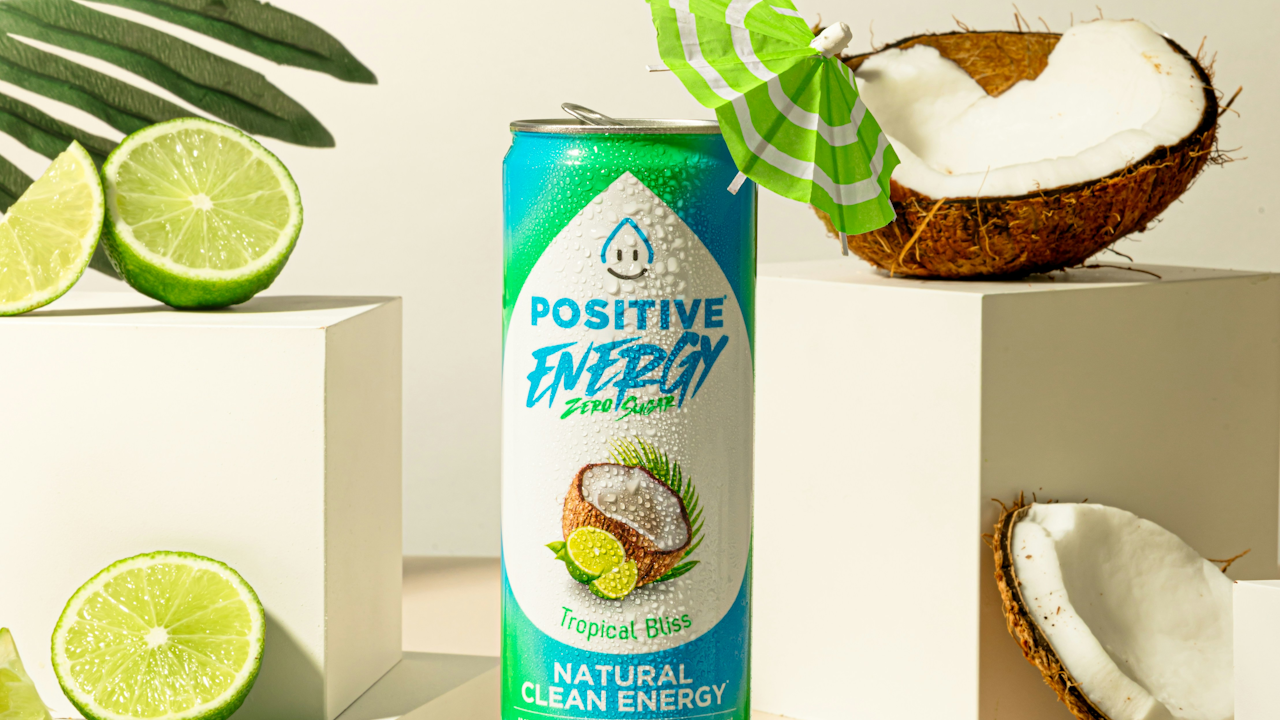
In our busy modern lives many people find themselves dragging through the day with low energy. Coffee and energy drinks offer a quick fix but they often lead to crashes later. The good news is that you can raise your energy naturally through simple lifestyle changes that support your body’s own systems. These approaches work with your biology rather than against it. They focus on sleep nutrition movement stress management and daily habits. When you combine several of these strategies the results build over time and create steady all-day vitality without side effects. This article explores proven natural methods in detail so you can start implementing them right away.
The Foundation of Energy Starts with Quality Sleep
Sleep is the single most powerful way to recharge your body and mind. During deep sleep your cells repair themselves hormones balance out and your brain clears waste products that accumulate while you are awake. Adults need seven to nine hours of uninterrupted sleep each night for optimal energy. When you consistently fall short your body produces more cortisol the stress hormone that leaves you feeling drained even after a full night in bed.
To improve sleep quality create a consistent schedule. Go to bed and wake up at the same time every day including weekends. This strengthens your circadian rhythm the internal clock that regulates alertness. Make your bedroom a sleep sanctuary by keeping it cool dark and quiet. Remove screens at least one hour before bed because the blue light they emit suppresses melatonin production. Instead wind down with reading or gentle stretching.
Avoid heavy meals caffeine and alcohol close to bedtime. Caffeine can linger in your system for up to eight hours while alcohol fragments your sleep cycles even if it helps you fall asleep faster. If you struggle to quiet your mind try a short gratitude practice before lights out. Write down three things that went well that day. This simple step lowers anxiety and signals your nervous system that it is safe to rest. Over a few weeks better sleep alone can transform your daytime energy from sluggish to vibrant.
Hydration Keeps Every Cell Working Efficiently
Dehydration is one of the most common yet overlooked causes of fatigue. Even mild fluid loss of one or two percent of body weight can impair concentration reduce physical performance and make you feel tired. Water makes up about sixty percent of your body and every metabolic process depends on it. When you are well hydrated oxygen and nutrients travel smoothly to your muscles and brain while waste products are flushed out efficiently.
Aim for at least eight to ten glasses of water daily but adjust upward if you exercise sweat heavily or live in a hot climate. Start your morning with a large glass of room-temperature water perhaps with a squeeze of lemon for flavor and gentle detoxification support. Carry a reusable bottle and sip throughout the day rather than gulping large amounts at once. Herbal teas count toward your total as long as they are caffeine-free.
Pay attention to early signs of dehydration such as dry mouth headaches or dark urine. If you notice these signals drink steadily until your energy rebounds. Some people confuse thirst with hunger so next time you feel an afternoon slump try water first. You may discover that what you thought was low blood sugar was simply mild dehydration. Consistent hydration supports steady energy all day long and pairs beautifully with every other strategy in this article.
Nutrition Fuels Sustained Energy Without Crashes
What you eat directly influences how you feel hour by hour. Refined sugars and processed foods cause rapid spikes and drops in blood sugar leaving you exhausted after the initial rush. In contrast whole foods rich in complex carbohydrates proteins healthy fats and fiber deliver slow steady fuel. Focus on meals that combine these elements for balanced blood-sugar control.
Start your day with a breakfast that includes protein and fiber such as oatmeal topped with nuts seeds and berries. The fiber slows digestion while the protein keeps you satisfied longer. Mid-morning choose a handful of almonds paired with an apple or Greek yogurt with chia seeds. These snacks prevent the energy dip that often hits around ten o’clock.
For lunch and dinner load half your plate with colorful vegetables. Leafy greens broccoli and bell peppers supply B vitamins and magnesium both critical for converting food into usable energy. Add lean proteins like salmon chicken or lentils and healthy fats from avocado olive oil or walnuts. These fats help absorb fat-soluble vitamins and keep you full.
Certain foods stand out as natural energy boosters. Bananas provide quick potassium and natural sugars along with vitamin B6. Sweet potatoes offer complex carbs and beta-carotene. Dark chocolate in small amounts supplies magnesium and a mild caffeine lift without the jitters. Fermented foods such as yogurt kefir or sauerkraut support gut health which in turn improves nutrient absorption and reduces inflammation that can sap energy.
Experiment with meal timing. Some people thrive on three balanced meals while others feel steadier with smaller portions every three to four hours. Listen to your body and adjust. Avoid skipping meals because that forces your body into conservation mode and lowers metabolism. With mindful eating choices you can maintain even energy from morning until evening.
Regular Movement Increases Energy Production
It may seem counterintuitive but moving your body creates more energy than it consumes. Exercise stimulates mitochondria the powerhouses inside your cells to multiply and work more efficiently. It also boosts circulation delivering oxygen and nutrients faster while releasing endorphins and other feel-good chemicals.
You do not need intense workouts to see results. A daily thirty-minute brisk walk outdoors raises energy levels noticeably within days. The combination of fresh air rhythmic movement and mild sunlight exposure works synergistically. If you prefer structured exercise try yoga or Pilates which build strength flexibility and breath awareness all at once.
Start where you are. If you feel sedentary begin with five-minute movement breaks every hour. Stand up stretch do a few body-weight squats or take a lap around your home or office. These micro-bouts add up and prevent the stiffness and mental fog that come from prolonged sitting.
Consistency matters more than intensity. Choose activities you enjoy so you will stick with them. Dancing gardening cycling or swimming all count. Over time regular movement improves sleep quality regulates appetite and balances hormones making every other energy strategy more effective. The key is to view movement as a gift to your future self rather than a chore.
Stress Management Prevents Energy Drain
Chronic stress is an energy thief. When your body stays in fight-or-flight mode cortisol and adrenaline remain elevated. This taxes your adrenal glands depletes nutrients and disrupts sleep digestion and mood. Learning to manage stress keeps your energy reserves intact.
Mindfulness meditation is one of the most researched tools. Even ten minutes a day can lower cortisol and improve focus. Sit comfortably close your eyes and focus on your breath. When thoughts arise gently return attention to the sensation of air moving in and out. Apps with guided sessions can help beginners but the practice itself is simple.
Deep breathing exercises offer instant relief. Try the 4-7-8 technique: inhale for four counts hold for seven and exhale for eight. This activates the parasympathetic nervous system the rest-and-digest mode that restores energy. Practice it during transitions between tasks or when you feel tension rising.
Journaling or talking with a trusted friend also releases mental load. Writing down worries externalizes them so your brain stops rehearsing them endlessly. Progressive muscle relaxation where you tense and release each muscle group from toes to head is another quick way to discharge stored tension.
Make time for hobbies that bring joy whether that is reading music gardening or spending time in nature. Laughter yoga classes or simply watching a funny video can shift your physiology in minutes. By lowering stress you free up the energy that was previously spent on worry and vigilance.
Sunlight and Fresh Air Reset Your Internal Clock
Natural light exposure is a powerful regulator of energy. Morning sunlight signals your brain to suppress melatonin and increase serotonin and cortisol in healthy amounts that promote alertness. Just fifteen to thirty minutes outdoors soon after waking can improve mood energy and sleep quality that night.
If you cannot get outside open curtains wide or sit near a window. On cloudy days the light is still beneficial though less intense. Consider a light therapy box that mimics natural daylight if you live in a region with short winter days.
Combine sunlight with movement by taking a morning walk. The dual benefit of light and exercise amplifies results. Fresh air also increases oxygen intake which supports cellular energy production. Even five minutes on a balcony or in a park can refresh you when afternoon fatigue sets in.
Vitamin D synthesized through skin exposure to sunlight plays a role in mitochondrial function. Many people are deficient especially in northern latitudes or during winter. While supplements can help natural sunlight remains the ideal source when possible. Protect your skin with appropriate clothing or sunscreen after the initial exposure window to avoid damage.
Limiting Stimulants Creates True Steady Energy
Caffeine and sugar provide temporary lifts but they borrow from tomorrow’s energy stores. Caffeine blocks adenosine the chemical that builds sleep pressure so you feel alert artificially. When it wears off adenosine floods in causing a crash. Sugar triggers a rapid insulin response followed by a blood-glucose drop that leaves you shaky and tired.
Reduce caffeine gradually to avoid withdrawal headaches. Switch to green tea which contains L-theanine a calming amino acid that smooths out caffeine’s effects. Or try herbal alternatives like rooibos or peppermint tea. After two weeks most people notice more stable energy without the afternoon slump.
For sugar cravings reach for whole fruits paired with protein or fat. The fiber slows absorption preventing spikes. Dark chocolate in moderation can satisfy a sweet tooth while supplying magnesium. Over time your taste buds adjust and natural sweetness from berries or a baked apple feels satisfying.
Monitor hidden sources of stimulants such as energy drinks sodas and even some medications. Replacing them with water herbal tea or vegetable juice supports long-term vitality. The goal is not total elimination but mindful moderation that lets your body produce its own energy instead of relying on external jolts.
Short Rest Periods Recharge Without Disrupting Night Sleep
A well-timed power nap can restore alertness without the grogginess of longer sleep. Limit naps to ten or twenty minutes and take them before three o’clock in the afternoon. This timing prevents interference with nighttime sleep.
Find a quiet spot set an alarm and allow yourself to drift off. Even if you do not fully fall asleep the rest period lowers stress hormones and clears mental fog. Some people benefit from a “coffee nap” where they drink a small cup of coffee then nap immediately. The caffeine kicks in just as they wake creating a double boost.
If napping is not possible try a restorative yoga pose such as legs-up-the-wall for ten minutes. This gentle inversion improves circulation and calms the nervous system. These brief pauses act like reset buttons for your energy battery throughout the day.
Building Social Connections and Purpose
Isolation drains energy while meaningful relationships replenish it. Positive social interactions release oxytocin which counters stress hormones and improves mood. Schedule regular catch-ups with friends or family even if they are short phone calls or walks together.
Volunteering or pursuing a purpose-driven activity also boosts energy. When you contribute to something larger than yourself your brain releases dopamine and serotonin creating natural motivation. This sense of meaning reduces the mental fatigue that comes from aimless routines.
Incorporate small daily connections such as smiling at neighbors or sending appreciative texts. These micro-interactions accumulate and create a supportive environment that sustains energy.
Putting It All Together for Lasting Results
The most effective approach combines several strategies rather than relying on one. For example a morning routine that includes hydration sunlight movement and a balanced breakfast sets a positive tone. Throughout the day add short movement breaks mindful breathing and nutrient-dense snacks. Wind down with a relaxing evening ritual that protects sleep quality.
Track your energy in a simple journal for two weeks noting sleep food movement and mood. Patterns will emerge showing which changes make the biggest difference for your unique body. Adjust gradually to avoid overwhelm. Small consistent shifts create compound benefits over time.
Natural energy is not about pushing harder but about removing drains and supporting your body’s innate vitality. By prioritizing sleep hydration nutrition movement stress reduction sunlight and mindful habits you can enjoy steady vibrant energy that lasts all day. Start with one or two changes this week and build from there. Your future self will thank you for the investment in sustainable well-being.