

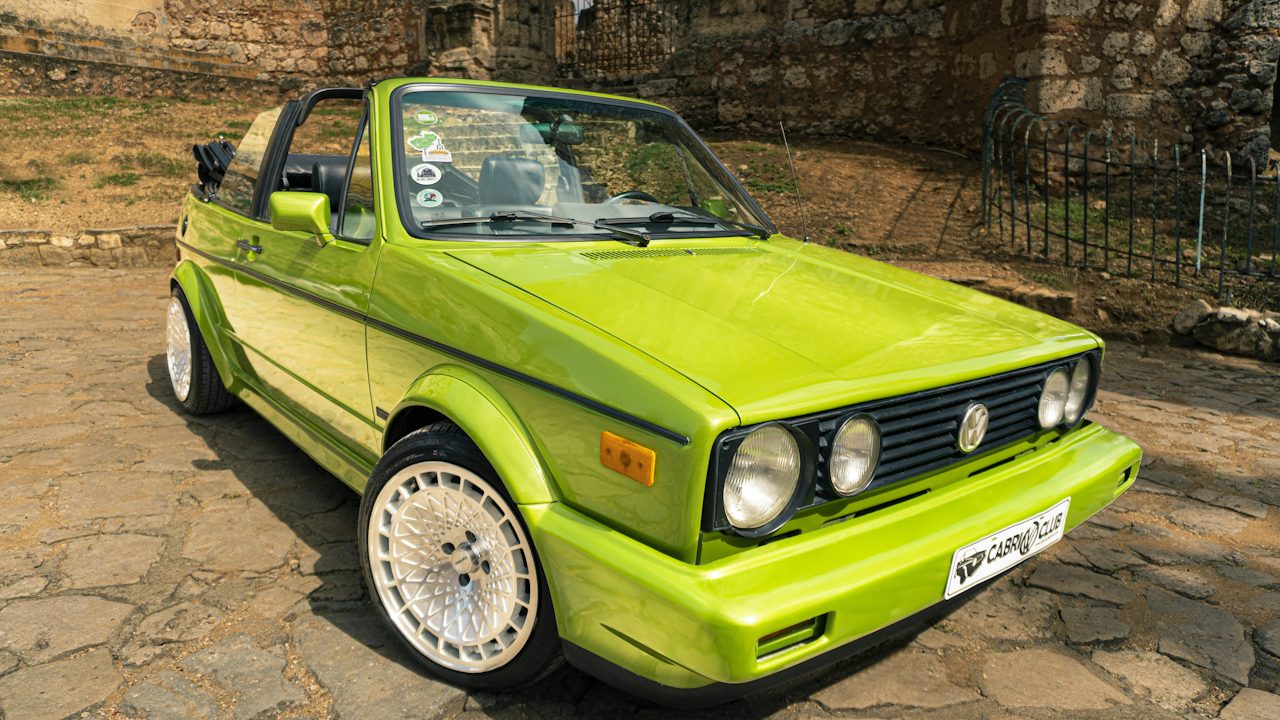
The world of classic cars has long evoked images of chrome bumpers, rumbling engines, and the unmistakable aroma of gasoline and hot oil. Yet in an era defined by rapid electrification, a quiet revolution is underway. Owners and specialists are transforming vintage automobiles into electric vehicles, or EVs, preserving their timeless aesthetics while infusing them with modern performance and sustainability. This movement, known as vintage electric conversions, blends nostalgia with innovation, allowing enthusiasts to keep their beloved machines on the road amid tightening emissions regulations and rising fuel costs. What began as niche experiments has evolved into a thriving industry, with conversion shops reporting increased demand and market projections showing robust growth through the next decade.
The appeal lies in the duality. Classic cars represent heritage and craftsmanship, but many face obsolescence due to scarce parts, high maintenance demands, and environmental scrutiny. Electric conversions offer a solution: swap the internal combustion engine for a silent, torque-rich electric motor and battery pack, and suddenly the vehicle gains instant acceleration, zero tailpipe emissions, and dramatically lower operating expenses. Far from turning these icons into soulless appliances, skilled converters emphasize retaining original styling, interiors, and driving character. The result is a vehicle that feels familiar yet delivers a fresh experience.
The roots of electric conversions trace back decades. Early adopters in the 1990s and 2000s experimented with lead-acid batteries and basic DC motors, often in Volkswagen Beetles or small British sports cars, driven by environmental ideals or simple curiosity. These builds were rudimentary by today’s standards, limited by short range and heavy weight. The turning point came in the 2010s with advancements in lithium-ion batteries, inspired by mass-market EVs like the Tesla Model S and Nissan Leaf. By the mid-2020s, battery energy density had improved enough to make conversions practical for everyday use. Companies began offering bolt-in kits, and events such as the Goodwood Revival in 2025 showcased polished examples that turned heads. Today, the sector benefits from supply chains once reserved for new EVs, including repurposed motors from donor vehicles and modular battery systems.
Why pursue a conversion? The benefits extend beyond the obvious environmental gains. Electric drivetrains produce no tailpipe emissions, helping owners sidestep urban low-emission zones and potential future bans on gasoline vehicles. Performance often improves dramatically. An electric motor delivers maximum torque from zero rpm, eliminating the lag of traditional gearboxes and providing exhilarating acceleration. Regenerative braking extends range while reducing wear on pads and rotors. Maintenance drops sharply too. Without oil changes, spark plugs, timing belts, or exhaust systems, annual costs can fall by hundreds or even thousands of dollars. Charging at home is far cheaper than filling a tank, especially with off-peak electricity rates.
Economic incentives play a role as well. For collectors who drive their classics sparingly, conversions can future-proof investments. Parts for older engines grow expensive or unavailable, but electric components benefit from ongoing technological progress. Some conversions even qualify for tax credits or rebates in regions promoting clean transport. Environmentally, repurposing an existing chassis avoids the resource intensity of building a new vehicle from scratch. Studies suggest that for low-mileage classics, the upfront battery manufacturing footprint pays off over time through reduced operational emissions.
Yet challenges remain. Upfront costs represent the biggest hurdle. A professional conversion typically runs from twenty thousand dollars for a basic kit install to well over one hundred thousand for a bespoke build with high-capacity batteries and custom engineering. Battery placement demands careful engineering to maintain weight distribution and handling; too much mass up front or in the trunk can alter the car’s beloved balance. Range anxiety persists for longer trips, though modern packs deliver one hundred to two hundred miles, sufficient for most classic outings. Purists lament the loss of engine noise and mechanical feedback, arguing that the soul of the machine fades with the switch to silent power. High-voltage systems introduce new safety considerations, requiring certified technicians and proper insulation. Finally, for vehicles driven only a few thousand miles annually, the carbon payback period for new batteries can stretch years, prompting debate over whether conversions truly serve sustainability goals.
The conversion process itself follows a logical sequence. First, the donor car undergoes a thorough inspection. The internal combustion engine, fuel tank, exhaust, and related components are removed to create space. A compatible electric motor is selected, often an AC unit paired with an inverter for smooth power delivery. Batteries, typically lithium-ion modules arranged in packs, occupy the former engine bay, trunk, or custom floor pans. A controller manages power flow, throttle response, and regenerative braking. Chargers integrate for Level 2 or DC fast charging. Many converters retain the original transmission or install a simple reduction gear for efficiency and feel. Wiring harnesses, cooling systems, and safety features like contactors and fuses complete the build. Professional shops test extensively for balance, range, and thermal management before handover.
Kits have democratized the process. Companies now sell complete packages tailored to popular platforms. For Volkswagen Beetles, options include the Hyper9 motor system with adapters and battery packs, enabling do-it-yourself enthusiasts to complete the swap over weekends. Similar kits exist for Porsche 914s and early 911s, complete with mounting hardware and software tuning. These modular approaches reduce labor costs and ensure reliability. Advanced options incorporate smartphone apps for monitoring battery health and performance data.
Certain classics lend themselves especially well to electrification. The Volkswagen Beetle tops many lists. Its rear-engine layout simplifies motor placement, and the air-cooled chassis offers ample room for batteries without major structural changes. Shops like Zelectric Motors specialize in Beetles, Karmann Ghias, and Type 2 buses, delivering vehicles with modern range and torque while preserving the bug’s quirky charm. Porsche models, particularly air-cooled 911s and 356s, attract high-end converters. Everrati in the United Kingdom transforms 964-generation 911s into 500-horsepower electric variants with roughly two hundred miles of range, using donor cars from 1989 to 1993. The result retains the iconic shape but gains supercar acceleration.
British icons also shine. Fellten offers bolt-in kits for the classic Mini, featuring a 100-horsepower motor and 19-kilowatt-hour battery for about 110 miles of range. The kit includes a reinforced subframe and maintains original weight distribution. Land Rovers and Minis benefit from similar approaches, gaining torque for off-road duties without sacrificing ruggedness. American muscle receives attention too. E-Muscle Cars in Texas converted a 1965 Shelby Mustang GT350 by replacing its V-8 with a 300-horsepower electric motor and over one thousand pound-feet of torque at the wheels. The transformation preserves the Mustang’s aggressive stance while delivering neck-snapping launches.
Notable builds highlight the creativity at play. Comedian Jimmy Carr commissioned Electrogenic in the UK to electrify his Jaguar, swapping a 4.0-liter straight-six for a 152-horsepower electric setup with a 60-kilowatt-hour battery split between the engine bay and former fuel tank space. The interior stayed stock, complete with a repurposed gearstick for forward, neutral, and reverse selection, and the car achieves 150 miles of range with 100-kilowatt DC fast charging. In the United States, a 1968 Volkswagen Beetle owned by surfer Michael Jacques was converted on a shoestring budget using salvaged parts and solar charging, proving that passion can trump price.
The industry features a growing roster of specialists. EV West in California supplies kits and full builds for VWs and Porsches. Zelectric focuses on German classics from the 1950s through 1970s. Electric Classic Cars leads the UK market with strong market share. Other players include Lunaz Design, Electric GT, Charge Cars, and newer entrants like Moment Motors, which emphasizes nostalgia paired with modern drivetrains. Fuel2Electric positions itself as a network addressing parts shortages for aging fleets, targeting not just enthusiasts but commercial vans and shuttles where conversions deliver three- to four-year returns on investment through fuel and maintenance savings.
Market trends reflect optimism. The electric classic car segment is projected to grow at an 11.81 percent compound annual rate, reaching over six hundred million dollars by 2034. Demand stems from both private collectors and businesses seeking to electrify heritage vehicles. Events like the 2025 Goodwood Revival featured standout conversions from Electric Classic Cars and others, drawing crowds eager to experience silent classics. Regulatory pressures and consumer interest in sustainable luxury accelerate adoption. Some converters even offer hybrid approaches, retaining select mechanical elements for authenticity while electrifying the powertrain.
Critics raise valid points. Not every classic suits conversion. Heavy battery weight can stress older suspensions or frames unless reinforced. Authenticity debates rage in collector circles, where originality commands premiums. For daily drivers or high-mileage vehicles, the math favors conversions more clearly than for garage queens. Yet proponents counter that the alternative may be storage or scrappage as internal combustion expertise fades and parts vanish. Electric power keeps memories alive by enabling regular use rather than static display.
Looking ahead, the future appears bright. Battery technology continues to advance, promising lighter packs with greater density and faster charging. Solid-state cells on the horizon could further shrink weight penalties. Integration with smart grids may allow classics to serve as mobile energy storage. As autonomous and connected features trickle into conversion kits, owners might gain navigation, over-the-air updates, and enhanced safety without compromising vintage appeal. Commercial fleets represent untapped potential, where cost-effective conversions extend vehicle life and cut emissions simultaneously.
In the end, vintage electric conversions represent more than a technical exercise. They embody a pragmatic response to change, honoring the past while embracing progress. A 1960s Porsche or Beetle once powered by fossil fuels now glides silently into the future, its silhouette unchanged yet its impact transformed. For those who cherish classics not as relics but as living machines, the electric path offers renewed joy behind the wheel. The rumble may be gone, but the thrill endures, now powered by electrons rather than explosions. As the industry matures and costs decline, more drivers will discover that the best way to preserve history is sometimes to rewrite its drivetrain.