

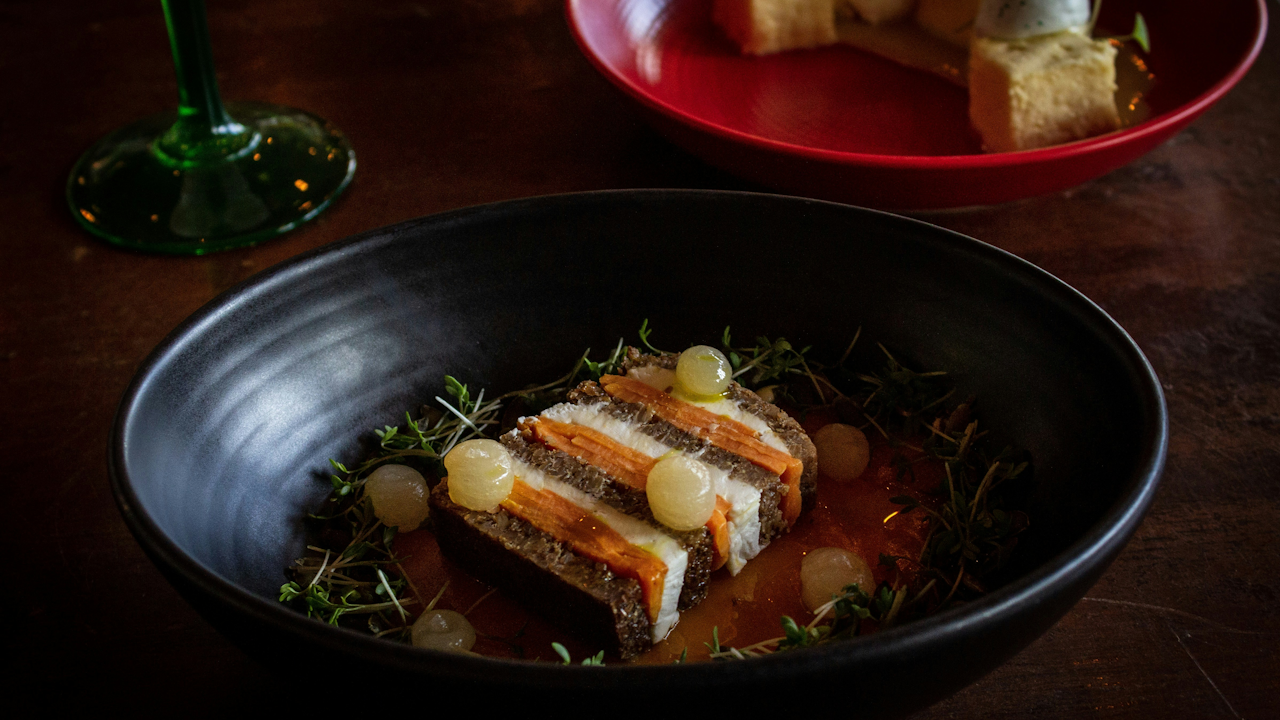
Molecular gastronomy represents the scientific exploration of cooking processes at their most fundamental level. It examines the physical and chemical changes that food undergoes during preparation, from the moment ingredients meet heat or cold to the final presentation on a plate. Unlike traditional cooking, which relies on intuition and family recipes passed down through generations, this field treats the kitchen as a laboratory. Home cooks can now replicate techniques once reserved for Michelin-starred restaurants by using readily available tools and a bit of curiosity. This approach transforms everyday meals into edible experiments that challenge expectations about texture, flavor, and form. What began as an academic pursuit has evolved into an accessible hobby that empowers anyone with a stove and a measuring spoon to innovate.
The origins of molecular gastronomy trace back to the 1980s when physicist Nicholas Kurti and chemist Hervé This coined the term during a conference in Italy. Kurti, known for his work on low-temperature physics, and This, a French physical chemist, sought to demystify why certain cooking methods succeed or fail. They asked questions such as why a soufflé rises or why meat becomes tender under specific conditions. Their collaboration highlighted that cooking is not mere art but applied science involving thermodynamics, hydrocolloids, and molecular interactions. By the 1990s, chefs like Ferran Adrià at the groundbreaking Spanish restaurant elBulli began applying these insights practically. Adrià introduced techniques that deconstructed classic dishes and rebuilt them with unexpected forms, such as foams and spheres. British chef Heston Blumenthal later popularized the movement through television shows and his restaurant The Fat Duck, where dishes like snail porridge demonstrated that science could enhance rather than replace tradition. Today, molecular gastronomy has moved beyond elite kitchens. Online communities, affordable ingredient kits, and simplified guides have made it possible for DIY enthusiasts to conduct their own experiments without professional training or expensive equipment.
At its core, molecular gastronomy relies on understanding key scientific principles that govern food behavior. Proteins denature when heated, unfolding their structure to create new textures in eggs or meat. The Maillard reaction, a chemical process between amino acids and sugars at temperatures above 140 degrees Celsius, produces the golden crust on seared steak or the aroma of baked bread. Emulsions occur when oil and water are forced to mix with the help of stabilizers like lecithin, forming the creamy base of mayonnaise or hollandaise sauce. Hydrocolloids, substances such as agar-agar or xanthan gum, thicken or gel liquids by trapping water molecules in a network. pH levels influence everything from the setting of gels to the stability of foams. Even flavor perception involves chemistry; volatile compounds released during cooking interact with taste buds and olfactory receptors in ways that science can predict and manipulate. These principles allow home cooks to control outcomes precisely rather than hoping for the best. For instance, knowing that temperature affects starch gelatinization explains why precise control in sous-vide cooking yields perfectly tender results every time.
Starting a DIY molecular gastronomy project requires minimal investment beyond standard kitchen items, but a few specialty supplies unlock advanced possibilities. Most home experiments begin with a digital kitchen scale accurate to 0.1 grams, an instant-read thermometer, and an immersion blender for creating smooth mixtures. A whipped-cream siphon, available for under 50 dollars, introduces air into liquids to produce foams. For more ambitious projects, purchase food-grade hydrocolloids online from suppliers specializing in culinary science. Sodium alginate and calcium chloride enable spherification, while agar-agar creates heat-stable gels. Lecithin powder stabilizes emulsions, and maltodextrin turns oils into powders. These ingredients are inexpensive in small quantities and safe when used as directed. Safety remains paramount: always wear gloves when handling concentrated powders, work in a well-ventilated area, and keep children away from chemicals. Read labels carefully, as food-grade versions differ from industrial ones. Many techniques adapt existing pantry staples. Gelatin from the baking aisle substitutes for some gels, and a vacuum-sealed bag with a pot of water approximates sous-vide without specialized gear.
One of the most popular entry-level techniques is spherification, which creates edible spheres that burst with liquid when eaten. The process exploits the reaction between sodium alginate and calcium ions. When a liquid mixed with alginate drops into a calcium bath, a thin gel membrane forms instantly around it, trapping the contents inside like a delicate skin. To make balsamic vinegar caviar at home, dissolve 2 grams of sodium alginate in 200 milliliters of balsamic vinegar using an immersion blender until smooth. Let the mixture rest for 30 minutes to remove air bubbles. Separately, prepare a bath with 5 grams of calcium chloride dissolved in 500 milliliters of water. Use a syringe or squeeze bottle to drip the vinegar mixture into the bath in small droplets. Allow the spheres to set for about two minutes, then gently rinse them in clean water to stop the reaction. The result resembles fish roe but delivers an intense burst of vinegar flavor. Reverse spherification works for liquids high in calcium, such as fruit juices. Mix the juice with calcium lactate, then drop it into an alginate bath. This method produces larger spheres suitable for cocktails or desserts. The science here lies in ion exchange: calcium cross-links alginate chains into a polymer network, creating a semi-permeable barrier. Home cooks can experiment with flavors like olive oil, mango puree, or even coffee to create surprising pairings that defy conventional plating.
Gelification offers another straightforward way to manipulate textures. Agar-agar, derived from seaweed, sets at higher temperatures than animal gelatin and remains stable even when heated. To create a firm yet flexible gel, bloom 2 grams of agar-agar in 200 milliliters of liquid such as fruit juice or stock, then bring it to a boil while stirring constantly. Pour into molds and chill. The resulting gel holds its shape at room temperature, making it ideal for hot applications like savory cubes in soups. Xanthan gum, a bacterial fermentation product, thickens liquids at very low concentrations. A pinch in a sauce prevents separation and adds a silky mouthfeel without altering flavor. These hydrocolloids demonstrate how molecular gastronomy turns liquids into solids or vice versa, expanding the possibilities for presentation. A simple experiment involves making hot ice cream: prepare a custard base, incorporate 1 percent agar-agar, and serve it warm. The gel network traps fat and water molecules, preventing melting even as steam rises from the scoop.
Foams and airs introduce lightness and intensity to dishes. A basic air uses a siphon charged with nitrous oxide. Blend 200 milliliters of fruit puree with 0.5 grams of lecithin, strain to remove solids, then fill the siphon and charge it twice. Dispense the foam onto plates for an ethereal garnish that melts on the tongue. The lecithin molecules position themselves at the interface between air bubbles and liquid, stabilizing the structure long enough to serve. For a more dramatic effect, create a Parmesan foam to top risotto or pasta. Dissolve grated cheese in hot milk, add lecithin, and aerate. The result amplifies umami without adding heaviness. These techniques rely on surface tension and surfactant properties, principles also at work in everyday whipped cream but refined for precision.
Sous-vide cooking, though not exclusive to molecular gastronomy, aligns perfectly with its emphasis on control. Sealing food in a plastic bag and submerging it in a precisely heated water bath cooks it evenly to the desired internal temperature without overcooking the exterior. A DIY version uses a large pot, a thermometer, and a clip to hold the bag submerged. Maintain water at 55 degrees Celsius for medium-rare steak, for example, and cook for one to two hours. The science involves enzyme activity and protein coagulation occurring at specific temperatures, yielding tender results impossible with traditional methods. Vacuum sealing removes air, preventing oxidation and allowing flavors to infuse deeply. Home cooks can finish the meat with a quick sear for Maillard browning afterward.
More adventurous experiments include powdering liquids with maltodextrin or flash-freezing with dry ice for dramatic effects. Maltodextrin absorbs fats and turns them into a dry powder that melts instantly on contact with moisture. Mix equal parts maltodextrin and olive oil in a food processor until it resembles fine sand, then sprinkle over salads for an unexpected crunch that releases pure oil flavor. Dry ice, handled with tongs and gloves, creates instant frozen desserts or theatrical fog when added to warm liquids. These techniques highlight how molecular gastronomy encourages playfulness. A deconstructed classic like eggs Benedict becomes a sphere of hollandaise, a gel of bacon, and a foam of English muffin.
Despite the excitement, beginners should approach experiments methodically. Start with small batches to minimize waste. Record measurements and observations in a notebook, treating each attempt as data collection. Common pitfalls include overmixing, which incorporates excess air and weakens gels, or incorrect ratios that prevent proper setting. Temperature control proves critical; many reactions fail if liquids are too hot or cold. Always source food-grade ingredients to avoid contaminants. While most experiments pose low risk, concentrated acids or rapid temperature changes require adult supervision. The goal remains enjoyment and discovery, not perfection on the first try.
Famous restaurant dishes provide inspiration for home replication. The spherified olive from elBulli, a liquid olive encased in a delicate skin, can be approximated using olive brine and reverse spherification. Heston Blumenthal’s triple-cooked chips rely on precise temperature stages to achieve crisp exteriors and fluffy interiors through controlled starch retrogradation. Recreating these at home demystifies high-end cuisine and fosters appreciation for the science involved. Online forums and video tutorials share troubleshooting tips, turning isolated kitchens into virtual laboratories where enthusiasts exchange results.
The appeal of DIY molecular gastronomy extends beyond novelty. It educates participants about chemistry, physics, and biology in an engaging way. Children learn through hands-on activities, while adults rediscover the joy of experimentation lost since school science fairs. It encourages sustainable practices by reducing waste through precise portioning and repurposing scraps into gels or powders. Flavor pairing based on shared volatile compounds, a concept from molecular gastronomy, leads to unexpected combinations like chocolate with blue cheese or strawberries with basil that taste harmonious due to chemical similarities. This knowledge deepens everyday cooking even without specialized tools.
As technology advances, home molecular gastronomy continues to evolve. Affordable sous-vide immersion circulators and 3D food printers bring professional precision to kitchens. Yet the essence remains accessible: curiosity, measurement, and willingness to fail. Each successful sphere or foam reinforces that cooking is both craft and science, a dialogue between tradition and innovation.
In conclusion, molecular gastronomy empowers home cooks to become scientists in their own right. By understanding and manipulating the molecular behavior of food, anyone can create dishes that surprise, delight, and educate. The kitchen transforms from a place of routine into a site of endless possibility. Whether producing a single perfect gel or hosting a dinner party of experimental plates, DIY practitioners celebrate the intersection of science and sensory pleasure. The next great culinary breakthrough may begin not in a laboratory but on a countertop with a syringe, a scale, and an open mind. Experiment boldly, taste critically, and share the results. The science of cooking belongs to everyone willing to explore it.