

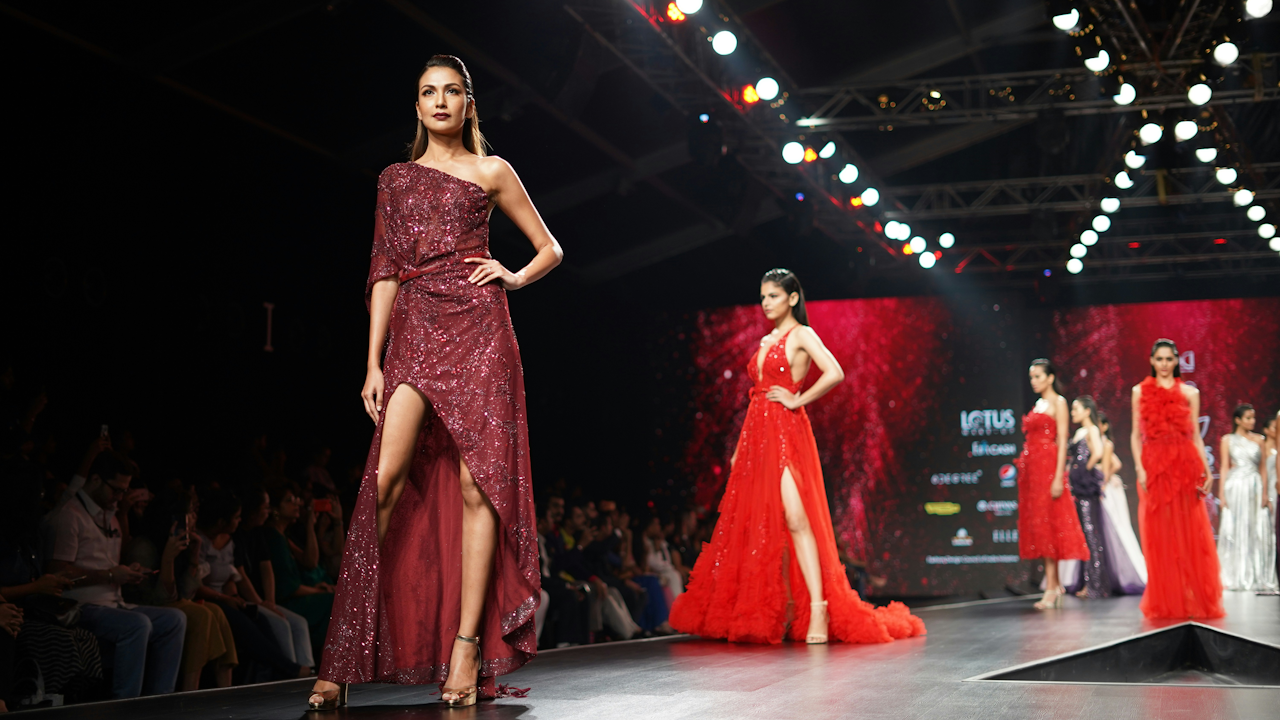
In an era where style evolves at lightning speed, the runway remains the ultimate stage for creativity and innovation. Designers unveil collections that push boundaries with bold silhouettes, intricate detailing, and unexpected fabrics, yet these pieces often feel reserved for red carpets and exclusive events. Enter fashion rentals: a practical revolution that brings those coveted runway looks straight into daily wardrobes. No longer do you need a celebrity budget or a walk-in closet the size of a small apartment to experiment with high fashion. Rentals let everyday people access designer garments for a fraction of the retail price, wear them once or a few times, and return them without guilt or clutter. This model transforms fleeting trends into accessible realities, proving that runway glamour can seamlessly integrate into routines like commuting to work, grabbing coffee with friends, or attending a casual dinner.
The concept of fashion rentals gained momentum in the early 2010s with platforms like Rent the Runway, which started by targeting special occasions but quickly expanded to everyday wear. What began as a solution for formal events has blossomed into a lifestyle choice embraced by millions. Today, the industry thrives on sustainability and convenience, appealing to those who value variety without the environmental toll of constant consumption. Renting a runway-inspired piece means you can channel the energy of a Paris or Milan show without committing to ownership. It democratizes fashion, allowing students, professionals, and parents alike to test-drive looks that once seemed unattainable. The appeal lies in the freedom: try a dramatic puff-sleeve blouse one week, a tailored trench with avant-garde proportions the next, all while keeping your budget and storage space intact.
At its core, the runway represents more than clothing; it captures cultural moments. Designers draw from art, technology, and social shifts to create pieces that define seasons. Think of the oversized blazers with exaggerated shoulders from recent collections or fluid midi dresses in metallic fabrics that shimmer under office lights. Rentals make these wearable by offering them in a range of sizes and conditions, often with styling suggestions included. The key benefit is experimentation. Instead of scrolling endlessly through fast-fashion sites for knockoffs that lack quality, you select authentic designer items vetted for durability. This approach fosters confidence, as wearers discover what flatters their body type in real-life settings rather than idealized photoshoots.
One of the most compelling aspects of fashion rentals is their role in everyday styling. Runway looks often feature elements that feel theatrical on the catwalk but translate beautifully to daily life with minor adjustments. For instance, a floor-length gown with a dramatic train might seem impractical for a Tuesday morning meeting, but many rental services provide shorter versions or separates from the same collection. Pair the bodice with wide-leg trousers and flat shoes for a polished office ensemble that echoes the original silhouette. Similarly, bold floral prints or geometric patterns from runway presentations can anchor a casual outfit when layered over a simple white tee and jeans. The trick is balance: let the statement piece shine while grounding it with wardrobe staples like sneakers, denim jackets, or minimal jewelry.
Consider the power suit reimagined through rentals. Recent runways have showcased suits with cinched waists, asymmetrical hems, or unexpected colors like electric blue or deep emerald. Rent one for a week and wear the jacket over a basic tank top for weekend errands, then swap in the full set for a client presentation. This versatility turns a high-concept design into a multipurpose hero piece. Another example is the statement coat. Runway versions often boast exaggerated collars, fur-trimmed edges, or quilted textures in vibrant hues. In everyday scenarios, drape it over leggings and a turtleneck for a quick grocery run or layer it atop a neutral dress for school pickup. These adaptations highlight how rentals encourage creative mixing rather than rigid replication of the catwalk presentation.
Platforms have evolved to cater specifically to this runway-to-reality shift. Rent the Runway remains a leader, boasting thousands of designer options with filters for occasion, color, and trend. Subscribers enjoy unlimited swaps, making it easy to refresh a wardrobe weekly. Nuuly, with its focus on trendy and affordable rentals, includes pieces inspired by emerging labels that debut on runways before hitting broader markets. For those seeking plus-size inclusivity, services like Gwynnie Bee specialize in curves-friendly runway adaptations, ensuring that body diversity does not limit access to high fashion. Emerging apps integrate virtual try-on technology, allowing users to visualize a Balenciaga-inspired oversized hoodie on their own frame before committing to a rental. These tools bridge the gap between digital inspiration and physical wear, reducing returns and enhancing satisfaction.
Sustainability forms the backbone of the rental movement. Traditional fashion production contributes heavily to waste, with millions of garments discarded annually. Rentals promote a circular economy: one dress can be worn by dozens of people over its lifespan, minimizing the need for new manufacturing. Many services partner with dry cleaners and repair experts to extend garment life, while others use eco-friendly packaging for shipments. By choosing rentals, consumers actively support ethical practices. A runway look crafted from organic silk or recycled polyester feels even more luxurious when it aligns with planetary values. This mindset shift encourages mindful consumption, where quality trumps quantity and trends serve as temporary joys rather than permanent purchases.
Practical tips can elevate the experience of incorporating rented runway pieces into daily routines. Start by assessing your lifestyle needs. If your days involve lots of movement, prioritize rentals with stretch fabrics or flexible silhouettes, such as those featuring knitwear from recent collections. Always review sizing charts meticulously; most platforms provide detailed measurements and customer photos for reference. Upon arrival, steam or air out the item to refresh it, then experiment with layering. A sheer blouse from a spring runway, for example, gains everyday appeal when worn over a bralette and paired with tailored shorts. Accessories play a crucial role too: swap runway heels for comfortable loafers to make a structured dress suitable for walking tours or campus strolls.
Another strategy involves building a rental capsule wardrobe. Select three to five complementary pieces from the same seasonal collection, such as a neutral coat, patterned scarf, and matching skirt. This creates multiple outfits from limited rentals, maximizing value. For warmer months, focus on lightweight runway dresses in breathable linens or cottons that transition from beach days to evening gatherings with simple additions like a denim jacket. In cooler seasons, lean into outerwear rentals featuring innovative details like detachable hoods or modular pockets. Document your looks with photos to track what works, building a personal style archive that informs future choices.
Challenges exist, of course, but they are manageable with preparation. Fit concerns top the list, as runway samples are often designed for specific proportions. Reputable services address this through generous return windows and detailed fit guides. Wear and tear policies are transparent, typically covering minor issues while charging for significant damage. To avoid surprises, inspect items upon receipt and note any pre-existing flaws in the app. Timing matters too: popular runway recreations book quickly during peak seasons, so plan rentals ahead for events or wardrobe refreshes. Cleaning requirements vary, but most items arrive ready to wear and return in the provided bag.
Looking ahead, the future of fashion rentals promises even greater integration with everyday life. Artificial intelligence will refine recommendations, analyzing user preferences to suggest runway pieces that match personal aesthetics and schedules. Virtual reality fittings could simulate how a garment moves during a commute or workout. Collaborations between designers and rental companies may yield exclusive capsule collections tailored for real-world versatility, such as wrinkle-resistant fabrics for travel or modular designs for multitasking parents. As awareness grows, more brands will design with rentals in mind, creating pieces that endure multiple wears without losing appeal.
Ultimately, fashion rentals empower a new relationship with style. They strip away the intimidation of runway exclusivity and replace it with empowerment and joy. Runway looks, once glimpses of an aspirational world, become tools for self-expression in the most ordinary moments. Whether elevating a Monday morning with a borrowed designer blazer or infusing weekend brunches with a touch of couture flair, the rental model celebrates fashion as a shared, sustainable pleasure. It reminds us that true style is not about ownership but about the confidence to wear what inspires. As more people discover this world, everyday life gains a little more glamour, one rented runway piece at a time. The catwalk extends beyond the spotlight and into our streets, offices, and homes, proving that high fashion belongs to everyone willing to try it on for size.