

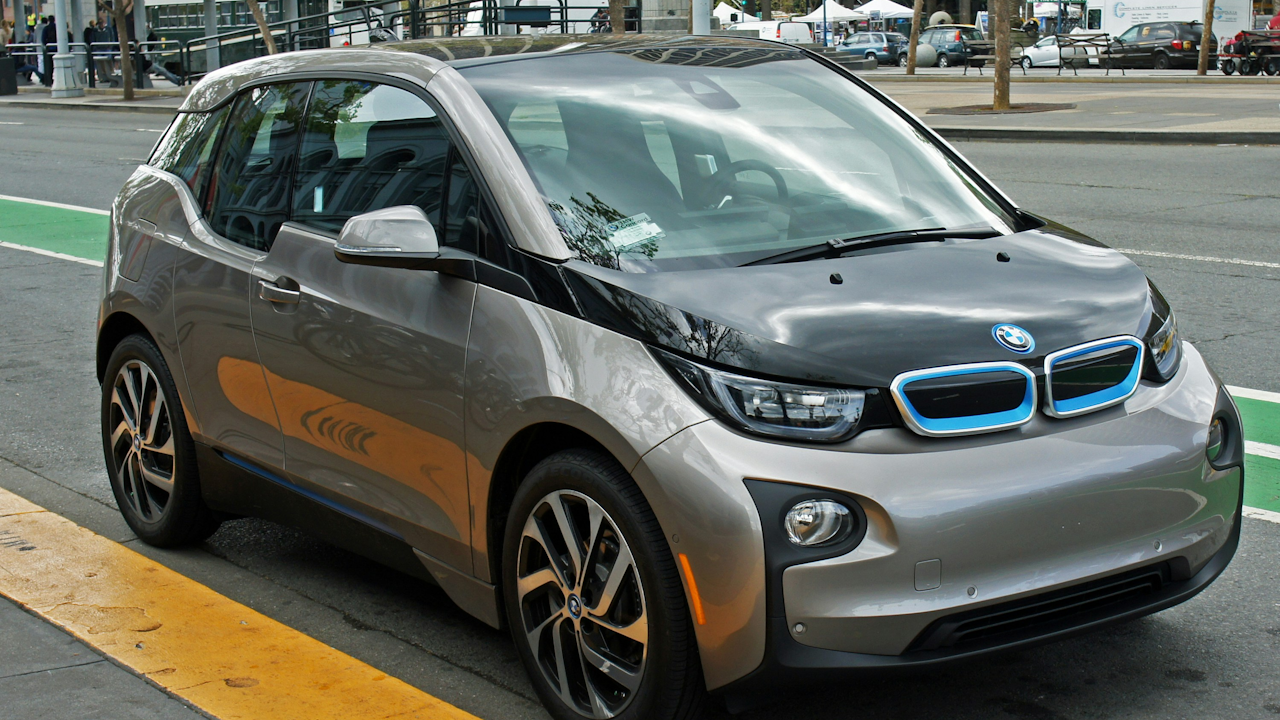
Urban microcars represent a practical and increasingly viable solution to the persistent problem of traffic congestion in major cities worldwide. As populations grow and more people move into metropolitan areas, traditional full-size automobiles exacerbate gridlock, consume excessive parking space, and contribute heavily to air pollution. Microcars, defined generally as compact vehicles under 3.5 meters in length with seating for one or two passengers and minimal cargo capacity, offer an alternative that prioritizes efficiency over size and power. This article explores the origins, design principles, real-world applications, benefits, challenges, and future potential of urban microcars in addressing city congestion.
The Rise of Urban Mobility Challenges
Cities face unprecedented pressure on their transportation networks. According to various urban planning reports, traffic congestion costs economies billions annually through lost productivity, wasted fuel, and increased stress on commuters. In places like New York, London, Tokyo, and Mumbai, average commute times have lengthened dramatically over the past two decades. Personal vehicles occupy valuable road and parking real estate even when not in use. A standard sedan or SUV typically requires 15 to 20 square meters of parking space, and most private cars sit idle for more than 95 percent of the day.
Public transportation systems help but often fall short in providing the flexibility and convenience that many residents demand. Buses and trains operate on fixed schedules and routes, leaving gaps in last-mile connectivity. Ride-sharing services have grown popular yet add more vehicles to already crowded streets during peak hours. This combination creates a need for smaller, more agile personal mobility options that can integrate seamlessly into dense urban environments without demanding the same infrastructure footprint as conventional cars.
Defining Urban Microcars
Urban microcars are lightweight, highly maneuverable vehicles specifically engineered for short-distance city travel. They typically measure between 2 and 3 meters in length, weigh under 1,000 kilograms, and feature electric powertrains in most modern examples. Many models seat only the driver or a driver plus one passenger, emphasizing individual or small-group mobility rather than family hauling. Their compact dimensions allow them to navigate narrow streets, fit into standard parking spots more efficiently, and sometimes even share spaces designed for motorcycles or bicycles.
Early examples trace back to post-World War II Europe, where economic constraints and material shortages led to the creation of bubble cars like the Messerschmitt KR200 and Isetta. These quirky vehicles prioritized basic transportation over comfort. The modern era began in the 1990s and 2000s with models such as the Smart Fortwo, which introduced safer structures and better performance while maintaining a tiny footprint. Today, the category includes fully electric offerings like the Renault Twizy, Citroen Ami, and various Chinese-made models from brands such as Wuling and BYD that emphasize affordability and urban practicality.
Key Design Features and Technological Advances
Modern microcars incorporate several innovations that make them suitable for congested cities. Electric motors provide instant torque, quiet operation, and zero tailpipe emissions, addressing both congestion and environmental concerns simultaneously. Battery packs, often positioned low in the chassis for better handling, deliver ranges of 100 to 250 kilometers on a single charge, sufficient for most daily urban commutes.
Safety remains a critical focus despite the smaller size. Many microcars use reinforced passenger cells, advanced crumple zones, and multiple airbags. Some models achieve respectable crash test ratings from organizations like Euro NCAP. Lightweight materials such as aluminum, high-strength steel, and composites reduce overall mass, improving energy efficiency and braking performance.
Autonomous driving technology is beginning to appear in microcar concepts. Features like automatic parking, adaptive cruise control for stop-and-go traffic, and lane-keeping assistance enhance usability in dense environments. Shared microcar fleets, managed through smartphone apps, could optimize vehicle utilization rates far beyond the 5 percent typical for private ownership. This model resembles bicycle-sharing programs but with greater protection from weather and higher speeds.
Charging infrastructure compatibility is another advantage. Most microcars support standard household outlets or Level 2 chargers, reducing the need for expensive dedicated fast-charging stations. Their smaller batteries charge faster than those in full-size electric vehicles, making overnight home or workplace charging practical.
How Microcars Alleviate Congestion
The primary mechanism by which microcars reduce congestion is through efficient space utilization. A typical city parking bay that accommodates one large SUV could theoretically hold three or four microcars. In motion, their shorter length and tighter turning radii allow smoother traffic flow, especially in intersections and roundabouts. Reduced vehicle mass means quicker acceleration from stops, helping to minimize the accordion effect common in heavy traffic.
Studies on urban mobility suggest that replacing 20 to 30 percent of conventional cars with microcars in a city center could increase effective road capacity by a similar margin without building new infrastructure. Lower speeds typical of microcar operation also contribute to safer streets, potentially encouraging more people to walk or cycle alongside them. Because microcars consume less energy, they place smaller demands on electricity grids compared to scaling up larger electric vehicles.
In shared mobility scenarios, microcars can serve as an intermediate option between public transit and ride-hailing. A user might take a train to the city edge and then pick up a microcar for the final few kilometers, avoiding the cost and congestion of bringing a personal car downtown. This multimodal approach has shown promise in pilot programs in European cities where dedicated microcar parking zones and charging points have been established.
Economic and Environmental Benefits
Microcars offer compelling cost advantages. Purchase prices often range from 5,000 to 20,000 dollars or equivalent, significantly lower than traditional vehicles. Operating costs are minimal due to electric propulsion, with electricity being far cheaper than gasoline per kilometer traveled. Maintenance requirements are simpler because electric drivetrains have fewer moving parts than internal combustion engines.
Environmentally, widespread adoption could substantially cut urban carbon emissions and improve air quality. Cities struggling with particulate matter and nitrogen oxides from traffic would benefit greatly. Noise pollution decreases as well, creating more livable neighborhoods. The smaller manufacturing footprint of microcars also means lower resource consumption during production compared to larger vehicles.
For low-income urban residents, microcars can provide personal mobility without the financial burden of owning a full-size car. This democratization of transport helps reduce social inequalities in access to jobs, education, and services located outside walking distance of public transit.
Case Studies from Around the World
Several cities have experimented with microcar integration. In Paris, the Citroen Ami has gained popularity as an affordable urban runabout, particularly among young drivers and delivery services. Dedicated parking areas and relaxed licensing requirements have encouraged uptake. London has seen interest in similar vehicles as part of broader efforts to meet ultra-low emission zone standards.
In Tokyo, where parking space is extremely scarce, kei cars (a Japanese category of light vehicles) have long served a similar purpose to microcars. These practical vehicles demonstrate how regulatory frameworks can support compact mobility. Some newer electric models build on this tradition with modern technology.
Chinese megacities like Shanghai and Beijing have embraced low-speed electric vehicles and microcars to combat severe congestion and pollution. Government incentives and dedicated lanes have accelerated adoption, though quality and safety standards vary across manufacturers.
In the United States, cities such as San Francisco and New York have explored microcar pilots through university campuses and corporate fleets. While regulatory hurdles remain stricter than in Europe or Asia, growing interest in sustainable urban planning suggests potential for future growth.
Challenges and Limitations
Despite their promise, urban microcars face several obstacles. Safety concerns persist in mixed traffic with larger vehicles. Crash compatibility between a 600-kilogram microcar and a 2,000-kilogram SUV remains problematic, requiring careful infrastructure separation or speed management in certain zones.
Weather protection and comfort can be limited in basic models, deterring users in regions with extreme temperatures or heavy rain. Range anxiety, though less severe than in larger electric vehicles, still influences consumer confidence for occasional longer trips outside the city.
Regulatory frameworks often lag behind technology. Many jurisdictions classify microcars ambiguously, leading to confusion over licensing, insurance, and road access. Some areas restrict them to specific speed limits or prohibit them from highways, limiting versatility.
Public perception presents another hurdle. Traditional car culture values size, power, and status, making smaller vehicles seem inadequate to some buyers. Education campaigns highlighting practical benefits and real-world performance data will be necessary to shift attitudes.
Infrastructure adaptation requires investment. Cities must designate appropriate parking and charging areas without disadvantaging other road users. Charging station placement and electrical grid capacity upgrades demand coordinated planning between governments, utilities, and private operators.
The Future Outlook
Looking ahead, urban microcars are poised to evolve through continued technological integration. Advances in solid-state batteries could extend ranges while reducing weight further. Improved autonomous capabilities might enable driverless microcar fleets that reposition themselves to high-demand areas, maximizing efficiency.
Integration with smart city systems could allow microcars to communicate with traffic signals and other vehicles, optimizing flow and reducing stops. Modular designs might permit easy swapping of battery modules or even quick body style changes for different uses, from personal commuting to small deliveries.
Policy support will play a decisive role. Cities that implement congestion pricing, prioritize low-emission vehicles in zoning, and invest in supporting infrastructure will likely see faster adoption. International collaboration on standards could accelerate manufacturing economies of scale and improve global availability.
As remote work patterns and urban planning philosophies continue to shift, microcars could become a cornerstone of 15-minute cities, where most daily needs are accessible within short distances. Combined with improved public transit and active mobility options, they form part of a comprehensive strategy to make urban living more sustainable and enjoyable.
Conclusion
Urban microcars offer a pragmatic path toward reducing city congestion without sacrificing individual mobility. Their compact size, low environmental impact, and economic accessibility address many shortcomings of both traditional cars and pure public transit systems. While challenges in safety, regulation, and perception remain, ongoing innovation and thoughtful policy implementation can overcome these barriers.
The transition will not happen overnight, but incremental adoption in leading cities could demonstrate clear benefits that encourage wider rollout. By rethinking personal transportation at a smaller scale, urban planners and residents alike can reclaim road space, breathe cleaner air, and move more efficiently through the cities of tomorrow. Microcars may never fully replace larger vehicles for all purposes, but they provide a valuable tool in the broader effort to create more livable and functional urban environments.