

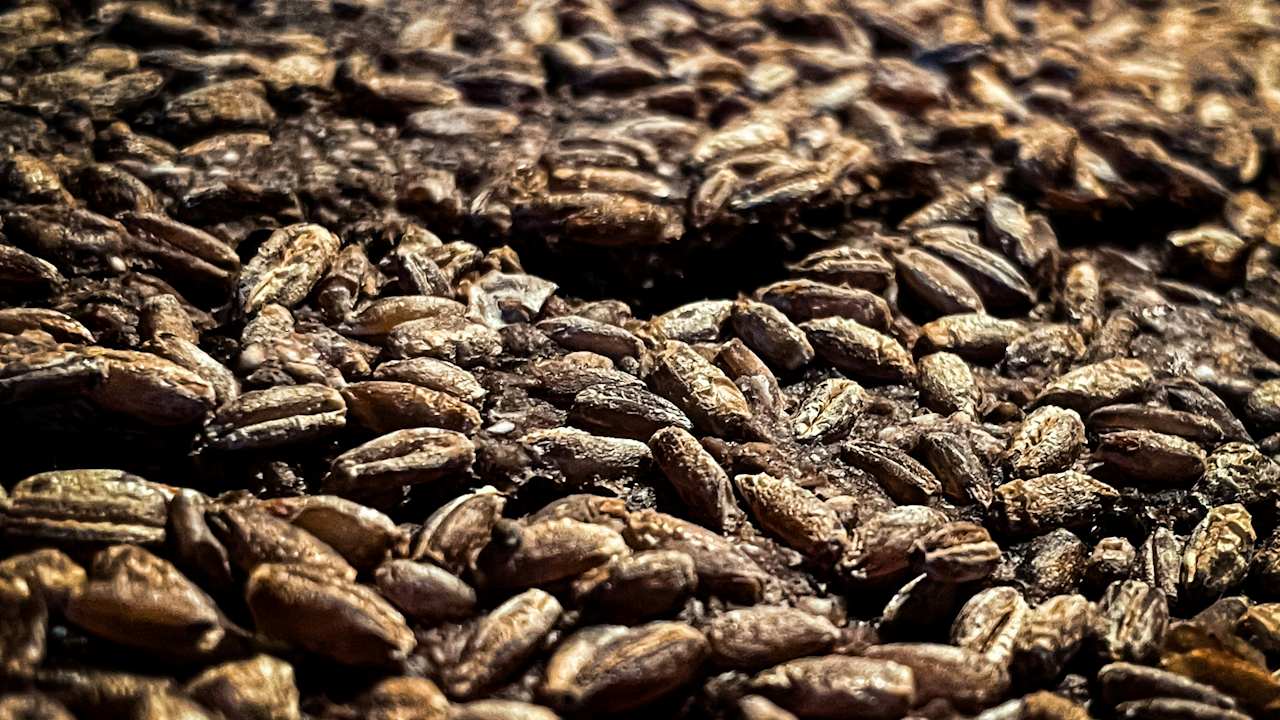
In an era dominated by high-yield, uniform crops engineered for industrial agriculture, a quiet revolution is taking place in fields and kitchens around the world. Heritage grains, also known as ancient cereals, represent a return to the diverse, resilient, and flavorful varieties that sustained human civilizations for thousands of years. These grains, such as einkorn, emmer, spelt, and farro, offer more than just nostalgia. They provide superior nutrition, environmental benefits, and unique tastes that modern wheat often lacks. This article explores the rich history of heritage grains, their characteristics, the reasons for their resurgence, and the practical ways they are being integrated into contemporary food systems.
The Origins of Ancient Cereals
Cereal grains have been central to human survival since the dawn of agriculture. Around 10,000 years ago, in the Fertile Crescent of the Middle East, early farmers began domesticating wild grasses. The first domesticated wheats were diploid and tetraploid species like einkorn and emmer. These primitive grains laid the foundation for settled societies, enabling the storage of food, population growth, and the development of complex cultures.
Einkorn, one of the earliest cultivated wheats, derives its name from the German words meaning “single grain” because its spikelets contain only one kernel each. Archaeological evidence shows einkorn cultivation dating back to approximately 9000 BCE in regions now part of Turkey, Syria, and Iraq. Emmer, a close relative, followed shortly after and became a staple in ancient Egypt, where it was used to make bread and beer for pharaohs and laborers alike. The Egyptians revered emmer for its ability to thrive in the Nile’s variable conditions.
As agriculture spread to Europe and Asia, other grains emerged or were adapted. Spelt, a hexaploid wheat, gained popularity in Central Europe during the Bronze Age. In parts of Italy, farro (often referring to emmer or related species) remained a dietary cornerstone through Roman times. Rye and barley, though sometimes classified separately, also count among heritage cereals due to their long histories and hardy natures. These grains accompanied migrations, trade routes, and empires, adapting to local climates and soils over millennia.
By contrast, modern bread wheat (Triticum aestivum) resulted from further hybridization in the 20th century. The Green Revolution of the 1960s and 1970s prioritized varieties that responded well to synthetic fertilizers, irrigation, and pesticides. These new strains produced dramatically higher yields but often at the cost of genetic diversity, nutritional density, and flavor.
Key Heritage Grains and Their Distinct Features
Heritage grains differ from modern counterparts in several important ways. They tend to be taller plants with stronger root systems, making them more competitive against weeds and resilient to drought or poor soil. Their lower gluten content or different gluten structures can make them easier to digest for some people, though they are not suitable for those with celiac disease.
Einkorn stands out for its simplicity. It has a sweet, nutty flavor and a golden hue when milled into flour. Because it retains its hull until processed, it requires special milling equipment, but the result is a flour rich in protein, antioxidants, and minerals like magnesium and zinc. Einkorn’s lutein content supports eye health, and studies suggest it may have a lower glycemic index than modern wheat.
Emmer, sometimes called farro medio in Italian cuisine, offers a chewy texture ideal for soups, salads, and pilafs. Its higher fiber and protein levels make it satisfying and nutritious. Ancient Romans valued emmer for its storage qualities; it could last years without spoiling.
Spelt has a mild, slightly sweet taste and works well in baked goods. It contains more protein than common wheat and features a broader spectrum of amino acids. Spelt’s hull protects the kernel during growth, contributing to its hardiness in cooler, wetter climates of northern Europe.
Other notable heritage grains include kamut (also known as Khorasan wheat), an ancient Egyptian variety with large kernels and a buttery flavor; teff, a tiny grain from Ethiopia used in injera bread; and sorghum, widely grown in Africa and now gaining traction globally for its gluten-free properties and drought tolerance.
These grains maintain greater genetic diversity than commercial hybrids. This diversity translates to natural resistance against pests and diseases, reducing the need for chemical inputs.
Nutritional Superiority and Health Benefits
One of the strongest arguments for rediscovering heritage grains lies in their nutritional profiles. Modern wheat breeding focused on yield and baking performance often reduced levels of micronutrients. Heritage varieties frequently contain higher amounts of vitamins, minerals, and phytochemicals.
For instance, einkorn flour can have up to four times more beta-carotene than modern wheat. Many ancient grains boast elevated antioxidant activity, which helps combat oxidative stress in the body. Their complex carbohydrates and higher fiber content promote stable blood sugar levels and better gut health.
Some individuals report fewer digestive issues with heritage grains, possibly due to different protein compositions or the presence of beneficial compounds absent in highly processed flours. While not a cure for gluten sensitivities, these grains encourage mindful eating and whole-grain consumption rather than reliance on refined products.
From a dietary perspective, incorporating heritage grains supports a more varied microbiome. Their unique starches and fibers feed beneficial bacteria in the gut, potentially improving immunity and reducing inflammation.
Environmental and Agricultural Advantages
Industrial agriculture has led to soil degradation, water scarcity, and loss of biodiversity. Heritage grains counter these trends in meaningful ways. Their robust root systems improve soil structure, enhance water retention, and sequester carbon more effectively than shallow-rooted modern crops.
Many heritage varieties thrive with minimal or no synthetic fertilizers. Farmers practicing organic or regenerative methods find them compatible with crop rotation, cover cropping, and polyculture systems. In regions facing climate challenges, such as increasing drought or erratic rainfall, ancient cereals often outperform hybrids bred for stable conditions.
Preserving heritage grains also safeguards genetic resources. Seed banks and community exchanges maintain varieties that could prove vital for future breeding programs as pests evolve or climates shift. Organizations dedicated to seed saving emphasize that these grains embody cultural heritage as much as biological heritage.
Challenges in Rediscovery
Despite their benefits, heritage grains face obstacles to widespread adoption. Yields are generally lower than modern varieties, which can make them less economically viable for large-scale operations. Processing requires adjustments; many ancient grains have tough hulls that demand specialized equipment.
Consumer education remains another hurdle. Most people are accustomed to the soft texture and neutral flavor of supermarket bread. Transitioning to denser, more flavorful heritage loaves takes time and experimentation. Supply chains for heritage flours are still developing, though they have expanded rapidly in recent years.
Small-scale farmers and artisan bakers have led the revival. In Italy, the Slow Food movement has championed farro and ancient wheats. In the United States and Canada, heritage grain projects connect growers with millers and bakers. Europe has seen a surge in interest through initiatives like the Ark of Taste, which catalogs endangered foods.
Modern Uses and Culinary Applications
Heritage grains shine in both traditional and innovative recipes. A simple einkorn sourdough bread highlights the grain’s natural sweetness and excellent crust formation. Emmer risotto, known as farrotto in Italy, provides a nutty alternative to rice. Spelt berries can be cooked like barley for hearty salads with vegetables, herbs, and cheeses.
Bakers experiment with blending heritage flours to achieve desired rises while retaining nutritional advantages. Pasta made from ancient wheats holds sauce better and offers a satisfying chew. Brewers use heritage barley and wheat for craft beers with distinctive profiles.
Home cooks can source whole berries, flakes, or flours from specialty markets or online suppliers. Soaking or sprouting these grains enhances digestibility and nutrient availability. Recipes often call for longer cooking times than modern grains, but the results reward patience with deeper flavors.
Restaurants focused on farm-to-table concepts feature heritage grain dishes prominently. This trend reflects growing consumer demand for transparency, sustainability, and taste.
The Future of Ancient Cereals
The movement to rediscover heritage grains aligns with broader shifts toward regenerative agriculture, food sovereignty, and culinary authenticity. As awareness grows about the environmental costs of monoculture and the health implications of ultra-processed foods, ancient cereals provide practical solutions.
Research continues into breeding programs that combine the best traits of heritage and modern varieties without sacrificing diversity. Citizen science projects encourage gardeners and small farmers to grow and save seeds, strengthening local food systems.
Ultimately, heritage grains remind us of agriculture’s roots. They connect eaters to thousands of years of human ingenuity and adaptation. By choosing these ancient cereals, we support biodiversity, honor cultural legacies, and invest in more resilient food futures.
In kitchens, bakeries, and fields worldwide, the story of heritage grains continues to unfold. Each loaf of einkorn bread or bowl of emmer salad carries echoes of ancient harvests while addressing contemporary needs. Rediscovering these cereals is not merely a trend but a thoughtful reclamation of nourishment, flavor, and sustainability for generations to come.