

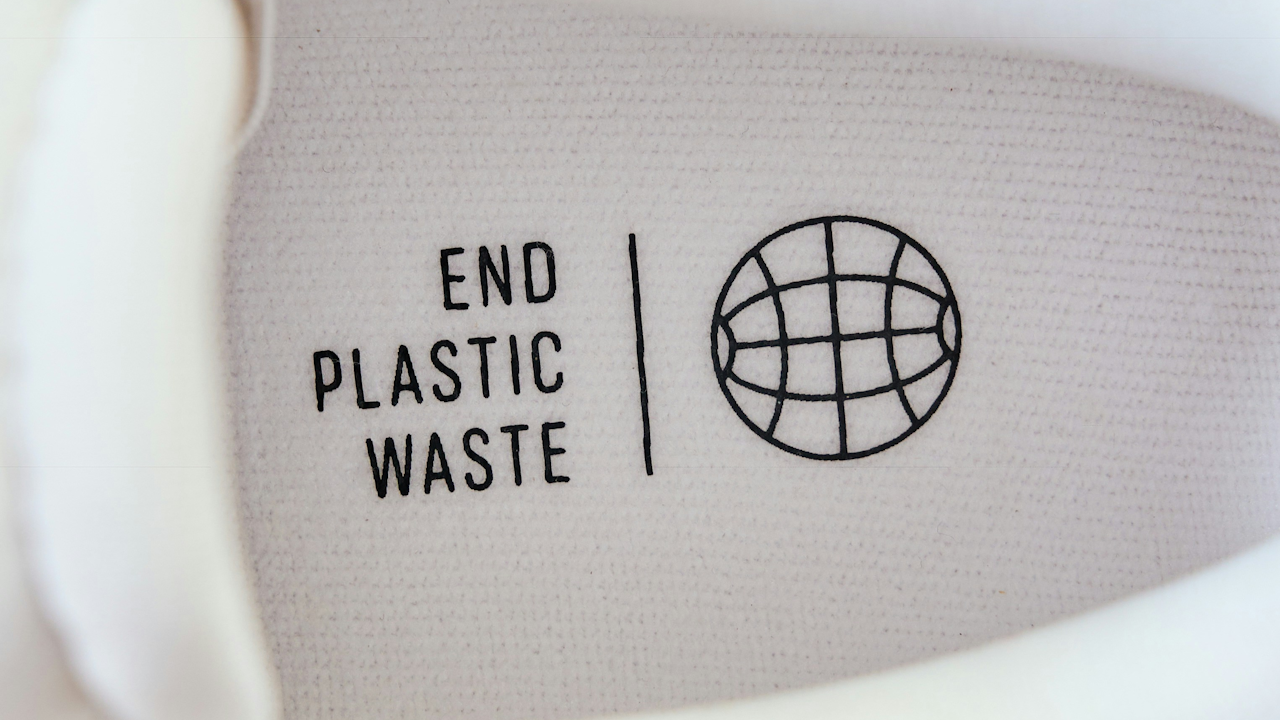
The footwear industry has long been a significant contributor to environmental pollution, but a growing movement toward sustainability is changing the game. Biodegradable sneakers represent one of the most promising innovations in eco-friendly fashion. These shoes are designed to break down naturally after their useful life ends, reducing landfill waste and the carbon footprint associated with traditional athletic wear. As consumers become more conscious of their environmental impact, biodegradable sneakers are gaining traction as a practical and stylish alternative.
Traditional sneakers, often made from synthetic materials like polyester, polyurethane, and rubber, pose substantial environmental challenges. A single pair of conventional sneakers can take hundreds of years to decompose. Manufacturing processes involve petroleum-based plastics and chemicals that release harmful emissions. The global footwear industry produces billions of pairs annually, many of which end up in landfills or incinerators. Microplastics from degrading shoe soles further pollute oceans and soil. In response, brands and researchers have turned to biodegradable alternatives that maintain performance while addressing these ecological concerns.
Biodegradable sneakers are footwear engineered to decompose through natural biological processes involving microorganisms, moisture, and oxygen. Unlike conventional shoes that persist in the environment, these sneakers break down into harmless substances such as water, carbon dioxide, and biomass. The key lies in selecting materials that are compostable or naturally degradable without leaving toxic residues. This approach aligns with circular economy principles, where products are designed for eventual return to the earth rather than perpetual waste.
Materials form the foundation of biodegradable sneaker technology. Many designs incorporate organic cotton or hemp for uppers, providing breathability and durability similar to traditional fabrics. Soles often use natural rubber sourced from rubber trees or innovative plant-based compounds like rice husks, cork, or algae-derived foams. Some brands experiment with mycelium, the root structure of mushrooms, which can be grown into flexible, leather-like materials. Innersoles and linings frequently feature cork, wool, or recycled plant fibers. Adhesives present a particular challenge, so manufacturers are shifting to water-based or bio-derived glues that do not hinder decomposition. These materials must balance performance requirements such as cushioning, grip, and water resistance with their eco-friendly properties.
One standout example involves sneakers made primarily from castor bean oil for midsole foam. Castor plants grow quickly and require minimal water and pesticides, making them a renewable resource. Other innovations include sneakers with soles from sugarcane-based EVA foam or completely plant-derived polyurethane. Some designs even use banana fibers or pineapple leaves for reinforcement, turning agricultural waste into valuable components. These choices reduce reliance on fossil fuels and lower the overall energy consumption during production.
The benefits of biodegradable sneakers extend beyond waste reduction. They typically require fewer toxic chemicals in manufacturing, leading to safer working conditions for factory employees. Many biodegradable models are lighter than their synthetic counterparts, which can improve comfort during wear. Consumers also report that natural materials offer superior breathability, reducing foot odor and moisture buildup. From a broader perspective, widespread adoption could significantly cut the footwear industry’s carbon emissions, which currently account for a notable portion of global greenhouse gases.
Environmental impact assessments show promising results. A biodegradable sneaker might decompose in a commercial composting facility within months to a few years, compared to centuries for standard pairs. In home compost or natural soil conditions, decomposition takes longer but still occurs without microplastic pollution. This process supports soil health by returning organic matter rather than contaminating it. Additionally, many brands use low-impact dyeing techniques with natural pigments derived from plants, further minimizing water pollution.
Despite these advantages, biodegradable sneakers face several challenges. Durability remains a primary concern, as natural materials can sometimes wear out faster than synthetics under heavy use. Athletes and runners who log high mileage may find that current biodegradable options do not yet match the longevity of premium performance shoes. Water resistance can also be an issue, though advancements in natural waterproof coatings are addressing this gap. Cost represents another barrier, with eco-friendly sneakers often priced higher due to specialized materials and smaller production scales. However, as technology improves and demand increases, prices are expected to become more competitive.
The decomposition process itself requires specific conditions to work effectively. Most biodegradable sneakers are designed for industrial composting facilities that maintain high temperatures and consistent moisture levels. In backyard compost piles or landfills without proper aeration, breakdown may slow considerably. This reality highlights the importance of proper disposal instructions from manufacturers. Some companies offer take-back programs where consumers return worn shoes for professional composting or recycling into new products.
Several pioneering brands have led the way in biodegradable sneaker development. Vivobarefoot offers minimalist designs using natural and recycled materials with strong emphasis on biodegradability. Allbirds gained popularity with its Wool Runner and Tree Runner lines, incorporating merino wool and eucalyptus tree fiber. Adidas has experimented with biodegradable concepts through its Futurecraft series, including prototypes made from ocean plastic and natural fibers. Smaller companies like Veja use organic cotton and wild rubber from the Amazon, focusing on ethical sourcing and transparency. Native Shoes and Rothys have also introduced plant-based collections that prioritize compostability.
Innovation continues at a rapid pace. Researchers are exploring 3D-printed midsoles from biodegradable polymers derived from corn starch or lactic acid. Some startups are developing sneakers with embedded enzymes that accelerate decomposition once the shoe is buried. Others focus on modular designs where components can be replaced individually, extending the shoe’s life before full biodegradation. Collaborations between footwear companies and biotechnology firms are yielding mushrooms-based alternatives that grow quickly in controlled environments.
For consumers interested in switching to biodegradable sneakers, several factors deserve consideration. Look for certifications such as GRS (Global Recycled Standard) or compostability labels from organizations like TUV Austria or the Biodegradable Products Institute. Examine material breakdowns provided by brands to understand exact composition. Comfort and fit should still be priorities, so trying shoes in person remains advisable. Consider intended use, whether for casual wear, light athletics, or everyday activities, as performance levels vary across models.
Maintenance plays a crucial role in maximizing the lifespan of biodegradable sneakers. Proper cleaning with gentle, eco-friendly products helps preserve materials. Rotating pairs and allowing shoes to air dry naturally prevents premature wear. Storing them away from direct sunlight and extreme temperatures maintains structural integrity. When the time comes for disposal, follow manufacturer guidelines carefully to ensure optimal decomposition.
The future of biodegradable sneakers appears bright as technology matures. Advances in material science promise improved durability without compromising eco-friendliness. Integration of smart features, such as sensors that track wear and suggest optimal disposal timing, could emerge. Government regulations promoting sustainable products may accelerate industry-wide adoption. Consumer education campaigns will likely increase demand, creating economies of scale that drive down prices.
Biodegradable sneakers embody a shift toward responsible consumption in the fashion and athletic industries. They demonstrate that performance and environmental stewardship can coexist successfully. While challenges remain in scaling production and perfecting durability, ongoing innovations suggest that these eco-friendly options will become mainstream. By choosing biodegradable sneakers, individuals contribute to reducing plastic pollution, conserving resources, and supporting a more sustainable planet.
As awareness grows, the conversation around footwear sustainability expands beyond biodegradability to encompass ethical labor practices, carbon-neutral manufacturing, and biodiversity protection. Biodegradable sneakers serve as an entry point into this larger movement, encouraging consumers to think critically about every purchase. The journey toward truly sustainable footwear continues, with each innovative step bringing us closer to harmony between human needs and environmental health.
In conclusion, biodegradable sneakers offer a compelling solution to the environmental problems created by conventional footwear. Their development reflects broader societal values around conservation and innovation. Whether for daily wear or occasional use, these shoes provide an opportunity to make a positive impact with every step. As more options become available across price points and styles, the potential for widespread change increases substantially. The era of eco-friendly footwear has arrived, promising a cleaner future for generations to come.