

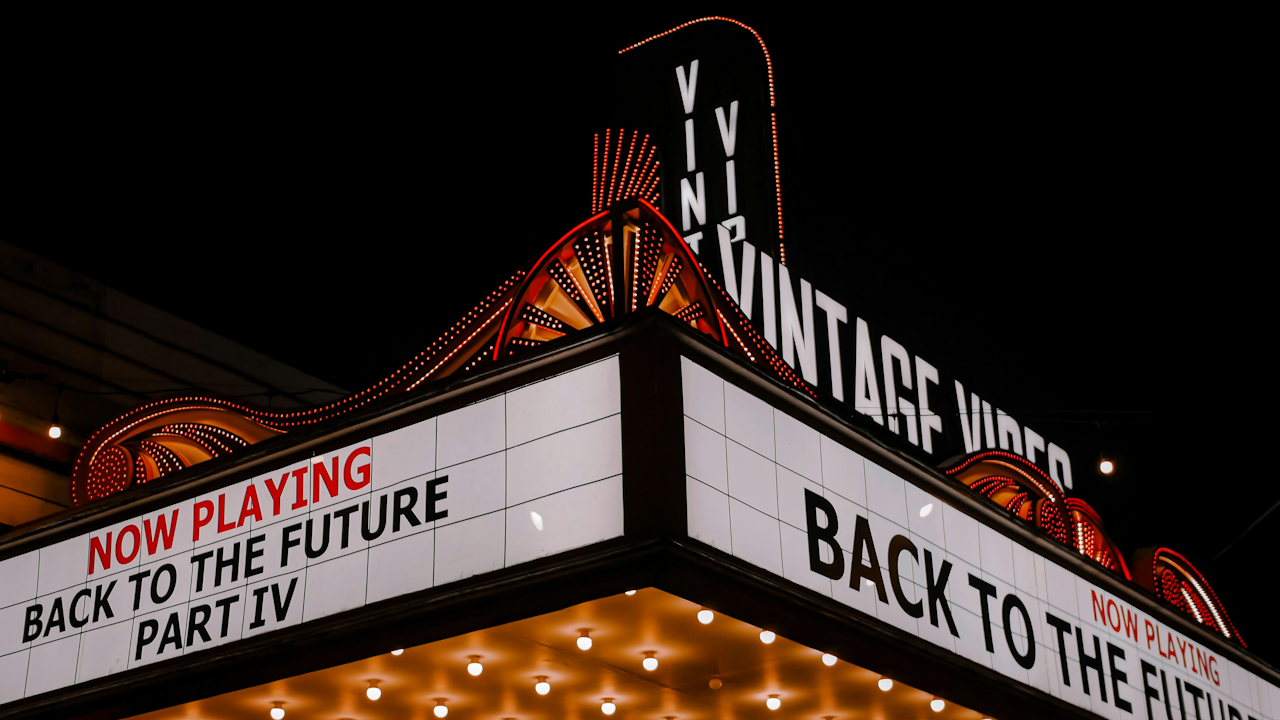
In an era where Hollywood often seems obsessed with familiar properties, nostalgic sequels have become a dominant force in cinema. Films from the 1980s and 1990s, once considered relics of their time, are finding new life through direct continuations decades later. These projects tap into collective memories of arcade lights, cassette tapes, and blockbusters that defined generations. From high-octane action adventures to supernatural comedies, studios are betting big on legacy characters and worlds that audiences first embraced during the heyday of VHS rentals and multiplex weekends.
This trend is not merely about cashing in on brand recognition. It reflects deeper cultural currents. Many viewers who grew up with these films now have disposable income and families of their own. They seek stories that reconnect them with their youth while introducing fresh elements for younger viewers. The result is a wave of sequels that balance reverence for the original with modern storytelling demands.
The Power of Nostalgia in Modern Filmmaking
Nostalgia has always been a potent tool in entertainment, but its application in sequels reached new heights in the 2010s and 2020s. Economic factors play a significant role. Original screenplays carry higher risk in a market dominated by franchises. Reviving proven intellectual property offers a built-in audience and marketing shorthand. Social media amplifies this effect, with fans sharing clips, memes, and theories that build anticipation long before release.
Consider the psychological appeal. For many adults, returning to these universes provides comfort in uncertain times. The 1980s and 1990s represent eras of relative optimism in popular culture, with clear heroes, practical effects, and stories unburdened by today’s often polarized discourse. Sequels allow filmmakers to recapture that spirit while updating themes for contemporary relevance.
Critics sometimes dismiss these projects as lazy cash grabs. Yet when executed well, they can exceed expectations both creatively and commercially. Success depends on honoring the essence of the original while avoiding slavish imitation.
Iconic Action Heroes Return
One of the most visible categories involves action franchises that defined the 1980s and 1990s. These films often featured charismatic stars at their physical peak, and sequels must navigate the realities of aging performers.
Top Gun: Maverick, released in 2022, stands as a landmark example. Thirty-six years after the 1986 original, Tom Cruise reprised his role as Pete “Maverick” Mitchell. The sequel retained the high-flying aviation sequences and cocky pilot bravado while deepening the emotional stakes. Audiences responded enthusiastically, turning it into one of the highest-grossing films of its year. The movie cleverly integrated legacy characters alongside new talent, creating a passing-of-the-torch dynamic that felt organic rather than forced.
Similarly, Eddie Murphy brought back Axel Foley in Beverly Hills Cop: Axel F in 2024. The fourth installment in the series arrived nearly thirty years after the third film. Set in modern Detroit and Los Angeles, it recaptured the street-smart humor and fish-out-of-water energy that made the originals hits. Murphy’s performance blended the familiar wisecracking style with a more reflective tone appropriate for an older character.
The Bad Boys series followed a comparable path. Will Smith and Martin Lawrence returned for Bad Boys for Life in 2020 and Bad Boys: Ride or Die in 2024. These films updated the buddy-cop formula with contemporary action choreography while preserving the banter and chemistry that defined the 1995 debut. The passage of time became a thematic element, with the characters confronting retirement and legacy.
Supernatural and Sci-Fi Revivals
Horror-comedy and science fiction properties from the era have also seen successful resurrections. These genres lend themselves particularly well to sequels because their worlds can expand in surprising directions.
Ghostbusters: Afterlife (2021) and its follow-up Ghostbusters: Frozen Empire (2024) relocated the paranormal franchise to a new generation. While paying homage to the 1984 original through callbacks and returning cast members like Bill Murray, Dan Aykroyd, and Ernie Hudson, the films centered on a family discovering their connection to the original team. This approach allowed for both nostalgia and innovation, introducing younger protagonists and updated ghost-hunting technology.
Beetlejuice Beetlejuice, released in 2024, brought back Michael Keaton’s chaotic bio-exorcist after thirty-five years. Director Tim Burton returned to his signature gothic style, crafting a story that reunited the original cast while expanding the afterlife mythology. The sequel maintained the anarchic spirit of the 1988 film but incorporated modern visual effects and a meta-commentary on sequels themselves.
In science fiction, the Terminator series has seen multiple attempts at revival, though with varying degrees of success. Terminator: Dark Fate (2019) ignored several previous sequels to directly continue from Terminator 2: Judgment Day. Linda Hamilton reprised her role as Sarah Connor, joined by Arnold Schwarzenegger. While the film earned mixed reviews, it demonstrated the enduring appeal of the franchise’s core concepts of time travel and unstoppable machines.
Family Adventures and Blockbuster Spectacle
Many 1990s family-oriented blockbusters have spawned modern counterparts that emphasize spectacle and emotional resonance.
The Jurassic franchise evolved into the Jurassic World trilogy starting in 2015. These films built upon the groundbreaking 1993 original by Steven Spielberg, increasing scale with massive dinosaur set pieces and genetic engineering themes. Chris Pratt and Bryce Dallas Howard led the new ensemble, while original cast members made cameo appearances. The series balanced thrilling action with warnings about scientific hubris, maintaining relevance across generations.
Twisters, released in 2024, served as a spiritual successor to the 1996 film Twister. Daisy Edgar-Jones and Glen Powell starred in this standalone story set in the world of storm chasing. While not a direct sequel with returning characters, it captured the same sense of awe and danger around extreme weather. Practical effects and practical stunt work echoed the original’s groundbreaking approach to on-location filming.
Indiana Jones and the Dial of Destiny (2023) marked the final chapter for Harrison Ford’s adventurous archaeologist. The fifth film in the series, set in the 1960s, confronted themes of aging and obsolescence while delivering globe-trotting action. Though it received a more muted reception than earlier entries, it provided closure for a character who first appeared in 1981’s Raiders of the Lost Ark.
Challenges and Criticisms
Not every nostalgic sequel achieves success. Several factors can derail these projects. Poorly handled recasting, outdated storytelling, or excessive reliance on fan service often lead to disappointment. Audiences have grown sophisticated and can detect when a film prioritizes nostalgia over narrative coherence.
Budget inflation presents another hurdle. Modern blockbusters require enormous marketing spends and visual effects budgets that dwarf those of the originals. This pressure sometimes results in overstuffed plots that try to satisfy too many expectations simultaneously.
Cultural shifts also create complications. What resonated in the 1980s or 1990s may need adjustment to avoid alienating contemporary viewers. Filmmakers must thread the needle between authenticity and sensitivity, a balance that proves elusive in some cases.
Despite these challenges, data from box office analysts shows that well-crafted nostalgic sequels often outperform original properties in theatrical releases. Their appeal extends to home video and streaming, where they become comfort watches for families.
The Future of Legacy Continuations
Looking ahead, several projects suggest the trend will continue. Studios have announced or are developing sequels to The Goonies, Who Framed Roger Rabbit, and various 1990s comedies. The video game industry has followed suit with remakes and legacy sequels to titles from the same era.
Technology offers new possibilities. De-aging techniques allow actors to appear as they did in their prime, though ethical questions remain about digital resurrection. Virtual production and advanced visual effects enable creators to expand worlds in ways impossible during the practical-effects era of the originals.
Ultimately, the success of these sequels depends on emotional truth. Audiences do not simply want repetition. They crave stories that acknowledge the passage of time while reaffirming the values that made the originals special: friendship, courage, wonder, and the triumph of underdogs.
As Hollywood navigates an increasingly fragmented media landscape, nostalgic sequels provide a bridge between past and present. They remind us why we fell in love with cinema in the first place. For those who remember crowding into theaters with friends or recording favorite films off cable television, these revivals offer more than entertainment. They deliver a sense of continuity in a rapidly changing world.
The 1980s and 1990s produced stories that captured imaginations across demographics. Their revival demonstrates that some characters and concepts possess timeless appeal. As long as audiences seek connection through shared cultural touchstones, filmmakers will likely keep mining this rich vein of cinematic history. The key lies in treating these properties with the respect and creativity they deserve, ensuring that nostalgia serves the story rather than replacing it.