

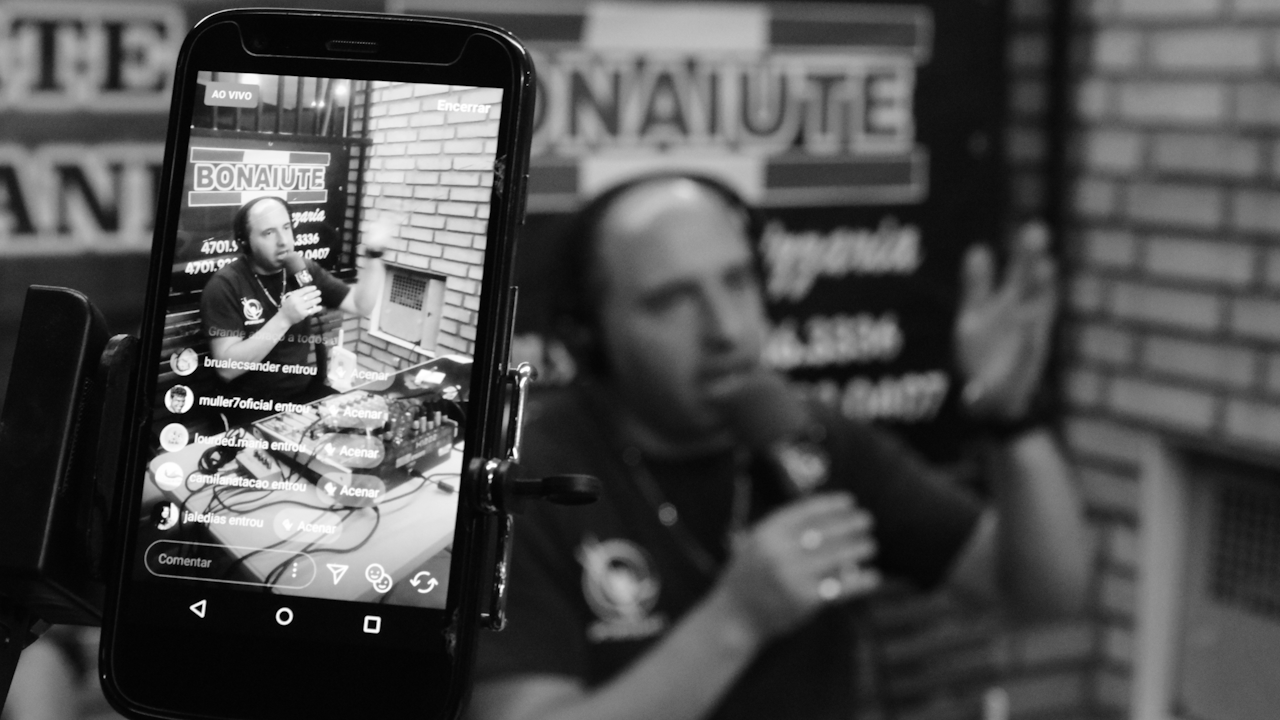
Political podcasts have emerged as one of the most influential mediums in contemporary discourse. Unlike traditional radio or television news, which often operate under strict editorial controls and broadcast schedules, podcasts offer on-demand, unfiltered access to ideas, interviews, and analysis. Listeners can engage with content during commutes, workouts, or household chores, creating an intimate experience that fosters deeper connections with hosts and their viewpoints. This format has grown rapidly, transforming how political information spreads and how public opinion forms in democratic societies.
The rise of political podcasts coincides with broader shifts in media consumption. As trust in mainstream institutions declined in many countries, audiences sought alternatives that felt more authentic and less polished. Podcasts filled this gap by allowing independent voices, journalists, activists, and politicians to speak directly to listeners without gatekeepers. Their low production costs and global reach via platforms like Spotify, Apple Podcasts, and YouTube have democratized political commentary, enabling both established figures and newcomers to build large followings.
The Evolution of Political Audio Content
Political discussion through audio has deep roots. Talk radio dominated the late 20th century, with hosts like Rush Limbaugh in the United States building massive audiences through partisan commentary. However, the podcast format, popularized in the early 2000s with the advent of RSS feeds and portable media players, offered greater flexibility. Early political podcasts often focused on niche topics or specific ideologies, but the 2016 US presidential election marked a turning point. Shows analyzing campaigns, candidates, and controversies gained millions of downloads, proving the medium’s power to influence voter engagement.
By the 2020s, political podcasts had diversified. Progressive outlets like “Pod Save America” from former Obama staffers attracted left-leaning audiences with insider perspectives and sharp criticism of opponents. Conservative shows such as “The Ben Shapiro Show” or “The Daily Wire” offerings emphasized free-market principles, cultural issues, and skepticism toward progressive policies. Centrist or independent podcasts, including “The Ezra Klein Show” or “The Dispatch,” attempted to bridge divides through long-form interviews and data-driven analysis.
Internationally, similar patterns emerged. In the United Kingdom, podcasts covering Brexit and subsequent political realignments gained traction. In India and Brazil, audio content in local languages helped shape narratives around populism and national identity. The format’s adaptability allowed it to thrive in regions with limited internet infrastructure, where audio files could be downloaded and shared via messaging apps.
Mechanisms of Influence on Public Opinion
Political podcasts shape opinion through several key mechanisms. First, they provide depth. Traditional news segments last minutes, but podcast episodes often run for one to three hours. This allows hosts to explore topics exhaustively, cite sources, and respond to counterarguments in real time. Listeners absorb nuanced arguments that might not fit into soundbites, potentially leading to more informed views or stronger entrenchment of existing ones.
Second, personality and parasocial relationships play a major role. Successful hosts cultivate loyal audiences by sharing personal anecdotes, humor, and emotional appeals alongside policy discussion. Listeners feel as though they know the host, increasing receptivity to their framing of events. This trust can amplify influence during elections, where endorsements or repeated messaging sway undecided voters.
Third, algorithms and recommendation systems boost visibility. Platforms prioritize content based on engagement metrics, creating feedback loops. A popular episode on a controversial topic generates shares, comments, and further recommendations, exposing new listeners to similar viewpoints. This dynamic contributes to polarization, as users encounter reinforcing content while avoiding dissenting voices.
Accessibility further enhances impact. Podcasts require minimal literacy barriers compared to long articles and can reach non-traditional audiences, including younger demographics who consume less legacy media. Data from industry reports indicates political podcast listeners tend to be more politically active, with higher rates of voting, donating, and volunteering. This creates a multiplier effect where engaged listeners amplify messages through social networks.
Case Studies of Prominent Podcasts
Several podcasts illustrate the medium’s reach. “The Joe Rogan Experience,” while not exclusively political, frequently hosts politicians and commentators, exposing guests to millions. Episodes featuring figures across the spectrum have sparked national conversations and occasionally shifted public debates on issues like COVID-19 policies or free speech.
On the left, “The Mehdi Hasan Show” and similar programs have dissected conservative policies with data and historical context, energizing progressive mobilization. Conservative counterparts like “Breaking Points” or solo shows by commentators such as Candace Owens focus on cultural grievances and institutional distrust, resonating with audiences feeling alienated by elite consensus.
In Europe, podcasts tied to specific movements have influenced referendums and elections. During the French presidential campaigns, audio series analyzing candidate platforms circulated widely among younger voters. In Australia, independent political podcasts have challenged major party narratives on climate and immigration.
Quantitative evidence supports their sway. Studies from organizations tracking media consumption link regular podcast listening to measurable changes in issue salience. For instance, spikes in downloads of election-focused shows often correlate with increased search interest and social media activity on related topics. While causation remains complex, the correlation suggests podcasts function as agenda-setters.
Echo Chambers and Polarization
Critics argue that political podcasts exacerbate societal divisions. The on-demand nature allows listeners to curate feeds aligning perfectly with their beliefs, creating echo chambers. Confirmation bias intensifies as audiences seek validation rather than challenge. Hosts may employ selective facts or strong rhetoric, further entrenching positions.
Polarization manifests in several ways. Language becomes more adversarial, with opponents labeled as threats rather than fellow citizens. Policy debates shift from compromise to existential conflict. Research on media effects indicates that exposure to partisan content correlates with decreased trust in opposing institutions and increased affective polarization, where individuals dislike those holding different views.
However, defenders counter that podcasts merely reflect existing divides rather than create them. In an era of fragmented media, they provide spaces for marginalized perspectives that legacy outlets might overlook. Some shows actively invite cross-ideological dialogue, though these remain exceptions.
Impact on Elections and Governance
Political podcasts have demonstrated tangible effects on electoral outcomes. In the United States, candidates increasingly appear on popular shows to reach voters who skip traditional debates. Appearance on a high-profile podcast can generate buzz equivalent to major network interviews but with longer, more substantive exchanges.
Beyond campaigns, podcasts influence governance by holding officials accountable or pressuring them on specific issues. Episodes highlighting policy failures or scandals can drive public campaigns, petitions, or legislative attention. Conversely, sympathetic coverage can bolster approval ratings and policy support.
The medium also affects fundraising. Hosts with large audiences often direct listeners toward candidates or causes, channeling small-dollar donations efficiently. This grassroots power contrasts with big-donor influence in traditional politics.
Challenges and Ethical Considerations
Despite their strengths, political podcasts face scrutiny. Misinformation spreads easily when hosts prioritize narrative over verification. Fact-checking lags behind rapid release schedules, allowing false claims to gain traction before corrections emerge. Platform policies vary, with some removing content deemed harmful while others prioritize free expression.
Monetization raises questions about independence. Many shows rely on sponsorships, subscriptions, or merchandise, potentially aligning content with audience retention rather than accuracy. Advertisers seeking engaged listeners may indirectly shape editorial choices.
Regulation poses dilemmas. Democratic societies value free speech, yet concerns about foreign interference or domestic radicalization through audio content have prompted calls for transparency in funding and labeling. Balancing oversight with innovation remains contentious.
Diversity represents another challenge. While the medium has lowered barriers, prominent hosts still skew toward certain demographics, education levels, and ideological poles. Efforts to broaden representation continue, with emerging voices addressing underrepresented communities.
The Future of Political Podcasts
Looking ahead, technological advancements will likely expand influence. Artificial intelligence could enable personalized episodes adapting to listener preferences or generate synthetic voices for broader accessibility. Integration with virtual reality or interactive formats might deepen engagement.
Globalization will accelerate as translation tools allow cross-border audiences. A podcast originating in one country could shape opinion in another within hours. This interconnectedness offers opportunities for shared understanding but risks cultural clashes or coordinated disinformation campaigns.
Podcasts may also converge with other formats. Video versions on YouTube already blur lines with traditional broadcasting, while short clips fuel social media virality. The most successful creators will combine depth with adaptability across platforms.
As audiences fragment further, political podcasts could either deepen divides or foster new coalitions. Their ultimate trajectory depends on hosts’ responsibility, listeners’ discernment, and platforms’ design choices.
Conclusion
Political podcasts represent a powerful evolution in how information and ideas circulate. By offering intimacy, depth, and accessibility, they shape public opinion in ways traditional media struggle to match. They empower individuals to engage with politics on personal terms while challenging established power structures. Yet this power brings responsibilities to pursue truth, encourage critical thinking, and acknowledge complexity.
In an age of information abundance, discerning listeners play a crucial role. By seeking diverse sources, questioning assumptions, and engaging with opposing arguments, audiences can harness podcasts’ potential without succumbing to their pitfalls. As the medium matures, its capacity to inform, mobilize, and connect will continue defining democratic discourse for years to come. Understanding these dynamics equips citizens to navigate the evolving media landscape more effectively.