

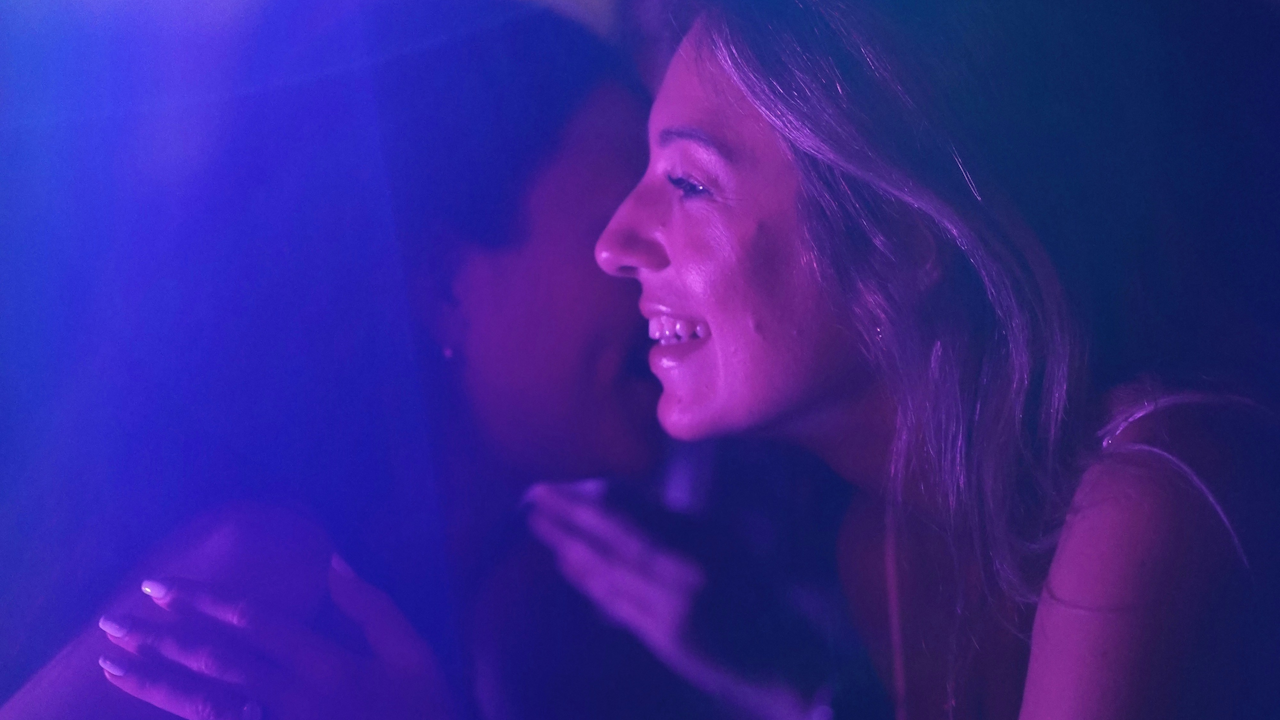
Autonomous Sensory Meridian Response, better known as ASMR, has quietly shifted from a niche internet phenomenon to a widespread cultural experience. What began as obscure YouTube videos featuring soft whispers and gentle tapping sounds has evolved into a multimillion-dollar industry that attracts millions of viewers daily. From sleep aids to marketing tools, ASMR now appears in mainstream media, wellness practices, and even corporate advertising. This article explores the roots of ASMR culture, the reasons behind its surge in popularity, and what its mainstream acceptance reveals about modern society.
Understanding ASMR: The Basics
ASMR refers to a tingling sensation that typically starts at the scalp and moves down the neck and spine. People often describe it as a pleasant, static-like feeling accompanied by deep relaxation. Common triggers include whispering, soft speaking, personal attention role-plays, tapping on objects, brushing sounds, and careful hand movements.
The term ASMR was coined in 2010 by Jennifer Allen, who sought a scientific-sounding name for the experience many described informally as “brain tingles” or “head orgasms.” Unlike traditional relaxation methods, ASMR is highly personal. Not everyone experiences it, and those who do often report using it for stress relief, anxiety reduction, and improved sleep.
The format of ASMR content is deliberately intimate. Creators film in high-definition with binaural microphones that simulate three-dimensional sound. Viewers often wear headphones to maximize the effect. Popular role-play scenarios include haircuts, medical examinations, makeup applications, or simply friendly conversations. These videos can last from a few minutes to several hours.
The Origins and Early Days
While the term is modern, the sensations ASMR describes likely existed long before the internet. Many people recall childhood experiences of tingles triggered by teachers speaking softly, librarians turning pages, or family members brushing hair. Some trace similar descriptions in literature or personal accounts from decades past.
The digital era gave ASMR its platform. In the early 2000s, users on forums like SteadyHealth and Yahoo Groups began sharing experiences of unexplained tingles from certain sounds or videos. By 2009 and 2010, dedicated YouTube channels emerged. Early pioneers such as WhisperingLife, GentleWhispering, and TheASMRGeek built loyal followings by experimenting with different triggers.
The community grew organically through Reddit’s r/ASMR subreddit, founded in 2010, which now has millions of members. What started as a small group sharing links evolved into a global network of creators, listeners, and researchers. Early content was often homemade with basic equipment, emphasizing authenticity over production value.
The Science Behind the Tingles
Researchers have begun studying ASMR more seriously in recent years. Brain imaging studies suggest that ASMR activates regions associated with reward, emotion, and social bonding. Functional MRI scans show increased activity in areas like the medial prefrontal cortex and nucleus accumbens during ASMR experiences.
One leading theory connects ASMR to grooming behaviors observed in primates. Gentle touch and soft vocalizations strengthen social bonds in many species. In humans, ASMR may tap into similar evolutionary mechanisms for trust and relaxation. This explains why personal attention role-plays are particularly effective.
Studies published in peer-reviewed journals have linked ASMR to reduced heart rates and increased skin conductance, indicating a genuine physiological response. Some researchers compare it to frisson, the chills people feel from music, but note that ASMR tends to be more sustained and relaxing rather than sudden and exciting.
Not everyone experiences ASMR, and research suggests genetic factors may play a role. People with high openness to experience or certain personality traits seem more likely to respond. There is also evidence that ASMR helps with insomnia, with many users reporting faster sleep onset after watching triggering videos.
The Explosion of Popularity
ASMR’s mainstream breakthrough accelerated around 2015 to 2018. Major factors included increased smartphone ownership, better internet speeds, and the rise of algorithmic recommendation systems on platforms like YouTube and TikTok. The COVID-19 pandemic further boosted interest as people sought digital comfort during isolation.
Today, top ASMR creators have audiences that rival traditional celebrities. Channels like GentleWhispering ASMR, ASMR Darling, and Gibi ASMR boast millions of subscribers. Some creators earn significant income through advertising, sponsorships, Patreon support, and merchandise. The industry has professionalized with dedicated studios, sound engineers, and even talent agencies specializing in ASMR artists.
Mainstream media took notice. The New York Times, BBC, and Vogue have published in-depth features. Celebrities including Cardi B, Jennifer Aniston, and Harry Styles have publicly discussed their ASMR experiences or appeared in related content. Brands like IKEA, KFC, and Spotify have created ASMR advertisements featuring whispering narrators and satisfying sounds.
Why Whispers Are Going Mainstream
Several societal shifts explain ASMR’s rise. First is the growing mental health awareness. As conversations around anxiety, depression, and burnout become normalized, people seek accessible, non-pharmaceutical tools for relaxation. ASMR offers an immediate, free or low-cost option that requires no special training.
Second, modern life is increasingly noisy and overstimulating. Constant notifications, urban sounds, and information overload create a craving for gentle stimuli. ASMR provides a sonic escape pod, allowing listeners to focus on soft, predictable sounds that block out chaos.
Third, changing work and lifestyle patterns play a role. Remote work, irregular schedules, and digital nomadism have disrupted traditional sleep patterns. Nighttime ASMR consumption has become common among shift workers, parents, and students.
The intimacy of ASMR also addresses a loneliness epidemic. Many viewers report feeling cared for during role-play videos, even though the interaction is one-sided. In an era of declining social connections, this simulated personal attention fulfills a deep human need.
Technology has made high-quality ASMR more accessible. Binaural recording equipment is affordable, and editing software allows precise sound design. Virtual reality and spatial audio developments promise even more immersive experiences in the coming years.
ASMR Communities and Subcultures
Beyond YouTube, ASMR has spawned vibrant online and offline communities. Discord servers, Twitch streams, and TikTok trends allow real-time interaction. Some fans attend live ASMR events or meetups. There are ASMR podcasts, music albums designed specifically for tingles, and even ASMR-themed restaurants or spa experiences in certain cities.
The community is notably diverse. While early audiences were predominantly young adults, ASMR now appeals across age groups and demographics. Women make up a significant portion of both creators and viewers, though male creators have gained prominence in recent years. International creators bring cultural variations, with Japanese, Korean, and Russian ASMR scenes developing distinct styles.
Creative subgenres have emerged. There is “ASMR cooking” with chopping sounds, “ASMR gaming” with controller clicks, and educational ASMR where teachers whisper lessons. Medical ASMR simulates doctor visits, while “dark ASMR” explores more intense or spooky themes.
Criticisms and Challenges
Like any cultural movement, ASMR faces scrutiny. Some critics argue it promotes dependency or replaces real human connections. Others worry about the sexualization of certain content, though many creators emphasize non-erotic intentions. The platform has seen debates about appropriate boundaries and content moderation.
There are also questions about long-term effects. While short-term benefits seem clear, less research exists on extended daily use. Some users report diminished sensitivity over time, requiring stronger triggers.
Commercialization brings both opportunities and concerns. As brands enter the space, some worry about authenticity loss. Product placement in ASMR videos can feel jarring when the core appeal is gentle escapism.
The Future of ASMR Culture
ASMR shows no signs of fading. Advances in artificial intelligence may create personalized ASMR experiences tailored to individual preferences. Wearable technology could deliver haptic feedback alongside audio triggers. Integration with meditation apps and sleep trackers seems inevitable.
Mainstream acceptance has already influenced other fields. Traditional therapists incorporate ASMR-like techniques in sessions. Sound designers for films and video games study ASMR triggers to enhance emotional impact. The wellness industry has adopted elements in spa treatments and guided relaxation programs.
As society grapples with attention economy pressures and mental health challenges, ASMR offers a counterbalance. Its emphasis on slowness, gentleness, and presence contrasts with fast-paced digital consumption. In this sense, the rise of whispers represents a cultural correction.
A Quiet Revolution
The mainstreaming of ASMR reveals important truths about human needs in the digital age. People still crave connection, calm, and sensory pleasure despite technological abundance. The simple act of listening to a whisper can provide profound comfort.
What started as an unexplained tingling sensation has become a global cultural force. ASMR creators and listeners have built something remarkable: a space where vulnerability is strength, where softness has power, and where millions find peace through shared sounds.
As more people discover these gentle experiences, the culture will likely continue evolving. New triggers, formats, and applications will emerge. Yet at its core, ASMR remains wonderfully simple: the human voice, carefully modulated, reaching across digital distances to trigger something ancient and deeply personal in the brain.
The whispers are here to stay, and their growing volume in mainstream culture suggests that sometimes the softest sounds make the biggest impact. In our loud and hurried world, ASMR reminds us of the power of quiet attention and the universal need for moments of peaceful connection.