

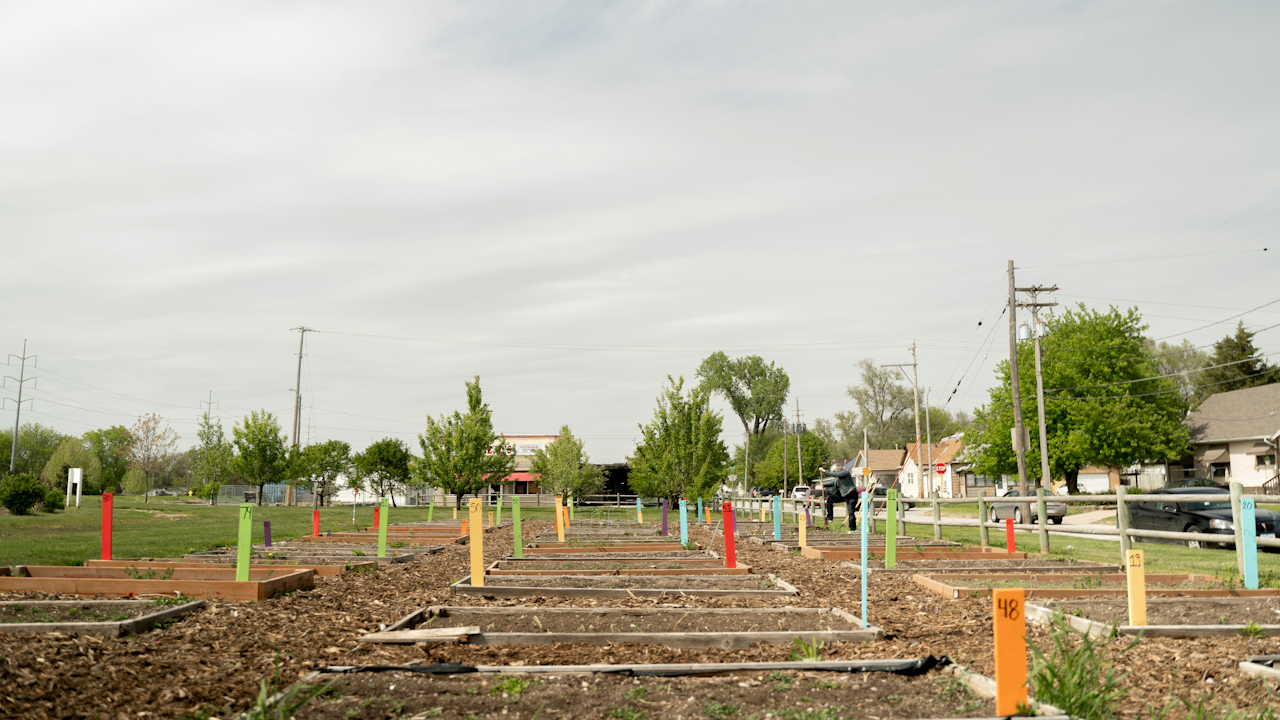
Community gardens have emerged as powerful catalysts for strengthening social connections in urban and suburban neighborhoods across the world. These shared green spaces transform vacant lots, rooftops, and underutilized land into vibrant hubs where residents come together to grow food, cultivate flowers, and nurture relationships. In an era marked by increasing isolation and digital disconnection, community gardens offer a tangible way for people to reconnect with their neighbors and their environment. This article explores the multifaceted role of community gardens in fostering neighborhood bonds, examining their history, benefits, real world examples, challenges, and practical steps for creating them.
The concept of community gardening dates back centuries, with roots in various cultures and historical periods. During the 19th century in Europe and North America, allotment gardens provided working class families with access to fresh produce during times of economic hardship. In the United States, the victory gardens of World War II encouraged citizens to grow their own food to support the war effort, resulting in millions of plots that not only boosted food security but also built a sense of collective purpose. Today, modern community gardens build upon this legacy while adapting to contemporary needs such as urban sustainability and social cohesion.
At their core, community gardens operate on principles of shared responsibility and mutual benefit. Participants divide plots or tend communal areas, contributing time, tools, seeds, and knowledge. This collaborative model naturally encourages interaction among people who might otherwise never meet. A retired teacher might work alongside a young family or recent immigrant, exchanging stories while weeding rows of tomatoes or harvesting beans. These everyday encounters lay the foundation for deeper connections that extend beyond the garden fence.
One of the primary ways community gardens build neighborhood bonds is through the promotion of social capital. Social capital refers to the networks of relationships among people who live and work in a particular society, enabling that society to function effectively. In community gardens, regular volunteering sessions create opportunities for repeated interactions, which research consistently shows are essential for developing trust and reciprocity. Neighbors learn each other’s names, share gardening tips, and celebrate harvests together. Over time, these interactions evolve into friendships, mentorships, and support systems that strengthen the entire community.
Diverse populations particularly benefit from this inclusive environment. In multicultural neighborhoods, gardens serve as neutral ground where language barriers can be overcome through hands on activities. A study from several large cities has shown that participants from different ethnic backgrounds report higher levels of cross cultural understanding after joining garden projects. Children play in the dirt while learning about plant life cycles, seniors pass down traditional growing methods from their home countries, and everyone gains appreciation for varied culinary traditions when sharing produce.
Environmental stewardship further cements these bonds. Working together to improve soil health, manage water resources, and support pollinators gives residents a shared mission. This collective care for the land translates into greater investment in the neighborhood as a whole. Gardens often become focal points for broader community improvement efforts, such as cleaning up nearby streets or advocating for better public spaces. The visible transformation of a once neglected lot into a flourishing garden instills pride and ownership among residents.
Health and wellness advantages also play a significant role in sustaining participation and strengthening ties. Gardening provides moderate physical exercise, fresh air, and exposure to nature, all of which contribute to reduced stress levels and improved mental health. Community gardens frequently incorporate educational workshops on nutrition, cooking, and wellness, drawing people together around common goals of healthier living. Shared meals prepared from garden harvests create memorable social events that reinforce bonds. Families that might not regularly eat together find reasons to gather when fresh vegetables are abundant.
Economically, community gardens offer practical benefits that unite neighbors facing similar challenges. In food insecure areas, they increase access to affordable, nutritious produce. Participants often establish barter systems or food sharing programs, reducing individual costs while building interdependence. Some gardens partner with local food banks or schools to distribute surplus harvests, extending their positive impact throughout the community. This economic dimension fosters solidarity as residents work together to address shared needs.
Successful examples from around the world illustrate the power of community gardens to transform neighborhoods. In New York City, the GreenThumb program supports hundreds of gardens that have become community anchors in densely populated areas. One notable project in the Bronx converted a rubble strewn lot into a thriving space complete with seating areas, composting stations, and performance stages. Neighbors who once viewed each other with suspicion now organize seasonal festivals, youth programs, and art installations within the garden boundaries.
Similarly, in London, the Capital Growth initiative has created over 2000 community growing spaces since 2009. These projects have not only increased local food production but also bridged generational and socioeconomic gaps. Elderly gardeners teach children traditional techniques while young volunteers introduce new technology such as rainwater harvesting systems. The resulting knowledge exchange creates mentorship relationships that extend far beyond gardening skills.
In smaller cities and rural communities, community gardens serve equally important functions. A garden in a Midwestern American town might bring together farmers facing economic pressures with urban transplants seeking connection to the land. Through joint planning sessions and work days, participants develop empathy and understanding for different perspectives on food systems and community development. These bonds often lead to collaborative advocacy for policies supporting local agriculture and green space preservation.
Despite their many benefits, community gardens face several challenges that can strain neighborhood relationships if not addressed thoughtfully. Access to land remains a primary obstacle, particularly in high value urban real estate markets. Gardens may face threats of development or changes in property ownership that disrupt established communities. Funding shortages can limit resources for tools, water access, and maintenance, leading to frustration among volunteers.
Social dynamics within gardens can also present difficulties. Differences in gardening philosophies, work expectations, or cultural practices sometimes create conflicts. Some participants may feel excluded if decision making processes favor certain voices over others. Successful gardens invest time in establishing clear governance structures, conflict resolution protocols, and inclusive communication practices to maintain harmony.
Climate considerations add another layer of complexity. Extreme weather events, water restrictions, and changing growing conditions require adaptive strategies that benefit from collective problem solving. Gardens that weather these challenges successfully often emerge with even stronger bonds as members support each other through difficult seasons.
To overcome these hurdles, many community gardens implement structured approaches to organization and engagement. Regular meetings allow for democratic decision making and transparent communication. Mentorship programs pair experienced gardeners with newcomers, ensuring knowledge transfer and personal connections. Seasonal celebrations, workshops, and open houses keep energy levels high and attract new participants.
Technology can support rather than replace these human connections. Online platforms help coordinate work schedules, share resources, and publicize events, but the most meaningful interactions still occur face to face in the soil. Many gardens strike a balance by using digital tools for logistics while preserving the garden itself as a technology free zone focused on personal engagement.
Starting a community garden requires careful planning and broad participation to ensure long term success and strong neighborhood bonds. The process typically begins with identifying interested residents and assessing available land. Potential sites should receive adequate sunlight, have access to water, and be located in areas where community members can easily reach them. Securing permissions from property owners or local authorities forms an essential early step.
Once a location is established, forming a core group of organizers helps distribute responsibilities and build momentum. This group can conduct surveys to understand neighborhood needs and preferences regarding garden design, crops, and activities. Inclusive outreach ensures representation from diverse community segments, including different age groups, ethnic backgrounds, and income levels.
Design considerations significantly impact how well a garden fosters connections. Incorporating communal areas such as seating zones, gathering spaces, and shared tool sheds encourages lingering and conversation. Raised beds accommodate participants with mobility challenges, while children’s plots engage younger residents. Features like bulletin boards for sharing information or suggestion boxes promote ongoing dialogue.
Soil preparation and initial planting represent important milestones that bring people together in physical labor. Work parties often become social events complete with music, refreshments, and storytelling. These shared experiences create lasting memories and investment in the project’s success. Choosing a mix of easy to grow crops alongside more challenging varieties allows gardeners of all skill levels to contribute meaningfully.
Sustainability practices should be integrated from the beginning. Composting systems, rainwater collection, and organic growing methods not only benefit the environment but also provide educational opportunities that draw in participants. Partnering with local organizations, schools, businesses, and government agencies can provide resources and expertise while expanding the network of supporters.
Maintenance schedules and volunteer coordination require thoughtful systems to prevent burnout and ensure equitable contribution. Many successful gardens use sign up sheets, point systems, or rotating responsibilities to distribute work fairly. Recognition programs that celebrate individual and group achievements help maintain motivation and reinforce positive relationships.
Educational programming enhances the garden’s role as a community builder. Workshops on topics ranging from seed saving to permaculture design attract participants while building skills. Cooking demonstrations using garden produce create opportunities for cultural exchange and shared meals. Youth programs integrate gardening with academic subjects, strengthening family and intergenerational bonds.
The long term impact of well established community gardens extends far beyond their physical boundaries. They often become catalysts for broader neighborhood revitalization, inspiring additional green initiatives and community projects. Property values in surrounding areas frequently increase due to the enhanced aesthetic appeal and perceived quality of life. More importantly, the social fabric becomes more resilient as residents develop habits of cooperation and mutual support.
Looking toward the future, community gardens are poised to play an increasingly important role in addressing societal challenges. As urbanization continues and climate concerns grow, these spaces offer adaptable solutions that combine environmental sustainability with social connectivity. Innovative models such as rooftop gardens, mobile garden units, and virtual community supported agriculture programs expand access to gardening opportunities.
Policy support at local and national levels can accelerate the growth of community gardens. Zoning regulations that protect garden spaces, grant programs for urban agriculture, and integration with public health initiatives demonstrate governmental recognition of their value. Advocacy efforts by garden organizers help secure these supports while building political awareness and civic engagement among participants.
In conclusion, community gardens represent far more than places to grow plants. They serve as living laboratories for democracy, education, and human connection in an increasingly fragmented world. By bringing neighbors together around the shared purpose of nurturing life from the soil, these gardens cultivate not only vegetables and flowers but also trust, understanding, and belonging. The bonds formed through digging, planting, harvesting, and celebrating create resilient communities capable of facing challenges together.
As more neighborhoods recognize this potential, the movement toward community gardening continues to expand. Whether in bustling cities or quiet suburbs, these green spaces remind us of our fundamental human need for connection to both nature and each other. By investing time and resources in community gardens, residents invest in something far more valuable than produce or pretty flowers. They invest in the strength and vitality of their neighborhoods, creating legacies of connection that benefit current and future generations. The simple act of tending a garden plot alongside neighbors holds the power to transform entire communities, one relationship at a time.