

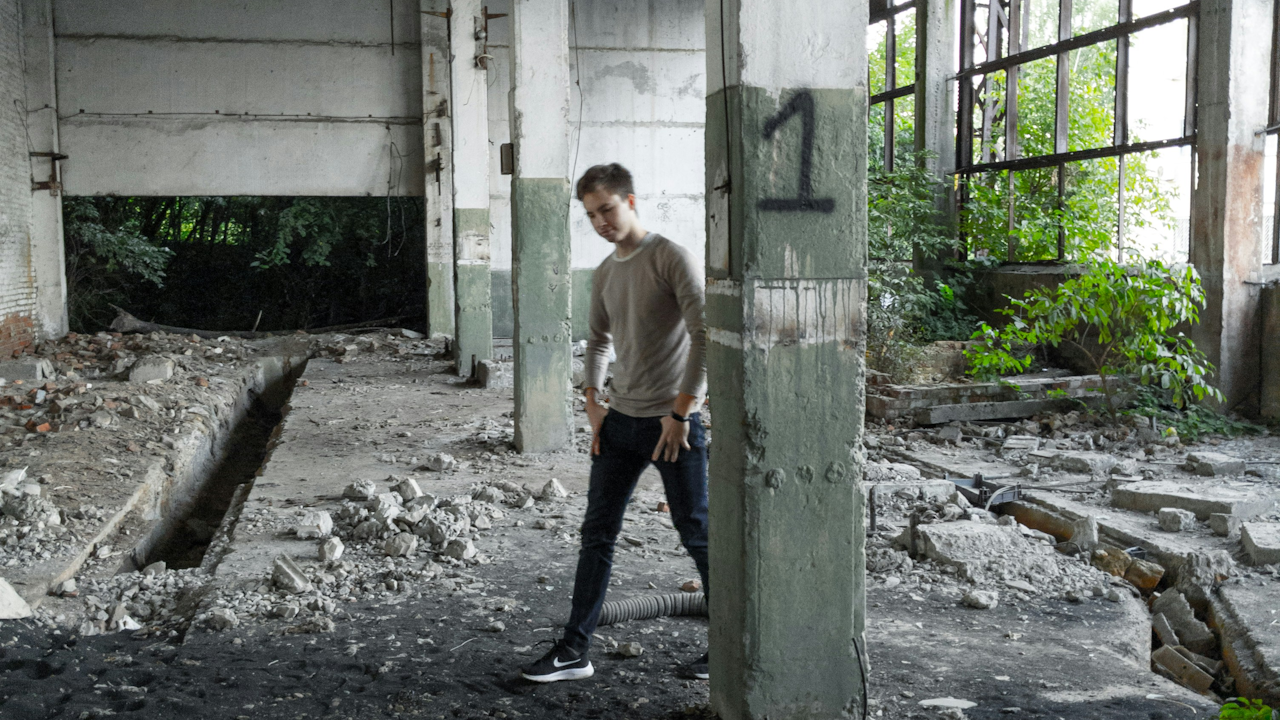
Urban exploration, commonly known as urbex, involves venturing into man-made structures that have been left behind by society. These sites include shuttered factories, decaying hospitals, derelict schools, forgotten warehouses, and overgrown amusement parks. Explorers enter these places not for destruction or theft but for the thrill of discovery, the chance to document history, and the quiet beauty found in decay. The activity combines elements of adventure travel, historical research, and artistic photography. Participants often describe it as a way to reconnect with the past while confronting the impermanence of human endeavors.
The practice has roots that stretch back further than many realize. In the late 19th century, curious individuals began documenting abandoned industrial sites in Europe and North America as cities underwent rapid modernization. Early accounts appear in travel journals and local newspapers, where writers described sneaking into old mills or railway tunnels. By the mid-20th century, the movement gained momentum with the decline of heavy industry in places like the Rust Belt of the United States and the post-war reconstruction zones of Europe. The 1970s and 1980s saw a surge in interest as photographers and writers captured the haunting emptiness of places once bustling with workers. Today, urbex thrives through online communities where enthusiasts share stories, tips, and images while adhering to informal codes of conduct.
What draws people to these forgotten spaces? For many, it begins with simple curiosity. An abandoned building stands as a time capsule, its rooms filled with remnants of daily life: faded calendars on walls, rusted machinery still in place, personal belongings scattered as if occupants left in haste. Explorers speak of an almost magnetic pull, a desire to witness what others have overlooked or deliberately avoided. There is an adrenaline component too. The risk of trespassing adds excitement, but seasoned participants emphasize that the real reward is emotional rather than physical. Standing in a silent operating theater of a long-closed asylum or walking through the echoing halls of a derelict power plant provides a profound sense of perspective. These places remind us that nothing built by humans lasts forever.
Urbex enthusiasts classify sites into several categories based on their original purpose. Industrial locations form one of the largest groups. Abandoned factories, textile mills, and steel plants offer vast interiors filled with heavy equipment that has not moved in decades. In the American Midwest, for instance, countless automotive assembly lines sit idle, their conveyor belts frozen mid-motion and windows coated in decades of grime. Institutional buildings provide another major draw. Former psychiatric hospitals, prisons, and orphanages carry particularly heavy atmospheres. These structures often feature peeling paint, barred windows, and layouts designed for control rather than comfort. Residential explorations include empty homes, apartment complexes, and entire ghost towns where families once lived. Transportation sites encompass disused railways, subway tunnels, and old airports, where explorers navigate tracks overgrown with vegetation or terminals with departure boards still displaying flights from years ago. Recreational locations, such as shuttered amusement parks or resorts, add a layer of surrealism with rusting roller coasters and faded murals depicting happy scenes now contradicted by the surrounding decay.
Preparation is essential before any exploration. Successful urbex requires research, planning, and respect for the environment. Enthusiasts begin by studying public records, old maps, and satellite imagery to locate potential sites. They check local histories for details about when and why a place was abandoned. This background knowledge helps avoid surprises and deepens the experience once inside. Gear lists are practical rather than extravagant. Sturdy boots protect against broken glass and uneven floors. High-powered flashlights or headlamps illuminate dark corridors where natural light never reaches. Respirators guard against mold, asbestos, or airborne dust common in older buildings. Cameras and tripods allow for careful documentation, while gloves and basic first-aid kits address minor injuries. Many explorers travel in small groups for safety, sharing knowledge of entry points and exit routes. Communication devices such as two-way radios prove useful in areas with poor cell service.
The moment of entry marks the true beginning of any urbex adventure. Explorers approach with caution, scanning for signs of recent activity or structural weakness. Once inside, the sensory experience shifts dramatically. Sounds become amplified: footsteps echo, wind whistles through broken panes, and distant creaks hint at settling foundations. Light filters through cracked ceilings or boarded windows, creating dramatic contrasts of shadow and illumination. Dust motes dance in beams, and the air carries a distinct scent of mildew, rust, and time. Rooms reveal layers of history. In an abandoned school, desks might still hold notebooks with unfinished assignments. In a former hospital, medical charts lie open on clipboards next to empty beds. Explorers move methodically, respecting the space by touching as little as possible and photographing without disturbing artifacts.
Certain locations have achieved legendary status within the urbex community. The remains of the Packard Automotive Plant in Detroit stand as one of the most iconic industrial ruins in North America. Once a sprawling complex that produced luxury cars, the facility now spans dozens of acres with collapsed roofs and flooded basements. Explorers who navigate its labyrinthine passages describe encountering entire assembly lines preserved under layers of debris. Another notable site is the Eastern State Penitentiary in Pennsylvania, a 19th-century prison designed with a radial layout that influenced correctional architecture worldwide. Its cellblocks, now open to the sky in places, offer a stark look at solitary confinement practices of the past. In Europe, the Beelitz-Heilstatten complex in Germany, a massive sanatorium built in the late 1800s, attracts visitors with its grand architecture and connections to historical figures. These sites, though varying in accessibility, share one common trait: they tell stories of ambition, failure, and the passage of time.
Safety remains a constant concern. Abandoned structures pose numerous hazards that demand vigilance. Floors can give way without warning, especially in buildings exposed to years of water damage or neglect. Ceilings may collapse, and staircases can crumble under weight. Environmental dangers include toxic substances such as lead paint, asbestos insulation, or chemical residues from industrial processes. Wildlife often claims these spaces; bats, rodents, and even larger animals can create unexpected encounters. Weather adds another variable. Rain can turn dry interiors into slippery hazards, while extreme temperatures affect both explorers and the stability of materials. Many participants stress the importance of physical fitness, situational awareness, and a willingness to turn back when conditions feel unsafe. Novices are encouraged to join experienced groups or begin with easily accessible sites before attempting more challenging locations.
Legal and ethical dimensions complicate the activity. Most urbex involves trespassing on private property, which carries potential consequences including fines, arrest, or civil liability. Property owners sometimes post guards or install surveillance, and law enforcement views unauthorized entry as a security risk. Some explorers mitigate this by seeking permission where possible or focusing on sites slated for demolition. Ethics extend beyond legality. The community promotes a strict leave-no-trace philosophy: take nothing but photographs, leave nothing but footprints. Vandalism or theft damages the sites and harms the reputation of all participants. Many argue that urbex serves a preservationist purpose by documenting places before they disappear entirely. Photographs and reports become historical records that might otherwise be lost when buildings are razed or renovated.
The online urbex community plays a vital role in sustaining the practice. Forums, social media groups, and dedicated websites allow enthusiasts to share experiences, warn about dangerous locations, and celebrate responsible exploration. These platforms foster mentorship, with veterans offering advice to newcomers on everything from navigation techniques to legal awareness. Annual gatherings and regional meetups provide opportunities for face-to-face discussions and collaborative trips. Yet the community also grapples with challenges. Increased popularity has led to more traffic at popular sites, sometimes resulting in greater damage or stricter enforcement. Balancing openness with the need for discretion remains an ongoing conversation.
Personal accounts from explorers reveal the deeper impact of the hobby. One participant described entering a long-abandoned theater where velvet curtains still hung in tatters and a grand piano sat untouched on stage. The experience evoked a mix of melancholy and wonder, prompting reflection on the lives once centered around that space. Another recounted navigating the flooded lower levels of an old brewery, where barrels floated like ghostly ships and the air smelled of fermented history. These stories highlight how urbex transcends mere adventure. It becomes a form of meditation on change, loss, and the quiet endurance of the built environment.
As cities evolve and industries shift, new sites emerge while old ones vanish. Urban renewal projects transform some locations into museums or mixed-use developments, preserving select elements while erasing others. Climate change and natural disasters accelerate decay in vulnerable areas, creating fresh opportunities for exploration alongside new risks. Technology influences the field too. Drones allow preliminary surveys of large complexes, and advanced mapping apps help chart safe routes. Yet the core of urbex remains human: the act of walking through silent halls, flashlight beam cutting through darkness, and the profound connection forged with places others have forgotten.
In the end, urban exploration offers more than adrenaline or striking images. It provides a lens through which to examine the rise and fall of human ambition. Each abandoned place holds lessons about economic forces, social priorities, and the inevitability of entropy. By stepping inside these structures, explorers do not merely visit the past; they engage with it directly. They bear witness to stories embedded in peeling wallpaper and rusted railings. In doing so, they remind us all that history is not confined to textbooks or museums. It lingers in the shadows of forgotten buildings, waiting for those curious enough to seek it out. The practice encourages a thoughtful appreciation for the spaces we create and eventually leave behind, fostering a deeper respect for both the past and the transient nature of the present.