

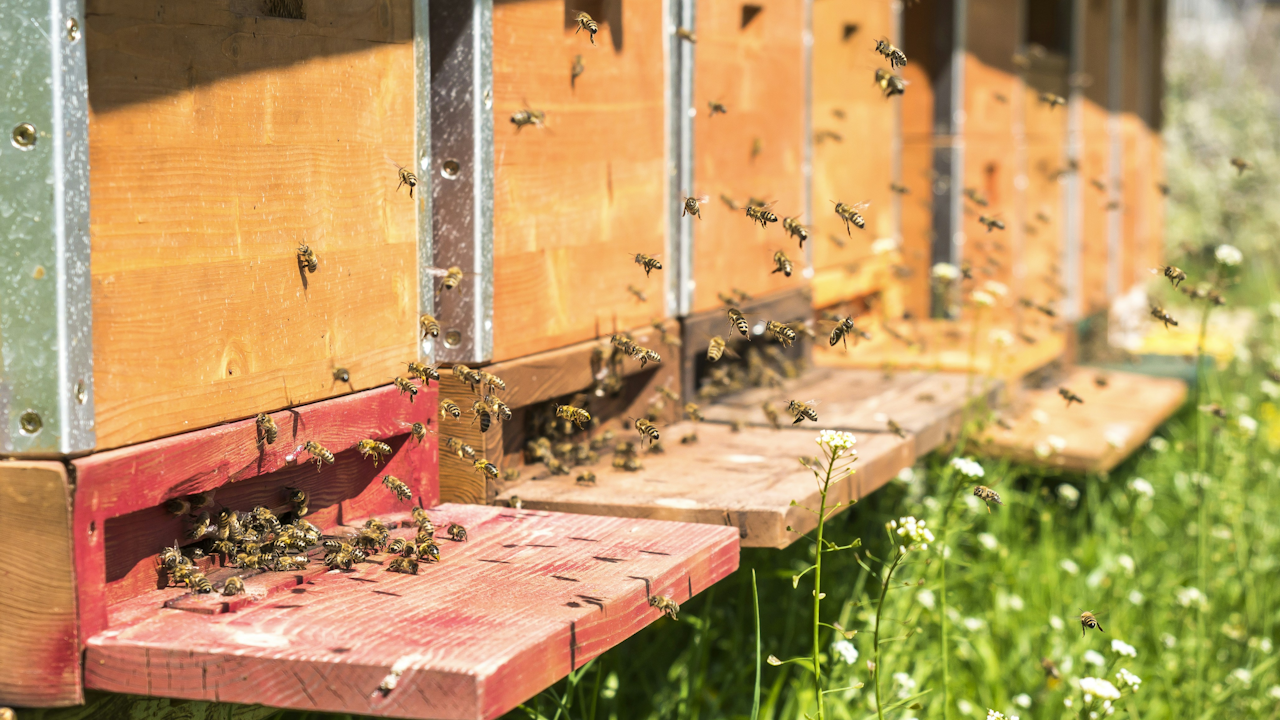
In bustling cities around the world, a quiet but powerful movement is underway. Rooftops, backyards, and even small balconies are becoming home to honeybee hives, as more people embrace urban beekeeping. This practice involves keeping managed colonies of honeybees in metropolitan areas, and it offers city residents a hands-on way to support pollinators that are vital to our food systems and ecosystems. Far from being a mere hobby, urban beekeeping helps sustain bee populations at a time when they face unprecedented threats. By installing hives at home, individuals contribute to local pollination, produce their own honey, and reconnect with nature in concrete environments. The result is a growing network of urban apiaries that bolsters biodiversity right where most people live.
The urgency of this effort becomes clear when examining the challenges pollinators confront today. Honeybees and other insects that ferry pollen from flower to flower have suffered steep declines in recent years. In the United States alone, beekeepers reported an average annual colony loss of 55.6 percent between April 2024 and April 2025, marking the highest rate since surveys began in 2010. Commercial operations fared even worse, losing an average of 62 percent of their colonies between June 2024 and March 2025, which amounted to roughly 1.6 million colonies vanishing. Winter losses reached 40.2 percent in 2024-2025, far above historical averages, with varroa mites emerging as the leading stressor across all quarters. These figures carry serious consequences. Honeybees pollinate more than 85 different crops, supporting an agricultural sector valued at over 18 billion dollars annually. Without them, yields for almonds, apples, blueberries, and many other foods would plummet, driving up prices and threatening food security. Habitat loss, pesticide exposure, climate shifts, and diseases all play roles in these losses, but the data underscore a simple truth: pollinators need help, and urban spaces can provide it.
Urban beekeeping steps into this gap by turning cities into supportive habitats. Unlike rural or suburban settings dominated by monoculture farms and heavy chemical use, cities often feature a surprising variety of flowering plants. Parks, community gardens, street trees, median strips, and backyard plots create a diverse buffet of nectar and pollen sources. Research from urban beekeeping operations shows that city bees pollinate eight times more plant species than their suburban counterparts. They also enjoy higher winter survival rates and produce 56 percent more honey on average. Lower pesticide levels in many urban zones further aid colony health. By maintaining hives at home, beekeepers not only keep honeybees alive but also enhance pollination for local fruits, vegetables, and flowers. This activity supports broader ecosystems because healthy honeybee colonies act as indicator species, revealing insights into environmental quality that scientists can study.
Beyond the ecological gains, urban beekeeping delivers personal and community rewards. It fosters a deeper connection to the natural world for people who might otherwise feel disconnected in dense cities. Tending hives encourages mindfulness, physical activity through seasonal inspections, and a sense of accomplishment when harvesting honey. Local honey carries unique flavors from neighborhood flora and may offer mild benefits for seasonal allergies by exposing the immune system to trace local pollens. Educationally, hives become living classrooms for families, schools, and neighbors, sparking conversations about sustainability. Many urban beekeepers join clubs or mentorship programs, building social ties while sharing knowledge. In an era of environmental anxiety, this practice empowers individuals to take direct action rather than simply hoping for change.
Starting urban beekeeping at home requires thoughtful preparation, but it is accessible to beginners who follow a structured approach. The first step is research. Aspiring beekeepers should learn basic bee biology, including the roles of the queen, workers, and drones, as well as hive dynamics. Online resources, books, and local extension offices provide solid foundations. Next, confirm local legality. Many cities have updated ordinances in the past decade to permit beekeeping, but rules vary widely. Some municipalities limit the number of hives, require permits, or mandate setbacks from property lines and public spaces. Checking zoning laws, homeowner association guidelines, and any registration requirements prevents future headaches. In places where beekeeping was once restricted, such as New York City before 2010 or Boston before 2013, legalization has paved the way for widespread adoption.
After verifying rules, assess personal readiness. A sting allergy test from a doctor is essential, as even gentle honeybees can sting if provoked. Then select a suitable location. Hives need morning sun, afternoon shade in hot climates, and protection from strong winds. A flat, accessible spot with at least six feet of clear space in front of the entrance allows bees to fly in and out without disturbing people. Rooftops work well in apartments, while backyards suit houses. Consider water sources, such as a shallow birdbath with pebbles for landing, and plant bee-friendly flowers like lavender, sunflowers, or native wildflowers nearby to supplement forage.
Equipment comes next. A standard Langstroth hive, consisting of stacked wooden boxes with removable frames, is popular for its ease of use and parts availability. Beginners often start with two hives to compare colony progress and have backup resources if one struggles. Basic tools include a veil and hat for face protection, gloves, a smoker to calm bees during inspections, a hive tool for prying frames, and a bee brush for gentle removal of insects. Protective clothing and these items together cost several hundred dollars initially, but quality gear lasts years. Bees themselves arrive as packages of worker bees with a caged queen or as nucleus colonies, which include frames of brood and stores for faster starts. Reputable suppliers or local clubs ensure healthy stock, and many recommend gentle strains such as Italian or Carniolan bees for urban settings.
Once hives are assembled and populated, ongoing care follows seasonal rhythms. In spring, colonies expand rapidly as flowers bloom, requiring regular inspections every seven to ten days to check for queen presence, brood patterns, and pests. Summer brings peak activity, with attention to honey supers for surplus storage and swarm prevention through techniques like splitting colonies or adding space. Fall focuses on reducing hive volume, treating for varroa mites if needed, and ensuring ample stores for winter. Winter demands minimal disturbance, with occasional checks for wind damage or moisture buildup. Harvesting honey occurs in late summer or early fall, after confirming the colony has enough reserves left. Throughout the year, record-keeping tracks colony health, which helps refine practices over time.
Urban environments introduce specific hurdles, but solutions exist for each. Space limitations favor compact hive designs or elevated placements on rooftops with screens to direct bee flight upward and away from pedestrian paths. Neighbor relations matter greatly in close quarters, so proactive communication helps. Sharing jars of honey, explaining the non-aggressive nature of honeybees, and inviting questions can turn potential skeptics into supporters. Regulations often address these concerns through required signage or distance rules. Forage shortages, a risk if floral diversity is low, are mitigated by community planting initiatives or personal pollinator gardens. Swarm control becomes critical in populated areas to avoid unwanted bee clusters, and beekeepers learn to monitor for queen cells and act early. Disease management relies on integrated pest approaches rather than heavy chemicals, preserving colony resilience while protecting nearby native bees.
Despite these challenges, urban beekeeping has produced inspiring success stories across continents. In Paris, experimental hives placed on the roof of the Opera Garnier in the 1980s sparked a citywide trend that now includes thousands of colonies. The movement spread to North America, where companies like Best Bees maintain hundreds of hives in major cities and have documented superior urban bee health. In Detroit, a nonprofit called Detroit Hives transformed vacant lots into productive apiaries and vegetable gardens, addressing both pollinator declines and urban food deserts. Downtown Houston hosts over 40 hives on rooftops and terraces, tended by professional beekeepers who report thriving colonies amid skyscrapers. Bee Downtown in Durham, North Carolina, began as a small startup in 2015 and now manages urban hives that support local agriculture while educating residents. In Plymouth, England, the Pollenize project established a network of apiaries at landmarks, promoting continuous blooms and community involvement. These examples demonstrate that with proper management, city hives not only survive but flourish, creating ripple effects for biodiversity.
Best practices enhance the effectiveness of home-based urban beekeeping. Start small and scale gradually to build confidence. Join a local beekeeping association for hands-on mentorship, which accelerates learning and provides access to shared equipment. Focus on habitat creation by prioritizing native plants that bloom across seasons, ensuring food availability year-round. Monitor for varroa mites using standardized counts and apply treatments only when thresholds are exceeded to avoid resistance. Participate in citizen science programs that collect hive data, contributing to larger studies on pollinator trends. Above all, view beekeeping as stewardship rather than extraction: prioritize colony health over maximum honey yield. Many urban beekeepers also advocate for reduced pesticide use in their neighborhoods, amplifying their impact beyond the hive.
The broader significance of urban beekeeping lies in its ability to bridge human activity and ecological restoration. Managed honeybees supplement the work of native pollinators, which face their own pressures from development and climate change. While some experts note that dense honeybee populations could theoretically compete for resources with wild bees in limited urban forage zones, the consensus from long-term observations is that diverse city landscapes and proactive planting minimize this risk. Urban beekeeping also raises public awareness, shifting perceptions from fear of stings to appreciation of bees as essential partners. In doing so, it cultivates a culture of conservation where everyday actions support global food webs.
As pollinator losses continue to mount, with 2025 standing out as a particularly devastating year, the role of home beekeepers grows more important. Each backyard hive represents a small but meaningful stand against decline, pollinating neighborhood blooms and sustaining colonies that might otherwise perish. Urban beekeeping proves that saving pollinators does not require vast rural acreage or scientific credentials. It invites anyone with a patch of space and a commitment to learning to participate. By embracing this practice, city dwellers transform their homes into sanctuaries for bees, ensuring that the buzz of life persists amid the hum of urban existence. The future of pollination may well depend on these local efforts, one hive at a time.