

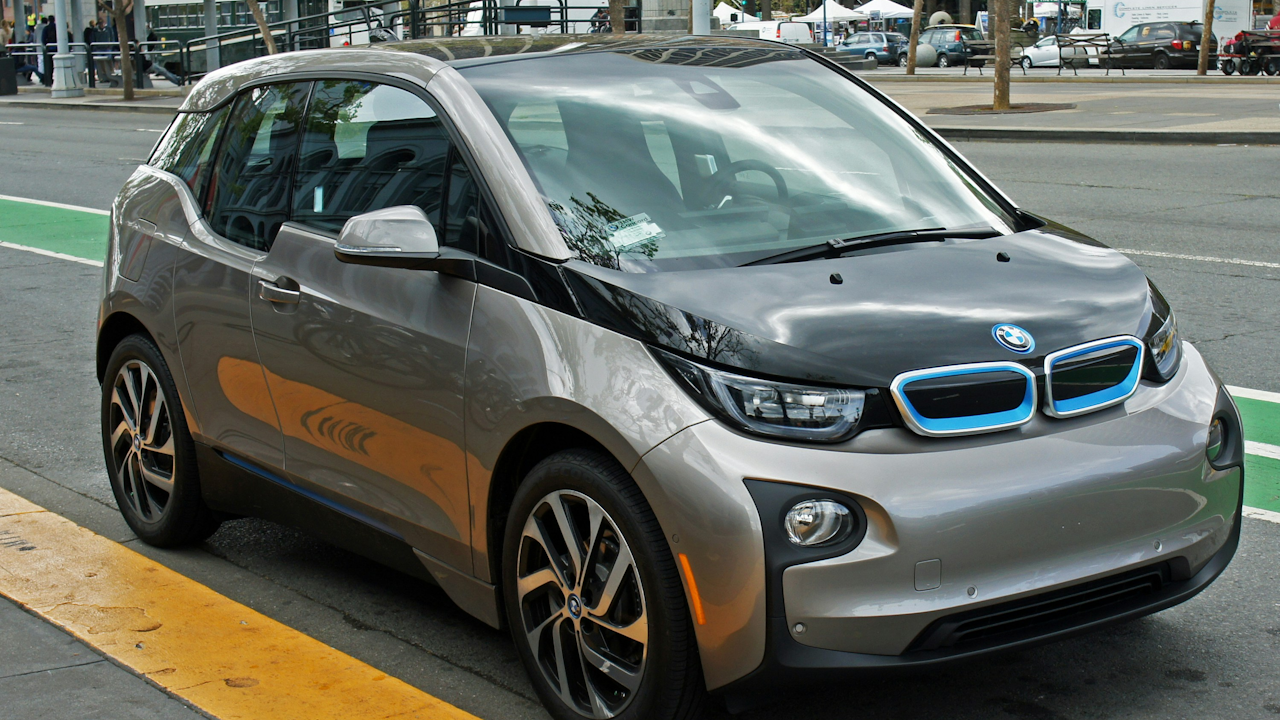
Car sharing apps represent a significant shift in how people access transportation in cities around the world. As urban populations grow and traffic congestion worsens, these platforms offer an alternative to traditional car ownership. They allow users to rent vehicles on demand through smartphone applications for short periods, often by the minute, hour, or day. The question remains whether they truly point toward the future of urban mobility or serve as a transitional tool alongside other options like public transit, cycling, and ride hailing.
Understanding Car Sharing Models
Car sharing comes in several forms. Station based services require users to pick up and return vehicles at designated spots, such as parking lots or dedicated bays. This model promotes predictability and integrates well with urban planning. Free floating services let drivers locate and leave cars anywhere within a service area using GPS tracking. Peer to peer platforms connect car owners with renters, turning personal vehicles into shared assets during idle times.
Popular examples include Zipcar for station based access, Turo and Getaround for peer to peer rentals, and enterprise backed options like Enterprise CarShare. Ride hailing giants such as Uber and Lyft have expanded into related services, sometimes blending instant rides with longer term vehicle access. These apps rely on advanced technology including real time availability maps, digital keys, insurance integration, and user ratings to build trust.
Market Growth and Adoption Trends
The global car sharing market has shown strong momentum. Estimates place its value around 9 billion to 17 billion US dollars in 2025, with projections reaching 20 billion to 35 billion dollars by the early 2030s at compound annual growth rates between 7 and 11 percent or higher in some segments. Peer to peer segments grow even faster, sometimes exceeding 20 percent annually.
Urbanization drives much of this expansion. Young professionals, millennials, and residents in dense cities like New York, San Francisco, and European capitals adopt car sharing because they drive infrequently and prefer avoiding the hassles of ownership. Surveys indicate that men in the 25 to 34 age range with higher incomes form a large user base. In North America, high smartphone penetration and early rideshare adoption accelerate growth.
Broader shared mobility, including ride hailing and bike sharing, forms a much larger ecosystem valued at hundreds of billions and growing rapidly. Car sharing fits into this as a flexible middle ground between owning a vehicle and summoning a driver.
Economic Advantages for Users
For many city dwellers, car sharing delivers clear financial benefits. Traditional ownership involves depreciation, insurance, maintenance, fuel, parking, and registration fees that can total 700 to 1,600 dollars or more per month depending on location and vehicle type. Low mileage drivers, especially those covering fewer than 10,000 miles per year, often save substantially by paying only for actual use.
Apps eliminate upfront purchase costs and provide access to a variety of vehicles suited to specific needs, from compact cars for errands to larger options for weekend trips. No maintenance responsibilities fall on the user, and insurance is typically bundled into the rental fee. Peer to peer models can even generate income for owners who list their cars. Hybrid users combining car sharing with public transit or walking further optimize expenses.
Convenience and Lifestyle Fit
Modern apps make the process seamless. Users browse nearby vehicles, reserve instantly, unlock via smartphone, and drive away. Round trip or one way options add flexibility. Availability around the clock suits varied schedules, and features like built in navigation or electric vehicle charging locators enhance the experience.
This model aligns with changing attitudes toward ownership. Many urban residents prioritize experiences and access over possession. Car sharing supports multimodal lifestyles where people walk, bike, take trains, or share rides as needed rather than relying on a single personal vehicle sitting idle most of the time.
Environmental and Urban Planning Impacts
Car sharing can reduce the total number of vehicles needed in a city. Studies suggest that one shared car can replace up to 10 to 15 privately owned ones because of higher utilization rates. Fewer cars mean less demand for parking spaces, potentially freeing land for housing, parks, or pedestrian areas.
Many fleets now emphasize electric vehicles, lowering emissions per trip. When users shift from personal cars to shared options, overall vehicle miles traveled may decrease for some segments. Pooled ride services within these platforms further amplify efficiency by carrying multiple passengers in one vehicle.
However, results vary. In some cities, ride hailing components have increased congestion by adding empty miles as drivers search for passengers. Substitution effects matter. If car sharing draws riders away from buses or trains, net environmental gains shrink. Successful integration with public policy, such as dedicated lanes or incentives for low emission fleets, maximizes positive outcomes.
Challenges and Limitations
Despite the promise, car sharing faces hurdles. Availability can be an issue during peak hours or in less dense neighborhoods. Users must plan trips in advance more than with personal cars, and surge pricing or distance fees sometimes erode savings for frequent or long distance travel.
Insurance complexities, especially in peer to peer models, raise concerns about liability and vehicle damage. Regulatory fragmentation across cities and states creates inconsistent rules on operations, parking privileges, and data privacy. Safety perceptions, vehicle cleanliness, and the digital divide for non smartphone users also limit broader adoption.
High mileage drivers or families often find ownership more practical and cost effective. Rural or suburban areas with limited service coverage see slower uptake compared to dense urban cores.
Technological Evolution and Integration
The future of car sharing links closely with emerging technologies. Electrification reduces operating costs and appeals to eco conscious users. Artificial intelligence optimizes fleet placement, predicts demand, and streamlines matching. Mobility as a service platforms aim to combine car sharing with transit, bikes, scooters, and ride hailing into single apps for seamless planning and payment.
Autonomous vehicles could transform the sector by removing the need for users to drive. Robotaxis and self driving shared fleets promise even higher utilization, lower labor costs, and 24/7 availability. Regulations are evolving to address safety, liability, and data security, though patchwork rules across regions slow full deployment.
Partnerships between automakers, tech firms, and cities will shape outcomes. Vehicle to grid technology might allow shared electric cars to support energy networks during downtime.
Broader Societal Considerations
Car sharing influences equity and access. It can provide affordable mobility to those unable to afford ownership while reducing pressure on low income households burdened by car related expenses. Yet without inclusive policies, it risks serving primarily affluent urban professionals and leaving gaps in underserved communities.
Job impacts also arise. While it disrupts traditional auto sales and maintenance sectors, it creates opportunities in fleet management, software development, and charging infrastructure. Long term shifts toward autonomy raise questions about driver employment that policymakers must address thoughtfully.
Conclusion: A Piece of the Mobility Puzzle
Car sharing apps offer a compelling vision for more efficient, sustainable, and flexible urban transportation. They reduce the need for personal vehicles in many scenarios, cut costs for occasional drivers, and support environmental goals when paired with electric fleets and smart policies. Market growth indicates strong consumer interest and investor confidence.
They are not a complete replacement for all forms of mobility. Public transit remains essential for high volume routes, and personal vehicles suit specific needs in less connected areas. The true future likely involves integrated systems where car sharing complements rather than competes with other options. Success depends on continued innovation, supportive regulations, and user adoption that prioritizes efficiency over convenience alone.
As cities grapple with population growth, climate targets, and livability, car sharing stands as a practical step forward. Whether it fully defines the future of urban mobility will hinge on how well it evolves alongside autonomous technology, electrification, and holistic urban planning. For now, it provides a valuable tool that encourages rethinking our relationship with cars in crowded metropolitan environments.